Why Australia’s offshore wind challenge could be its greatest advantage
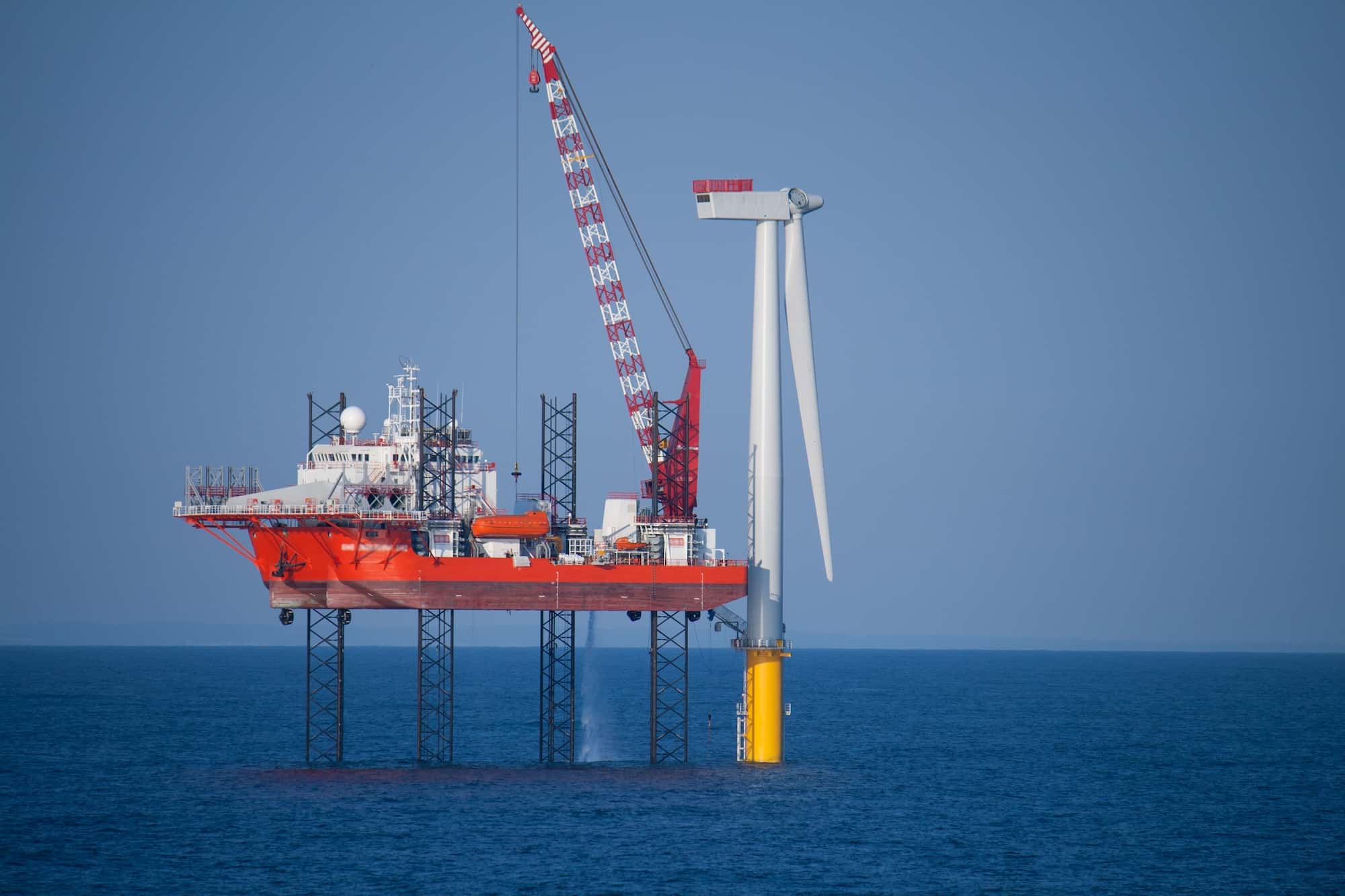
The article observes that Australia's offshore wind industry is nascent, meaning it can learn from mature markets elsewhere and avoid repeating their mistakes. It frames this as both a challenge and an opportunity, though the piece offers no specific detail on what those mistakes were, what learning might occur, or what the cost and timeline implications are.
Where this fits
This is a cost and sovereignty story dressed as opportunity. Australia is entering offshore wind late, which means it will import both technology and supply-chain dependence rather than build sovereign capability. The "clean slate" framing hides the real constraint: Australia must buy offshore platforms, foundations, turbines and installation vessels from established makers, nearly all non-Australian. Learning from others' mistakes does not make the grid cheaper or more reliable; it makes Australia a price-taker in a market dominated by European and Asian manufacturers. The deeper issue is timing. Offshore wind takes a decade from consent to grid connection. Grid reliability does not wait for industrial policy to work.
What it means
Australia is betting on offshore wind to replace retiring coal plants, but the industry does not yet exist here and cannot be stood up quickly enough to fill the gap on its own. This pushes the grid toward more gas firming in the transition years, and toward greater dependence on China-made batteries and solar panels to fill supply gaps. A firm, dispatchable alternative, nuclear, remains banned by law, foreclosing the one generation source that could replace coal on a comparable timeline without weather dependence or gas backup. Australia's "clean slate" in offshore wind is not an advantage. It is a lost decade while the grid waits for an industry to be invented, and while firmer, faster options are ruled out.
Go deeper on the numbers
The bigger picture
Energy security is national security. This connects to the wider case at Unprepared: Australia's dependence on a strategic rival, and how ready it is for the world that is coming.
Reported by Energy Magazine. Read the original report ↗
Related coverage
Construction “ramps up” at state’s biggest solar-battery hybrid as deal puts financial close within reach
Shrinking subsidies haven’t stifled the battery boom - AFR
FTC teams with Australian companies to explore local supply chain opportunities
Real cost of charging an EV from surplus solar
The numbers, as they move
A short, sourced brief when the figures shift: a transmission blow-out, a supply-chain move, a milestone.