Australian researchers seek pathway to ensure EV batteries get a second life supporting the grid
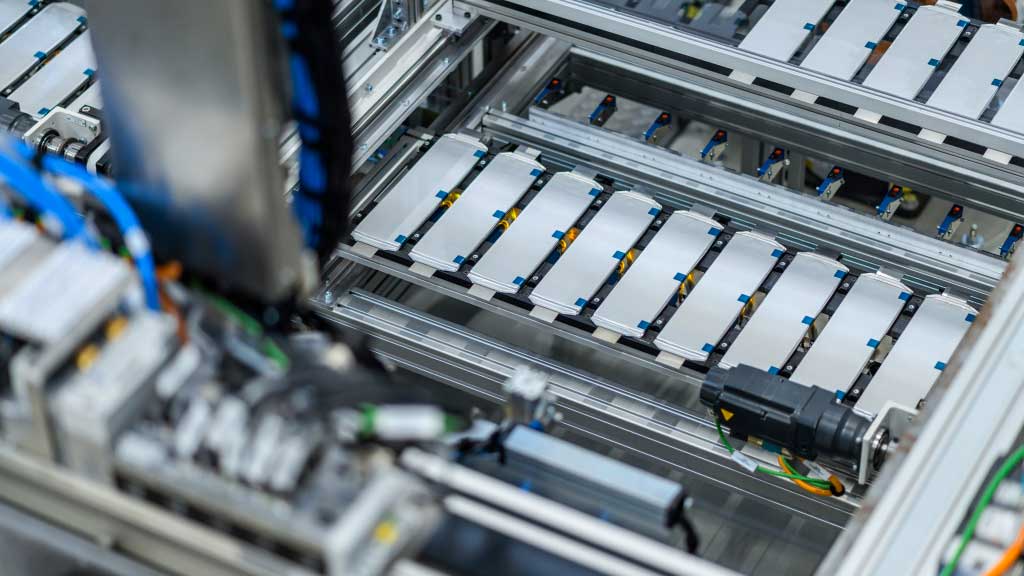
Flinders University researchers are partnering with Mitsubishi Motors Australia and ResourceCo to develop a process for repurposing end-of-life EV batteries as stationary storage for homes, farms and remote communities. The project, funded by South Australia's Green Industries SA grant and showcased this week, aims to create an automated manufacturing pathway that integrates with battery management systems and demonstrates prototypes in real-world applications. The work addresses the coming wave of battery replacements as EV uptake accelerates, and is part of a broader push to position South Australia as a lithium-ion battery reuse and recycling hub.
Where this fits
This is a materials-sovereignty story dressed as recycling. Second-life battery storage is genuinely useful for remote and off-grid applications. But the premise depends on a supply chain already dominated by China: lithium-ion cells are manufactured there, and so are the battery management systems the project must integrate with. A domestic reuse pathway only extends the problem backward. Australia is building a grid that will need hundreds of gigawatt-hours of storage by 2050, and the route chosen, via EV batteries and stationary lithium-ion packs, locks in strategic dependence on Chinese supply chains for the underlying commodity and the electronics that control it.
What it means
Second-life batteries are a marginal gain on a structural problem. They improve the economics of battery ownership and reduce waste, which is net positive. But they do not solve the core issue: Australia's energy security now rests on securing and managing lithium-ion supply from a geopolitical rival. A firm domestic power source, whether coal with carbon capture or nuclear, would need neither the mineral volumes nor the China-tied supply chain. Reuse is good engineering; it is not a substitute for fuel diversity.
Go deeper on the numbers
The bigger picture
Energy security is national security. This connects to the wider case at Unprepared: Australia's dependence on a strategic rival, and how ready it is for the world that is coming.
Reported by The Driven. Read the original report ↗
Related coverage
Lithium demand from storage expected to slow to 5% annual growth
Helcro Solar on What Happens to Old Panels as Australia Moves Toward Mandatory Solar Recycling - Medianet News Hub
Australia's First Facility to Boost Critical Minerals Sector - Mirage News
New Platform Examines Australia's Critical Minerals Future - Mirage News
The numbers, as they move
A short, sourced brief when the figures shift: a transmission blow-out, a supply-chain move, a milestone.