$3 million solar and battery microgrid study to support remote NSW communities
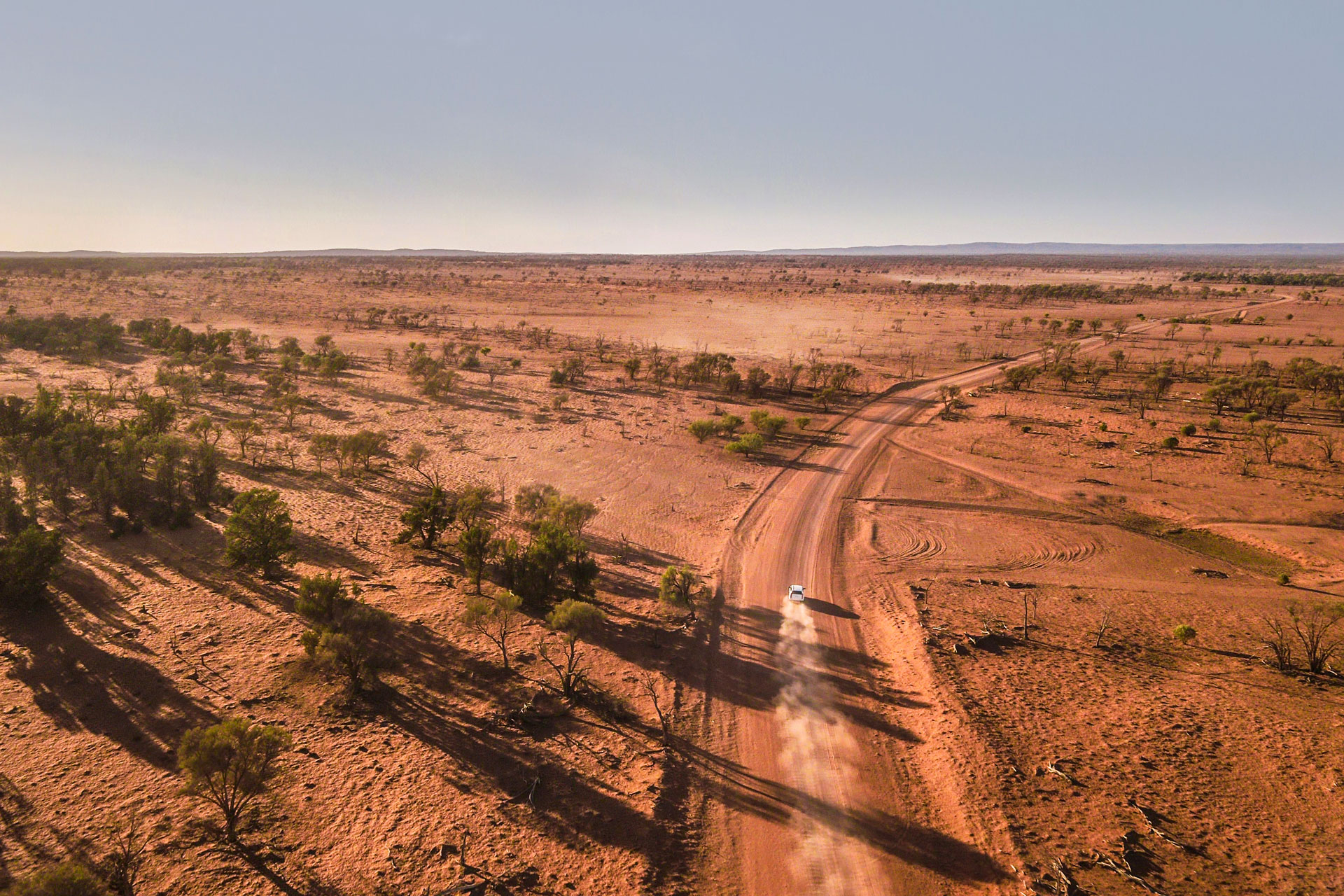
Four remote communities in Far West NSW, White Cliffs, Tibooburra, Milparinka and Packsaddle, are the subject of a $3 million feasibility study into solar and battery microgrids. The study follows a severe storm in October 2024 that collapsed transmission towers and caused widespread outages, prompting a parliamentary enquiry. Essential Energy and the NSW government are investigating whether local solar generation and battery storage can replace or supplement the region's existing diesel-backed power systems. The communities are extremely remote, between 1,042 and 1,473 kilometres from Sydney, making them vulnerable to extreme weather and supply-chain disruption.
Where this fits
This is a reliability story dressed as a resilience story. The Far West communities illustrate the real-world cost of grid fragility in remote regions: when weather takes down long transmission lines, diesel backup becomes essential, yet the study assumes solar-plus-batteries alone can solve it. Microgrids are valuable where transmission is unreliable, but the study does not disclose how many days per year cloudy or cool weather will leave these communities short of power, nor what firm capacity, gas, diesel, or the alternative they are not considering, small modular nuclear, will be needed to guarantee supply. The battery storage budget and duration are not stated.
What it means
Australia's remotest communities deserve reliable power. A solar-battery microgrid that works nine months a year but fails in winter or during extended cloud cover is not a solution, it is a delay before the next storm-driven blackout. The honest question is whether batteries alone can firm these systems, and if not, whether the governance framework allows the only energy-dense alternatives: gas, diesel, or nuclear. The study will likely reveal the cost of the battery bank required; if that cost is high, it will demonstrate why remote grids cannot run on weather-dependent power without either oversizing storage (capital-intensive) or accepting firm backup (which the renewable-only path resists).
Go deeper on the numbers
The bigger picture
Energy security is national security. This connects to the wider case at Unprepared: Australia's dependence on a strategic rival, and how ready it is for the world that is coming.
Reported by PV Magazine Australia. Read the original report ↗
Related coverage
Big battery durations are headed to double figures, and their chemistries are changing – again
Does Snowy 2.0 still have a place in a world of batteries? - ABC News & Headlines – Australian Broadcasting Corporation
Queensland energy plan assumes zero data centre demand - AFR
The power cable that could make or break Victoria - AFR
The numbers, as they move
A short, sourced brief when the figures shift: a transmission blow-out, a supply-chain move, a milestone.