Global wind giant expects lower costs from new turbine equipped with extra-long blades
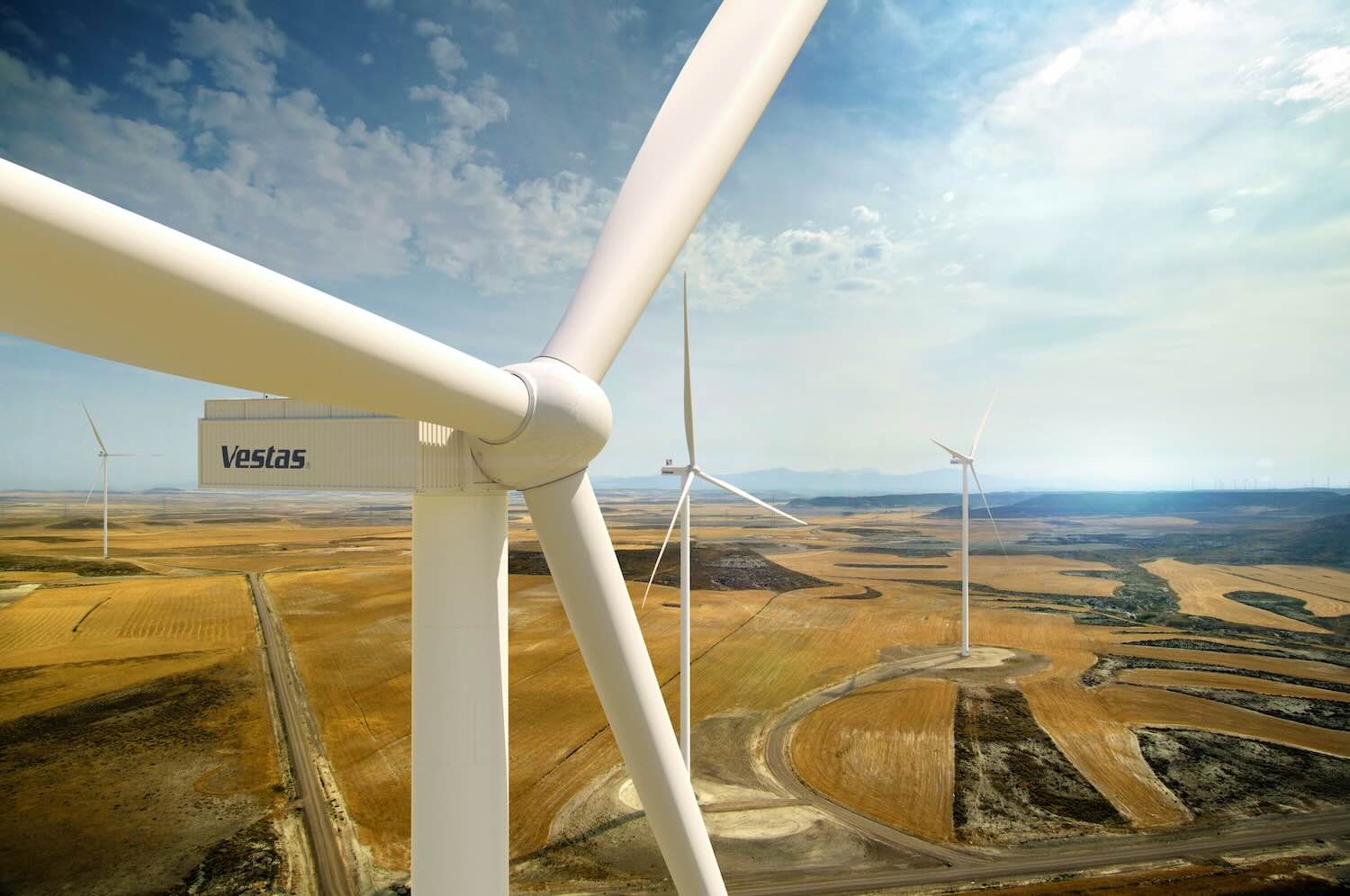
Vestas has unveiled a new offshore wind turbine, the V182-7.2 MW, with 89-metre blades three metres longer than its current model. The company claims the larger rotor will deliver up to 6 per cent higher annual energy output and up to 3 per cent lower levelised cost of energy (LCOE) for Australian projects, with particular gains in low and medium wind speed conditions where wholesale prices are typically higher. The announcement comes as the Australian wind industry emerges from a multi-year investment drought marked by rising equipment costs, supply chain disruptions, labour cost inflation and higher capital costs.
Where this fits
This is a cost-per-megawatt-hour win, but it masks rather than solves the deeper reliability problem. Longer blades extract more power from weak wind, which sounds like a materials and engineering solution to a weather problem. But Australian wind remains weather-dependent: a 6 per cent output gain does not change the requirement for firm dispatchable backup when wind output falls. The gain is real, yet it sits within the wider system cost of integrating variable generation. Australia still needs gas peaking capacity, transmission overbuild to move wind from the windiest regions, and battery storage to smooth volatility across hours. Those costs scale with wind penetration, not with the efficiency of individual turbines.
What it means
Vestas is signalling confidence in Australian wind deployment and rightly wants to compete on efficiency gains. The problem is that efficiency gains in renewables do not reduce the system-level cost burden of weather dependency. The wind industry is emerging from drought partly because energy policy has closed firm alternatives, especially nuclear, which offers reliable output with identical lifecycle emissions to wind and a fraction of the material throughput per unit of firm capacity delivered.
By the numbers
at ~A$2000–3200/kW installed. Source: CSIRO GenCost 2024-25. Indicative.
at a ~38% capacity factor, and only when the wind blows, so it still needs firming.
enough for 9–21 TWh a year of firm, always-on power, generating for ~60 years. Source: CSIRO GenCost 2024-25 (A$8.5–13.2bn/GW), IAEA capacity factor.
Figures are indicative conversions from the article's stated quantity using published cost, material and capacity factors (CSIRO GenCost, BNEF, IEA, IAEA). Ranges, not precise forecasts.
Go deeper on the numbers
The bigger picture
Energy security is national security. This connects to the wider case at Unprepared: Australia's dependence on a strategic rival, and how ready it is for the world that is coming.
Reported by RenewEconomy. Read the original report ↗
Related coverage
Snowy 2.0: A monument to this nation’s energy policy hubris - The Australian
Gas reserve ‘could blow away $330bn’ - The Australian
It might not feel like it, but our power is among the world’s cheapest - AFR
First new steel mill in Australia in 35 years to be the first to be powered by 100 per cent renewables - Renew Economy
The numbers, as they move
A short, sourced brief when the figures shift: a transmission blow-out, a supply-chain move, a milestone.