Novel PV recycling method removes EVA at 9 grams per second
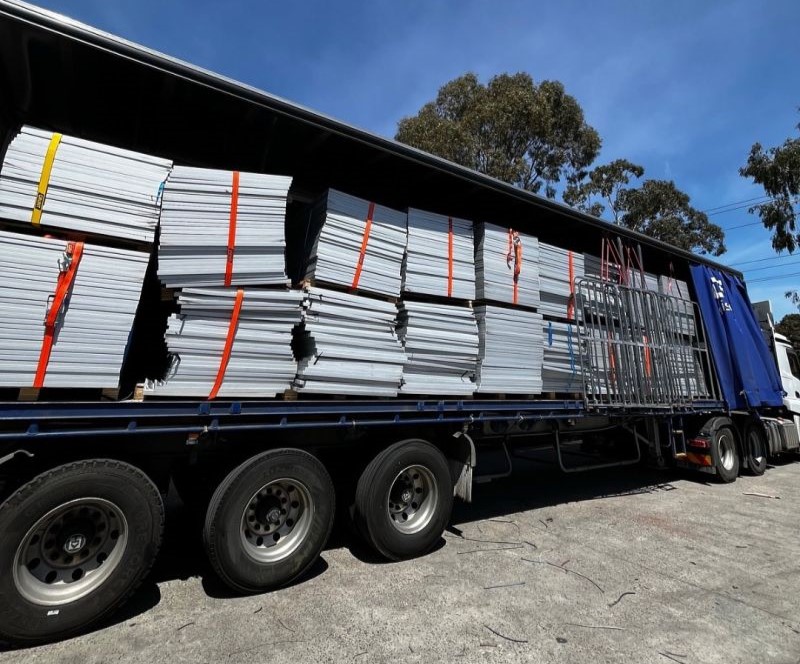
Chinese researchers have developed a mechanical polishing method to recover ethylene-vinyl acetate (EVA) encapsulant from decommissioned solar panels. The process uses preheating and computer-controlled polishing to strip the EVA layer at 9 grams per second, achieving a 99% recovery rate while preserving the silicon wafers underneath. Testing covered temperatures from 150°C to 250°C and found optimal results at 200°C with a 1000 rpm polishing head. The team validated the approach using spectroscopy and microscopy to confirm the recovered EVA's chemical integrity.
Where this fits
This addresses one part of solar's end-of-life material problem, but only one. EVA is one encapsulant layer; the real cost and sovereignty issue lies downstream: recovered EVA still requires reprocessing, and the entire solar supply chain, panels, inverters, batteries, processed minerals, remains China-owned. A recycling breakthrough for one material does not change the fact that Australia is building a renewables grid whose fabrication, refining, and disposal loops run through Chinese factories powered by coal. This also does not shorten the payback time for replacing failed modules or address the mounting volume of panels reaching end-of-life faster than recycling capacity can absorb them.
What it means
Recycling efficiency matters, but it is not a solution to the materials dependency or supply-chain sovereignty problem. Australia will still import finished solar panels and batteries, still depend on China for wafer production and cell manufacturing, and still accumulate waste streams that require Chinese processing to close. Firm dispatchable power, whether gas, coal, or nuclear, generates no end-of-life encapsulant recovery challenge. Nuclear fuel is used once and disposed of; no mining recycling loop, no China-dependent material recovery, no volume accumulation of failed hardware.
Go deeper on the numbers
The bigger picture
Energy security is national security. This connects to the wider case at Unprepared: Australia's dependence on a strategic rival, and how ready it is for the world that is coming.
Reported by PV Magazine (intl). Read the original report ↗
Related coverage
Lithium demand from storage expected to slow to 5% annual growth
Helcro Solar on What Happens to Old Panels as Australia Moves Toward Mandatory Solar Recycling - Medianet News Hub
Australia's First Facility to Boost Critical Minerals Sector - Mirage News
New Platform Examines Australia's Critical Minerals Future - Mirage News
The numbers, as they move
A short, sourced brief when the figures shift: a transmission blow-out, a supply-chain move, a milestone.