Some solar panels are only 2 years old when they’re discarded. PV expert says retirement fee could fix this
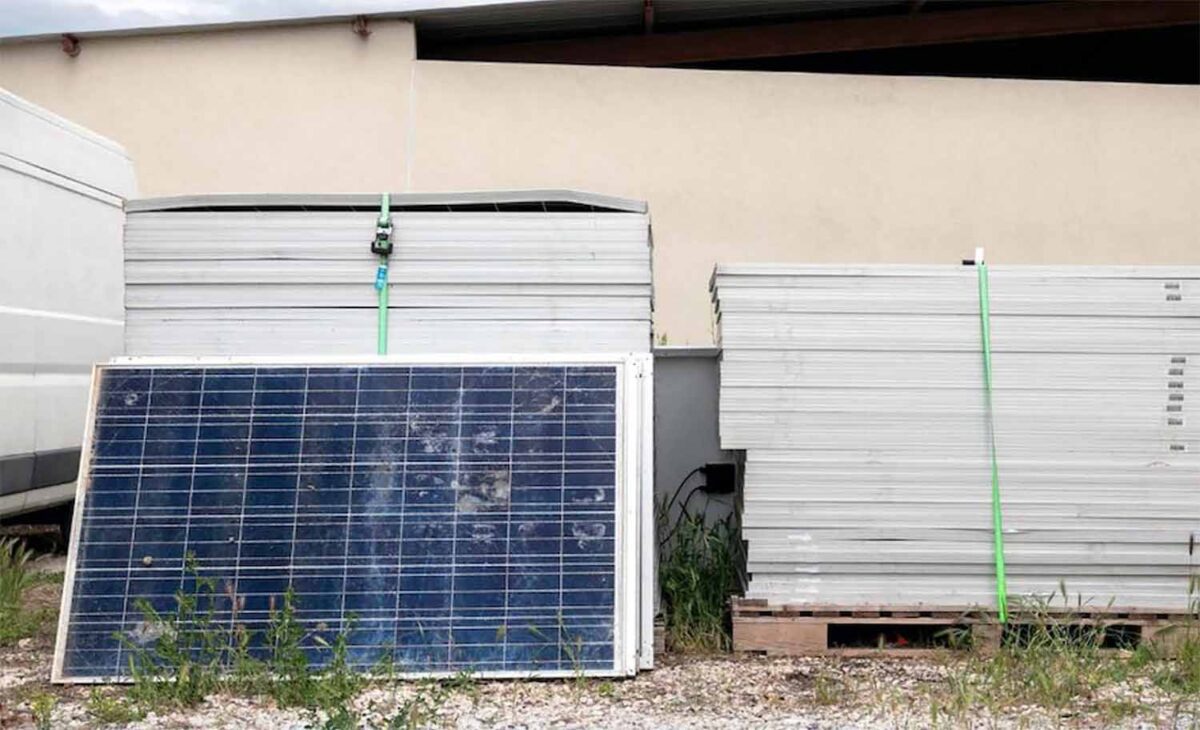
A federal Parliamentary Inquiry into solar panel recycling has heard evidence that perfectly functional residential panels are being discarded at two years old. Dr Rong Deng from UNSW told the committee that a mandatory national stewardship scheme is needed, and proposed an end-of-life retirement fee charged to householders at the point panels are removed, rather than the NSW government's preferred model of charging retailers and installers upfront. A $25.7 million federal pilot program has been delayed by legal challenge, leaving the inquiry and state-based efforts as the main near-term avenue for establishing mandatory recycling rules.
Where this fits
This is a materials and sovereignty story. Australia's rapid solar deployment has created a waste stream of panels that embeds both valuable materials and embodied carbon from their manufacture. The waste arises because the payback incentive structure rewards panel replacement regardless of technical lifespan. A stewardship scheme matters because it either internalises the disposal cost (and slows waste) or leaves it as an externality. Either way, Australia remains dependent on China for the vast majority of panel supply, recycling capacity, and the rare-earth and semiconductor inputs embedded in new and reused modules. A domestic recycling system does not change that dependency.
What it means
Early-life panel retirement points to misaligned incentives in Australia's subsidy-heavy solar market rather than panel defect. A mandatory fee system may slow wasteful disposal, but it does not address the underlying cost structure: renewables-heavy grids still require firm backup power, storage, and transmission overbuild, all of which demand materials and China-dependent supply chains that recycling cannot fully substitute. The panel waste problem is real; it is also a side effect of building generation capacity at pace without the dispatchable foundation that would justify material throughput.
Go deeper on the numbers
The bigger picture
Energy security is national security. This connects to the wider case at Unprepared: Australia's dependence on a strategic rival, and how ready it is for the world that is coming.
Reported by RenewEconomy. Read the original report ↗
Related coverage
Lithium demand from storage expected to slow to 5% annual growth
Helcro Solar on What Happens to Old Panels as Australia Moves Toward Mandatory Solar Recycling - Medianet News Hub
Australia's First Facility to Boost Critical Minerals Sector - Mirage News
New Platform Examines Australia's Critical Minerals Future - Mirage News
The numbers, as they move
A short, sourced brief when the figures shift: a transmission blow-out, a supply-chain move, a milestone.