The Australian-first grid connection that could transform the rollout of EV fast-chargers
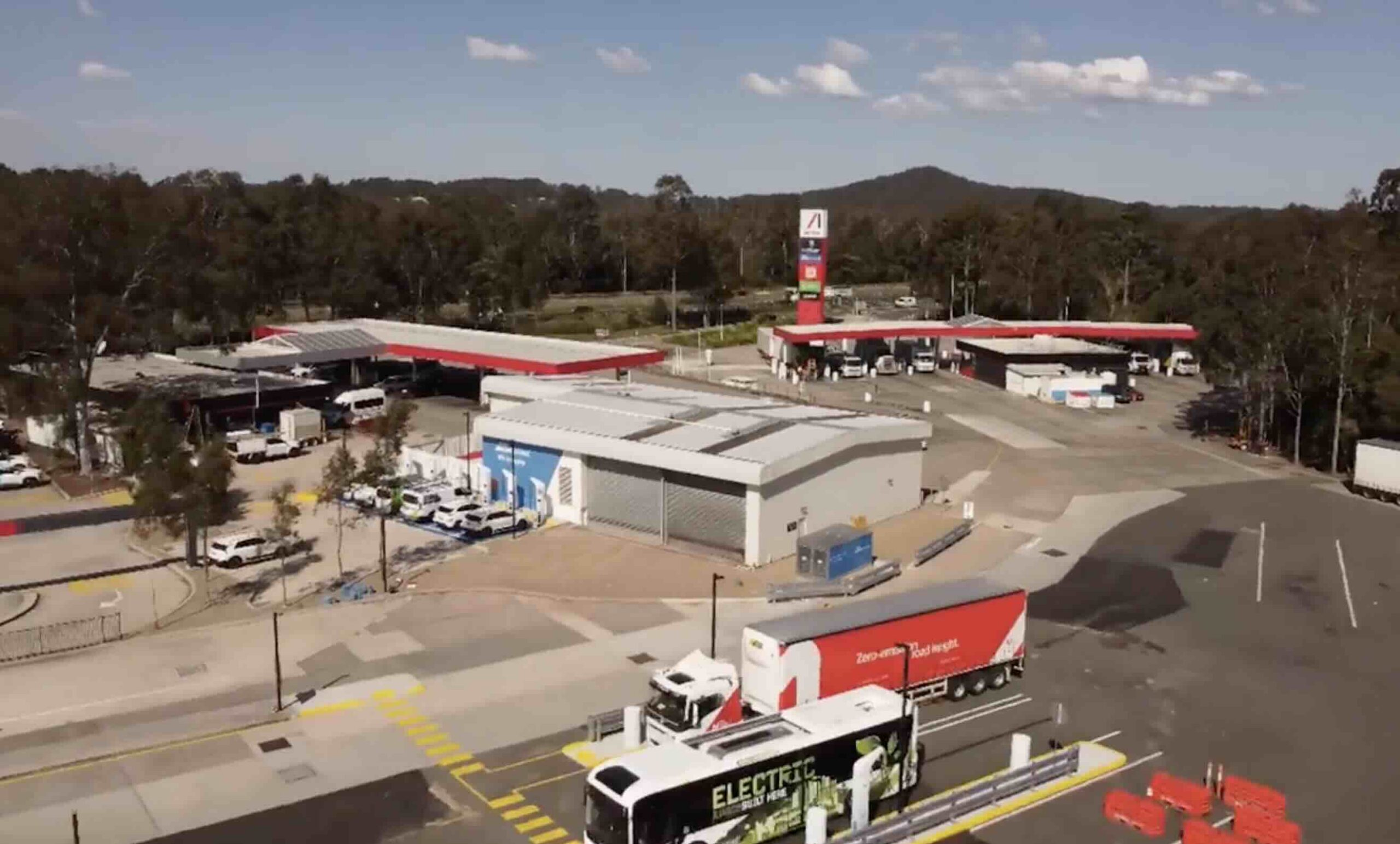
A petrol company has reduced the cost of a grid connection for EV fast-chargers from a potential multimillion-dollar outlay to $90,000 by using spare network capacity and managing demand during peak periods. This Australian-first approach to grid connection shows that better use of existing infrastructure can sidestep expensive augmentation.
Where this fits
This story is a data point on the hidden cost of the renewables-heavy grid. Fast-charger rollout requires either expensive new transmission and distribution infrastructure, or clever management of load timing and spare capacity. The cheaper path exists only where there is spare capacity to tap. As solar and wind output becomes more volatile and weather-dependent, the grid's spare capacity shrinks during peaks. The charger company here got lucky with timing and location. Most rollout sites will not. This is one reason the whole-system cost of a renewables grid, firming, transmission upgrade, constraint management, and the grid operations complexity they demand, far exceeds the per-megawatt-hour cost of the panels themselves.
What it means
Scattered wins on load management will not solve the core problem: a grid that runs on weather-dependent generation needs either huge overbuild of transmission and storage, or chronic constraint on load. The EV charger connection story is encouraging as a local optimisation. It is also a warning. When the cheapest way to add load to the grid is to find slack in the existing network, the network is not being used efficiently, and the transition is proceeding more slowly than the headline energy-transition timelines assume. Australia remains locked into a path that requires Chinese batteries, Chinese panels, and Chinese inverters to manage the intermittency that firm, domestic nuclear power would eliminate.
Go deeper on the numbers
The bigger picture
Energy security is national security. This connects to the wider case at Unprepared: Australia's dependence on a strategic rival, and how ready it is for the world that is coming.
Reported by The Driven. Read the original report ↗
Related coverage
Snowy 2.0: A monument to this nation’s energy policy hubris - The Australian
Gas reserve ‘could blow away $330bn’ - The Australian
It might not feel like it, but our power is among the world’s cheapest - AFR
First new steel mill in Australia in 35 years to be the first to be powered by 100 per cent renewables - Renew Economy
The numbers, as they move
A short, sourced brief when the figures shift: a transmission blow-out, a supply-chain move, a milestone.