Poland begins ordering long-lead components for first AP1000
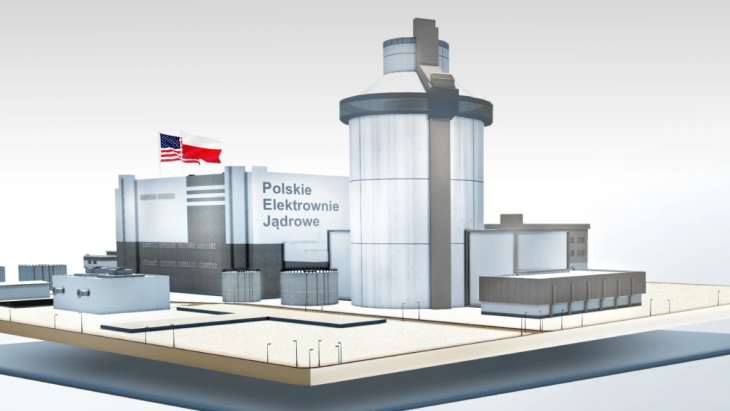
Poland has begun ordering long-lead components for its first AP1000 reactor under an Engineering Development Agreement with Westinghouse-Bechtel. The procurement covers six key components of the nuclear island, including the reactor containment vessel and structural modules. These items require years of production from specialised suppliers meeting strict quality standards. Poland plans to issue a separate order for component delivery as part of the power plant construction contract.
Where this fits
This move bears directly on the pace and sovereignty pressure in the firm-power case. Poland is securing production capacity years in advance because the global supply chain for nuclear components is narrow and concentrated. By contrast, Australia's renewables-only transition assumes unlimited access to panels, batteries and inverters made in China and subject to supply shock or coercion. Poland's deliberate sequencing, engineering now, long-lead orders now, construction later, shows how a firm, energy-dense, low-material grid avoids the just-in-time dependencies that plague weather-dependent systems relying on overseas manufacturing.
What it means
For Australia, the lesson is stark: if Australia were to build nuclear capacity, years of international queue time and sovereign supply constraints would matter less than now because nuclear requires far fewer tonnes of raw material per gigawatt and no repeated battery refresh cycles feeding China's supply chain. Australia's current path, betting the grid on solar and wind, then scrambling to firm them with gas and batteries sourced overseas, surrenders timing and supply security to a strategic rival. Poland's decision to start component procurement now, a decade before generation, is the honest cost of a firm grid built outside China's manufacturing orbit. Australia has chosen the opposite: cheap per-megawatt-hour renewables, owned by no one, firmed by anyone, sourced by everyone, and dependent on all of it arriving on schedule from a single country.
Go deeper on the numbers
The bigger picture
Energy security is national security. This connects to the wider case at Unprepared: Australia's dependence on a strategic rival, and how ready it is for the world that is coming.
Reported by World Nuclear News. Read the original report ↗
Related coverage
Nuclear Reactor Developers Target Indiana, Kentucky, for Sites and Customers
Australians believe nuclear should be part of nation’s energy future - Mining.com.au
South Korea Builds Reactors Fast; Licensing Slows Them Down
Slovakia connects Mochovce 4 nuclear unit to grid after brief delay - oEnergetice.cz
The numbers, as they move
A short, sourced brief when the figures shift: a transmission blow-out, a supply-chain move, a milestone.