Two distressed and heavily curtailed solar farms sold for a song: Will the battery bust be next?
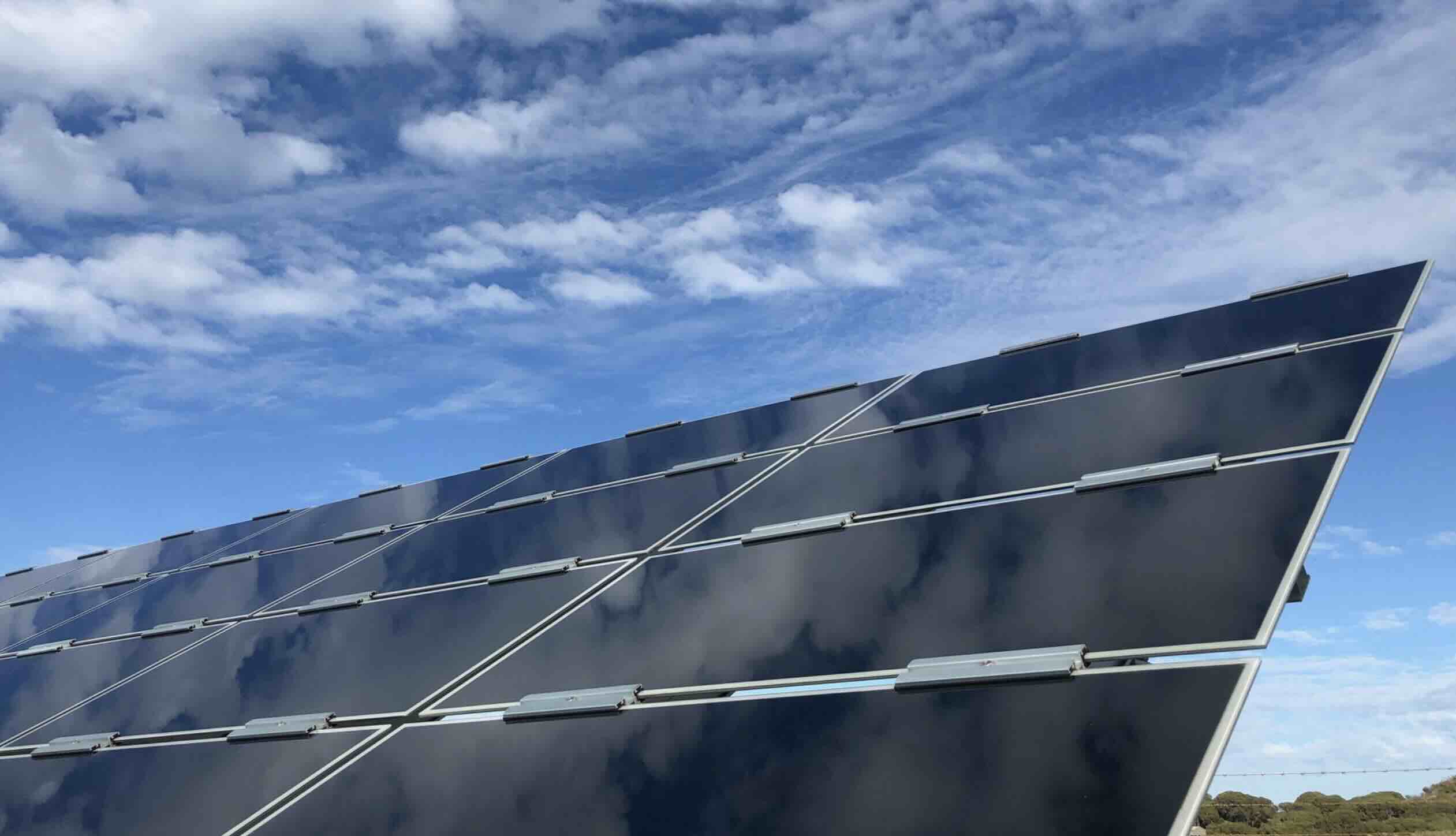
Two solar farms in Queensland with a combined 42 MW export capacity have sold for $22 million, roughly one-third the cost of building equivalent new capacity. The Brigalow and Chinchilla projects, operated by Impact Investment Group, were curtailed heavily and lacked firm offtake agreements, depressing their value. The new owner, LGI, plans to install battery storage and deploy management technology to improve revenue, taking advantage of the gap between installed capacity (54 MWdc) and export capacity (42 MW). Analysts note the sale reflects softening energy prices and suggests bargains exist for buyers with capital, but also flags a broader pattern: solar assets in Australia are struggling to hold their value under grid constraints.
Where this fits
This illustrates the whole-system cost problem hiding in Australia's renewables build. The farms were cheap to build, but their value has collapsed because the grid cannot reliably absorb their output, curtailment is routine, and spot prices have fallen. These are firm generation's true economic advantage: a solar farm that cannot export its power when the sun shines is not just underutilised, it is economically fragile. No offtake agreement meant no revenue floor. LGI is now gambling that battery storage can time-shift output and capture better prices, but that compounds the system cost: the original solar capex, the grid connection, the curtailment, and now incremental battery capex on top.
What it means
This is a preview of the battery bust the headline hints at. If solar farms are worth a third of build cost within their operating life, what happens when batteries, more capital-intensive, shorter-lived, and dependent on lithium supply chains controlled by China, face the same oversupply and margin compression? The real cost of a firm-free renewable grid is not the panel cost. It is paying twice: first for assets that cannot deliver when the grid needs them, then again for storage and firming to make them useful. A coal or nuclear plant holds its value because it dispatchs. Australia is building a grid that destroys asset value by design.
Go deeper on the numbers
The bigger picture
Energy security is national security. This connects to the wider case at Unprepared: Australia's dependence on a strategic rival, and how ready it is for the world that is coming.
Reported by RenewEconomy. Read the original report ↗
Related coverage
Snowy 2.0: A monument to this nation’s energy policy hubris - The Australian
Gas reserve ‘could blow away $330bn’ - The Australian
It might not feel like it, but our power is among the world’s cheapest - AFR
First new steel mill in Australia in 35 years to be the first to be powered by 100 per cent renewables - Renew Economy
The numbers, as they move
A short, sourced brief when the figures shift: a transmission blow-out, a supply-chain move, a milestone.