Catch-22: Lack of initial bore holes left Snowy 2.0 tunnelling into the geological unknown
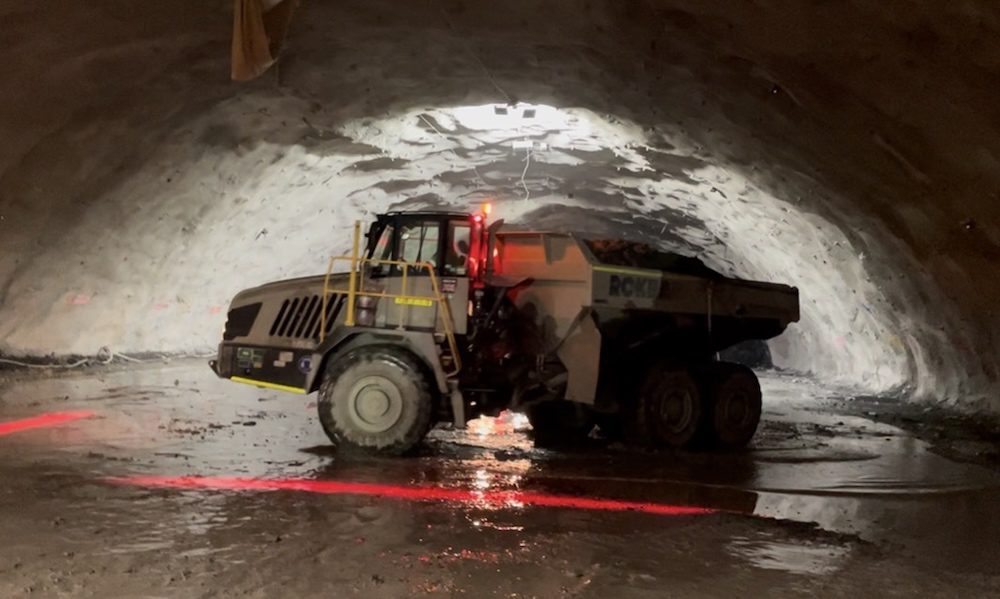
Snowy Hydro's 2.0 pumped hydro project is facing another cost blowout driven by "adverse geological and hydrogeological conditions" that contractors say were not fully identified in early probing. The head contractor, Future Generation Joint Venture, cited unexpected variations in rock strength, groundwater inflows, and rock mass behaviour as the tunnel boring machines progressed through critical sections. Cavern excavation had to be redesigned, construction sequences altered, and blasting methods revised. This comes three years after a major reset lifted the direct cost estimate to $12 billion. Critics predict the revised figure will approach $25 billion once interest and additional transmission infrastructure are counted.
Where this fits
Snowy 2.0 is Australia's flagship renewable firming project, designed to store energy and provide dispatchable output when solar and wind fall short. The mounting geological surprises and cost overruns illustrate a pattern: pumped hydro, despite being the lowest-cost long-duration storage available, still faces massive infrastructure and contingency risks that blow out total system cost. Snowy 2.0 is also a case study in the hidden complexity and expense of renewable firming infrastructure. Every dollar spent managing geological unknowns at Snowy 2.0 is a dollar not spent on other parts of the grid or alternative firm capacity.
What it means
Australia is betting its grid reliability on a single, site-constrained pumped hydro project while regulatory barriers exclude nuclear energy, the only other firm, low-emission, long-lived source that does not depend on hydrology or lithium supply chains. The more Snowy 2.0 costs and delays, the more the grid depends on gas for firming. A diversified firm generation mix would spread that risk and cost burden across multiple technologies and sites.
By the numbers
enough for 7–11 TWh a year of firm, always-on power, generating for ~60 years. Source: CSIRO GenCost 2024-25 (A$8.5–13.2bn/GW), IAEA capacity factor.
Figures are indicative conversions from the article's stated quantity using published cost, material and capacity factors (CSIRO GenCost, BNEF, IEA, IAEA). Ranges, not precise forecasts.
Go deeper on the numbers
The bigger picture
Energy security is national security. This connects to the wider case at Unprepared: Australia's dependence on a strategic rival, and how ready it is for the world that is coming.
Reported by RenewEconomy. Read the original report ↗
Related coverage
Snowy 2.0: A monument to this nation’s energy policy hubris - The Australian
Gas reserve ‘could blow away $330bn’ - The Australian
It might not feel like it, but our power is among the world’s cheapest - AFR
First new steel mill in Australia in 35 years to be the first to be powered by 100 per cent renewables - Renew Economy
The numbers, as they move
A short, sourced brief when the figures shift: a transmission blow-out, a supply-chain move, a milestone.