Beyond peak shaving: Are we selling commercial solar and batteries short?
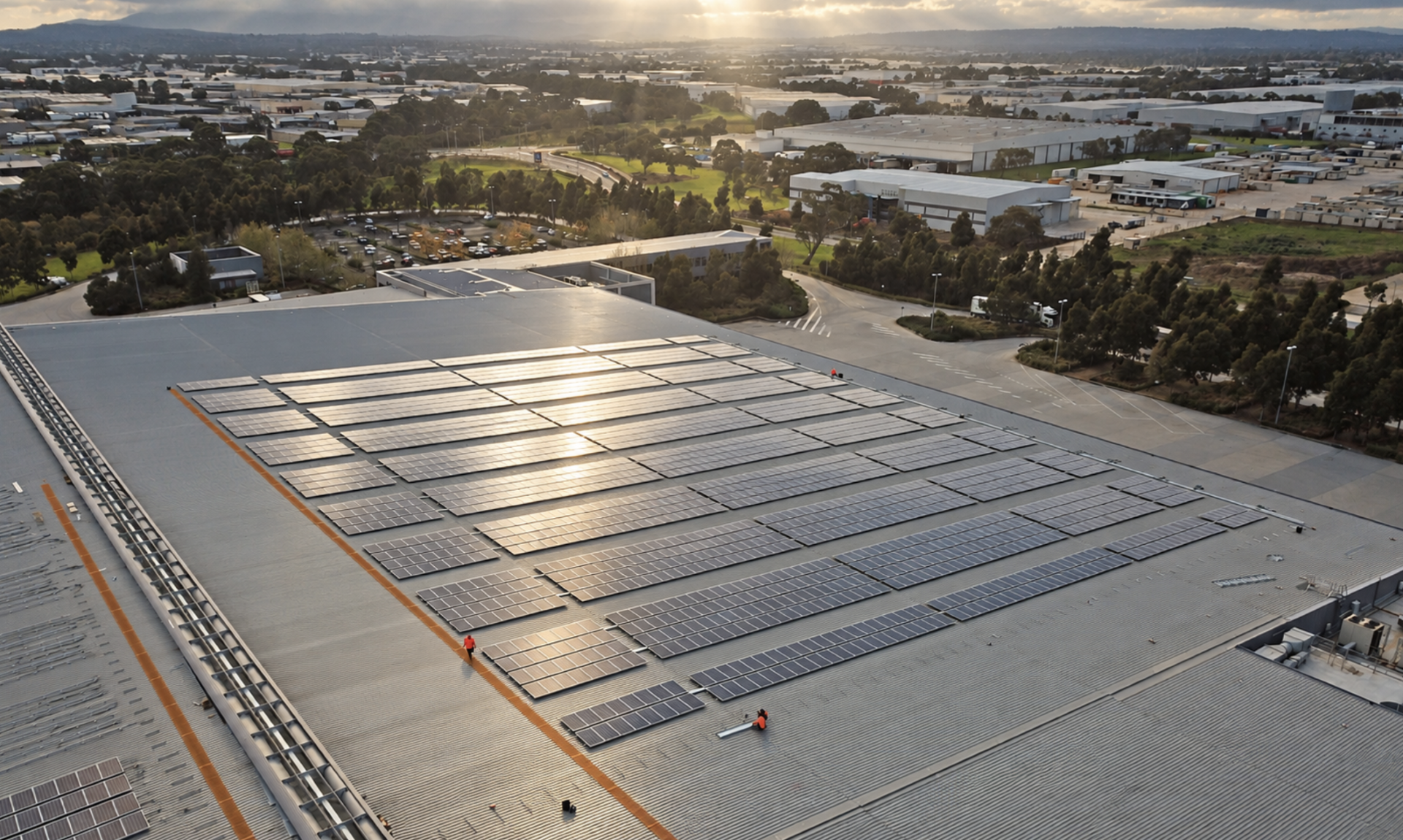
From 1 October 2026, Australian commercial and industrial solar installations between 100 kW and 1 MW became eligible for Small-scale Technology Certificates (STCs), shifting from the previous Large-scale Generation Certificate (LGC) regime. The federal government estimates the change reduces installation costs by roughly 20%. The Clean Energy Regulator identified this mid-scale segment as Australia's "missing middle," with only 28 MW accredited in the first half of 2026. Victoria's Energy Upgrades program layers additional incentives for projects between 30 kW and 200 kW through state-issued certificates.
Where this fits
This policy accelerates the deployment of weather-dependent generation in the C&I segment without addressing the core reliability problem: solar output moves with cloud cover and season, not demand. Lower upfront costs make installations more attractive but mask the whole-system expense. Every megawatt of rooftop solar added to the grid increases the need for firming capacity (gas turbines or batteries) and transmission overbuild to handle the mismatch between supply and load. The incentive structure rewards installed capacity, not firm power. Battery systems, which could turn solar into dispatchable output, are mentioned only in passing, and the article does not explore whether the incentive settings actually steer projects toward storage or leave economics tilted toward generation-only installs.
What it means
Subsidising solar speed without mandating or pricing in the firming that makes it reliable locks Australia into a higher whole-system cost path. Each installation adds intermittency to a grid that must then burn more gas to compensate, or invest heavily in batteries whose supply chain is dominated by China. The opportunity cost is not captured in the 20% cost reduction: Australia is building renewable capacity density without the firm backbone that would either be nuclear or require battery investment at scale, all while remaining strategically dependent on Chinese-made batteries to close the gap.
Go deeper on the numbers
The bigger picture
Energy security is national security. This connects to the wider case at Unprepared: Australia's dependence on a strategic rival, and how ready it is for the world that is coming.
Reported by PV Magazine Australia. Read the original report ↗
Related coverage
'Worst of both worlds': sparse support for gas changes - Yahoo Finance Australia
Is Australia’s gas reservation scheme really aimed at Santos? - The Conversation
Gas now, pay later: industry to critique reservation - https://aapnews.aap.com.au/
CME pushes to lock in WA domestic gas exemption - The West Australian
The numbers, as they move
A short, sourced brief when the figures shift: a transmission blow-out, a supply-chain move, a milestone.