Chinese PV Industry Brief: Polysilicon inventories remain high
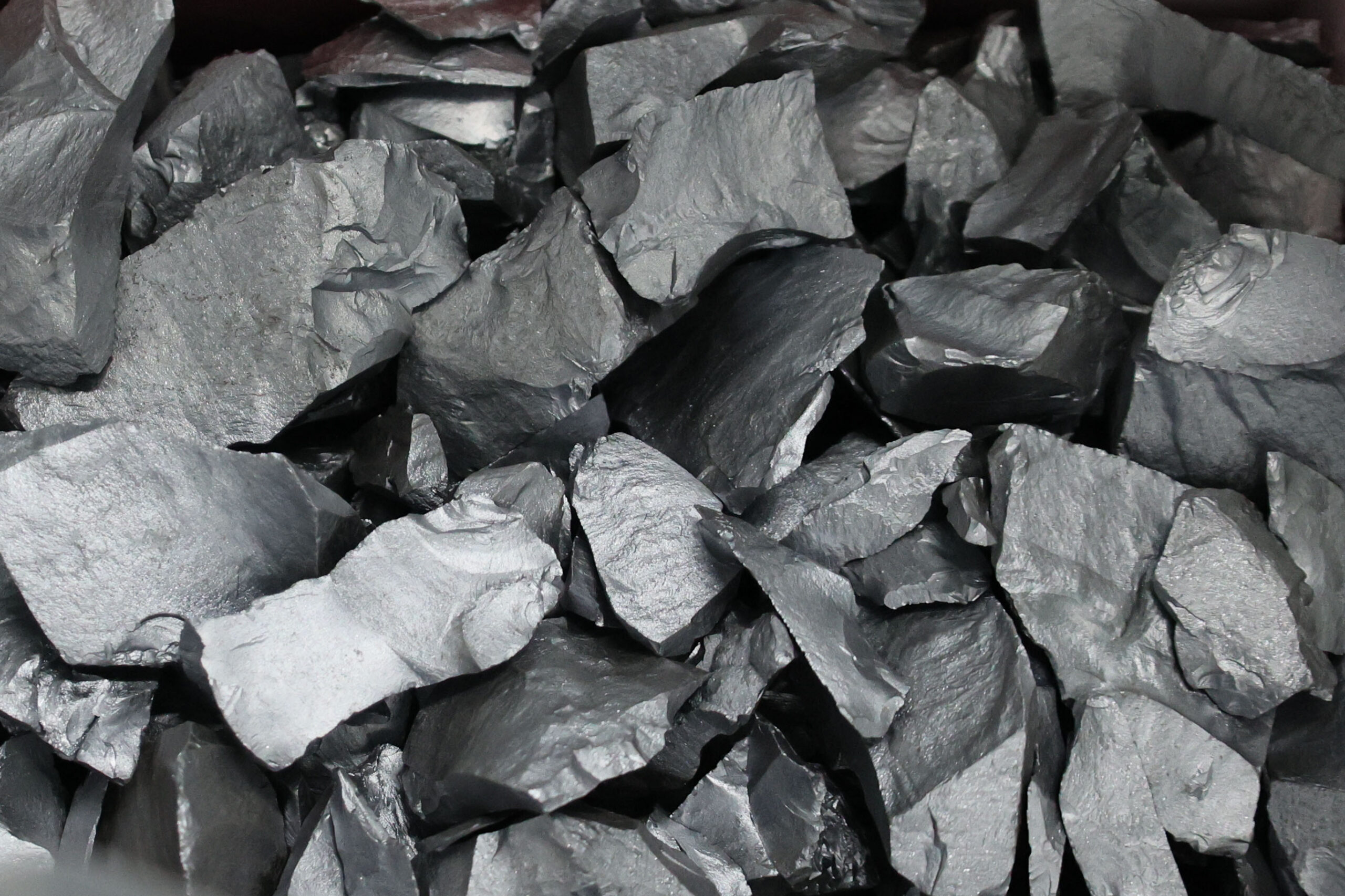
China's polysilicon inventories sat above 560,000 metric tons in late October despite production cuts, as oversupply and weak downstream demand continued to suppress prices. Producers aimed to maintain selling prices above CNY 43 per kilogram, though actual transaction prices were lower. Solar module procurement tenders in China totaled 6.6 GW in mid-October, a jump from 410 MW the prior fortnight, driven by state-owned enterprise programs. Contract awards remained subdued. The glut reflects the familiar cycle: rapid capacity expansion in China's supply chain for solar materials, demand volatility, and price pressure that consolidates market control among larger players who can absorb losses.
Where this fits
Australia's solar deployment depends almost entirely on Chinese-manufactured panels and polysilicon. Oversupply in China's upstream material markets signals structural overcapacity in the global supply chain, which narrows margins and accelerates consolidation among Chinese state-backed producers. This is a sovereignty pressure: as the market thins, fewer, larger, and more strategically aligned Chinese firms control the feedstock for panels that Australia will install at scale for the next two decades. Price weakness today masks tomorrow's supply choke-point risk if geopolitical tension rises or if the Chinese government redirects capacity to domestic priorities.
What it means
For Australia, polysilicon oversupply is not reassuring. It means the firms supplying the material for our renewable build are operating at razor-thin margins under state guidance, not market discipline. If Australia accelerates solar deployment without building firm generation capacity in parallel, we deepen dependence on a supply chain managed by Beijing. Nuclear generation would eliminate that material and geopolitical exposure entirely, yet remains prohibited by law.
By the numbers
at ~A$1100–1600/kW installed. Source: CSIRO GenCost 2024-25. Indicative.
at a ~24% capacity factor, and only when the sun shines, so it still needs firming.
~80% of modules are China-made. Source: IEA solar supply-chain data.
enough for 4–10 TWh a year of firm, always-on power, generating for ~60 years. Source: CSIRO GenCost 2024-25 (A$8.5–13.2bn/GW), IAEA capacity factor.
Figures are indicative conversions from the article's stated quantity using published cost, material and capacity factors (CSIRO GenCost, BNEF, IEA, IAEA). Ranges, not precise forecasts.
Go deeper on the numbers
The bigger picture
Energy security is national security. This connects to the wider case at Unprepared: Australia's dependence on a strategic rival, and how ready it is for the world that is coming.
Reported by PV Magazine (intl). Read the original report ↗
Related coverage
Queensland boosts critical minerals sector with Australian-first facility - Mining.com.au
G Kishan Reddy to visit Australia for critical minerals cooperation - The News Mill
US, Australia mark anniversary of critical minerals deal - Asia Pacific Defence Reporter
US-China failed deal boosts Australian rare earths - Australian Resources & Investment
The numbers, as they move
A short, sourced brief when the figures shift: a transmission blow-out, a supply-chain move, a milestone.