Dismal energy efficiency policy is costing Australian households dearly – in some states more than others
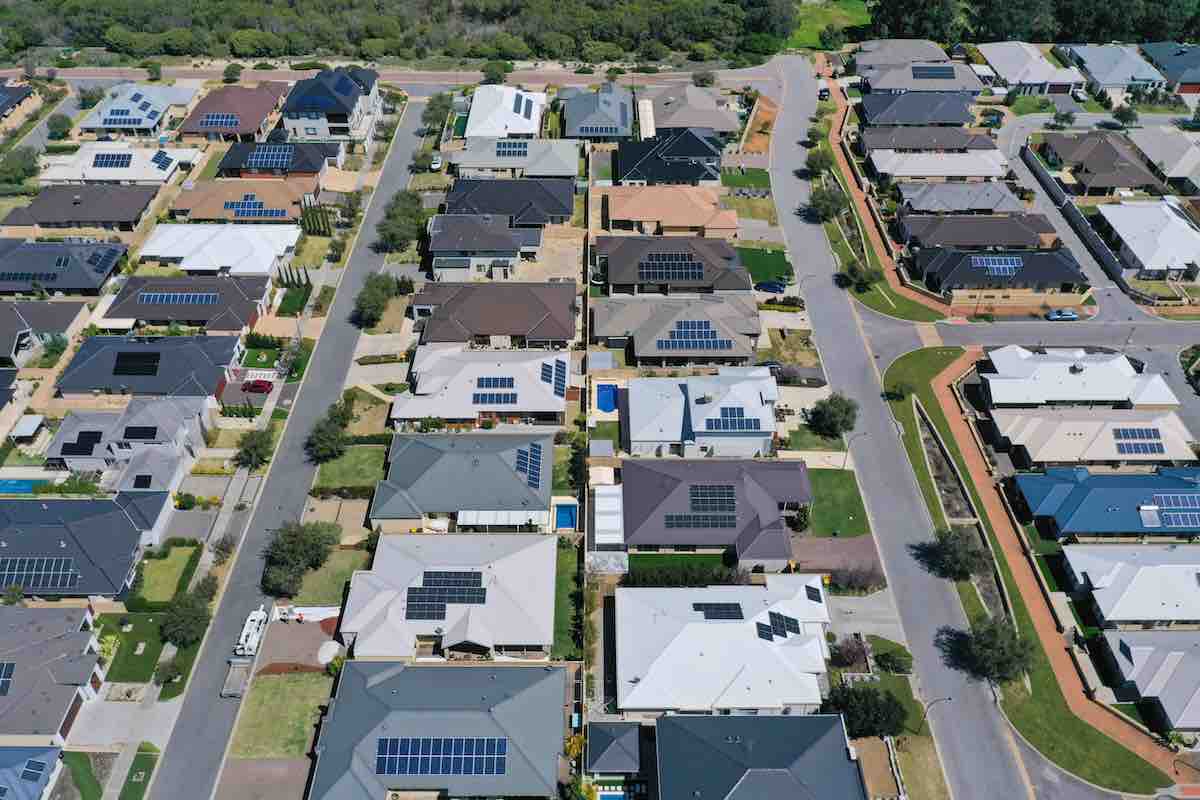
Australia's State Energy Performance Policy Scorecard has found that inconsistent energy efficiency standards across states and territories are locking households into higher energy consumption and bills. Federal Coalition figures have argued that mandatory efficiency standards for new homes add cost and should be optional, contending that affordability concerns outweigh thermal performance requirements. The Energy Efficiency Council counters that upfront building costs are far smaller than the lifetime energy bills paid by occupants of inefficient homes, and that thermal standards ensure safety and comfort, not luxury.
Where this fits
This sits at the cost edge of the energy transition. While Australia has poured policy support into rooftop solar and batteries, which are visible, subsidised, and low-cost per megawatt-hour, the less glamorous work of thermal efficiency in the built environment has been starved of coordination and mandate. Efficiency is the cheapest megawatt-hour of all: it avoids the need to generate, transmit, or store power in the first place. Fragmented state-level policy means that spending on heating, cooling and lighting in Australian homes stays unnecessarily high, and that drain flows into grid demand that then requires more generation capacity, more firming, and more transmission infrastructure to serve.
What it means
Weak efficiency standards mean Australian households subsidise poor building practice through higher lifetime energy bills. The grid sees the consequence as sustained peak demand that cannot be met by weather-dependent renewables alone, driving the need for gas peaking plants and battery storage, both of which add system cost. A coherent national efficiency floor would shrink the generation task itself, lowering the total cost of the transition and reducing dependence on firming infrastructure that remains expensive and, in Australia's case, locked into a fossil-fuel supply chain.
Go deeper on the numbers
The bigger picture
Energy security is national security. This connects to the wider case at Unprepared: Australia's dependence on a strategic rival, and how ready it is for the world that is coming.
Reported by RenewEconomy. Read the original report ↗
Related coverage
Snowy 2.0: A monument to this nation’s energy policy hubris - The Australian
Gas reserve ‘could blow away $330bn’ - The Australian
It might not feel like it, but our power is among the world’s cheapest - AFR
First new steel mill in Australia in 35 years to be the first to be powered by 100 per cent renewables - Renew Economy
The numbers, as they move
A short, sourced brief when the figures shift: a transmission blow-out, a supply-chain move, a milestone.