Canadian province announces PV panel recycling fee
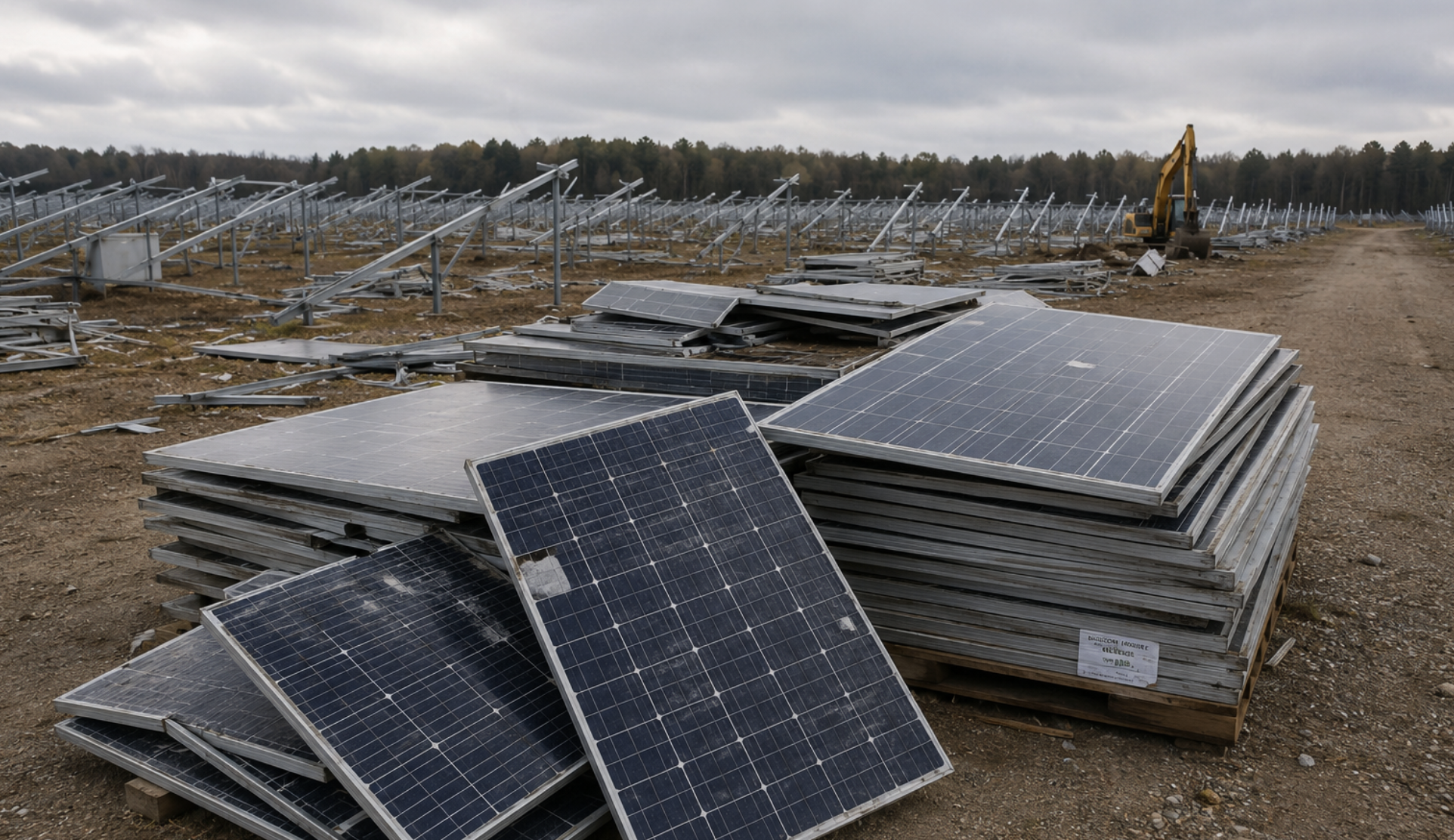
Alberta will impose a recycling fee of CAN 14 (approximately USD 16) on each solar panel supplied in the province from October 1. The fee applies only to new installations, not existing systems, and a typical residential array of 20 panels would incur CAN 280 in charges, less than 1.5% of total installation cost. The money will fund collection, transport and recycling infrastructure. The province notes that 95% of its currently installed panels will reach end of life by 2045, generating around 72,700 tonnes of material. Alberta's Renewable Energy Association has already objected, saying the fee is five times Alberta's electronics recycling charge and three times the cost its own analysis suggested appropriate.
Where this fits
This move exposes a materials and cost problem baked into the renewables transition. Solar panels have a lifespan and at scale they become waste with genuine environmental and logistics costs. Alberta is right that building recycling infrastructure now is cheaper than remediation later. But the fee itself, modest as it is, reveals that the true system cost of solar is higher than headline price-per-megawatt-hour figures suggest. The fee is a tax on the future, passed to today's consumers, to manage a liability that was always there but unstated. It bears on the materials and cost pillars of the Energy Realism framework.
What it means
Australia will face the same recycling burden within years as its installed solar base ages. A national recycling scheme will require collection infrastructure, processing capacity and either domestic remanufacturing or export (likely to China, which already dominates panel supply-chain economics). The honest point: solar's full lifecycle cost includes end-of-life management that few grids have yet priced in. That cost will compound as deployment accelerates, and it remains overwhelmingly dependent on foreign processing capacity.
Go deeper on the numbers
The bigger picture
Energy security is national security. This connects to the wider case at Unprepared: Australia's dependence on a strategic rival, and how ready it is for the world that is coming.
Reported by PV Magazine (intl). Read the original report ↗
Related coverage
Lithium demand from storage expected to slow to 5% annual growth
Helcro Solar on What Happens to Old Panels as Australia Moves Toward Mandatory Solar Recycling - Medianet News Hub
Australia's First Facility to Boost Critical Minerals Sector - Mirage News
New Platform Examines Australia's Critical Minerals Future - Mirage News
The numbers, as they move
A short, sourced brief when the figures shift: a transmission blow-out, a supply-chain move, a milestone.