Nuward targets 10 SMRs in five EU countries
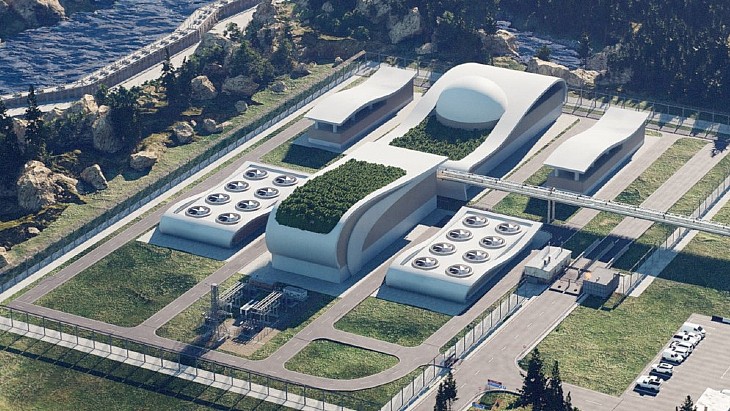
Nuward, EDF's small modular reactor subsidiary, announced plans for a first European fleet of 10 units across five countries, with construction targeted to begin in 2030 and first power generation in 2035. The company aims to commercialise the design before 2029. The European Industrial Alliance on SMRs is assessing a second round of project applications, with around 10 concrete SMR projects already identified across the continent. Nuward's CEO stressed multi-energy applications including industrial process heat and district heating, load-following capability, and plans to build a supply chain across Italy, Poland, Belgium and Finland. The construction timeline is stated at 48 months per unit.
Where this fits
This is a concrete signal that Europe, facing energy security pressure, industrial competitiveness concerns, and emissions targets, is moving beyond renewables-only assumptions. The Nuward timeline exposes the long lead time for firm, dispatchable generation: even with design completion, first power is nine years away. Australia has banned nuclear outright. Where Europe is betting on firm, low-emissions industrial power, Australia is locked into weather-dependent renewables, gas firming, and a transmission system built to handle the volatility that firming cannot eliminate. The sovereignty angle matters too: Europe is building a continental supply chain to own its own fuel and technology. Australia outsources that to China.
What it means
Australia's ban on nuclear means it cannot access the category of generation Europe now sees as essential for industrial heat, grid stability and energy independence. When Australian industrial users need firm, low-carbon power for process heating, cement, chemicals, steel, there is no domestic path. The window for licensing, building, and operating a first Australian SMR before 2035 is already closed. That is not a small policy detail; it is a structural constraint on sovereignty and cost.
Go deeper on the numbers
The bigger picture
Energy security is national security. This connects to the wider case at Unprepared: Australia's dependence on a strategic rival, and how ready it is for the world that is coming.
Reported by World Nuclear News. Read the original report ↗
Related coverage
Nuclear Reactor Developers Target Indiana, Kentucky, for Sites and Customers
Australians believe nuclear should be part of nation’s energy future - Mining.com.au
South Korea Builds Reactors Fast; Licensing Slows Them Down
Slovakia connects Mochovce 4 nuclear unit to grid after brief delay - oEnergetice.cz
The numbers, as they move
A short, sourced brief when the figures shift: a transmission blow-out, a supply-chain move, a milestone.