Retrofits on the rise Down Under
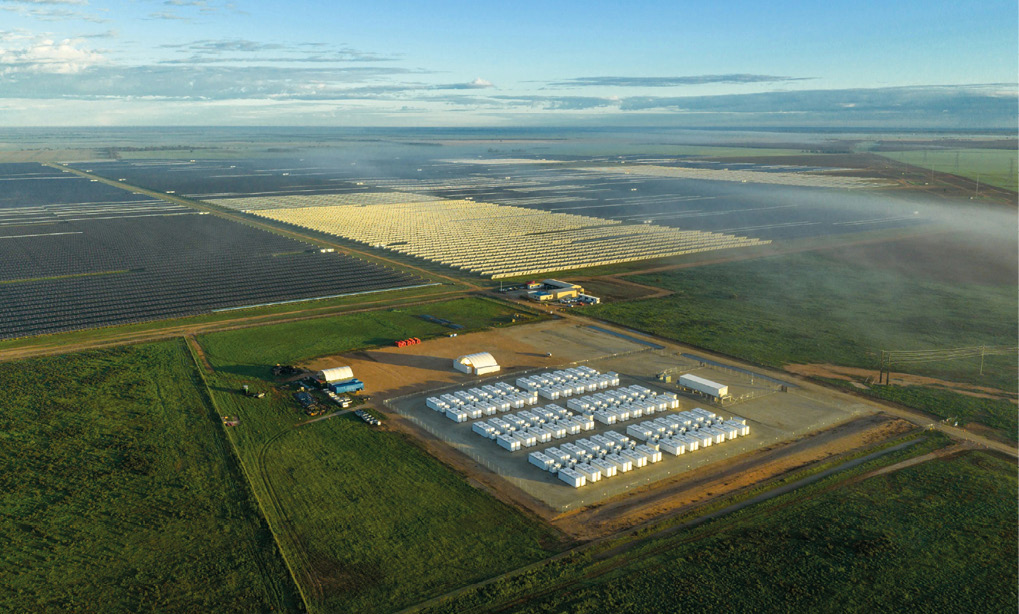
Australia is retrofitting battery storage at existing solar farms to manage grid frequency and supply as coal plants retire and the 2030 renewable energy and coal-closure targets draw near. The article does not supply numbers on how many sites are being fitted, what storage capacity is being added, or the cost of the retrofit program.
Where this fits
This is a direct signal of the cost and complexity hidden in Australia's "82% renewable by 2030" target. Solar farms alone cannot meet a firm supply obligation; they need co-located batteries to shift output across hours and smooth weather volatility. That battery cost, capex, land, interconnection, and eventual replacement, is a whole-system cost that sits on top of the solar capex, not inside it. The retrofit wave also flags a sovereign supply-chain risk: batteries, inverters, and the lithium, cobalt, and nickel they contain are now concentrated in China and its sphere. Australia is locking in long-term dependence on Chinese manufacturing for the firming equipment that makes its renewable target feasible.
What it means
Australia is building a grid that cannot run without continuous battery dispatch. That is not inherently problematic, but it is expensive and it transfers critical infrastructure dependence offshore at a moment when strategic rivalry with China is shaping policy across the Western alliance. A firm generation alternative, nuclear power, is excluded by law and by habit, leaving battery retrofits as the only scaling path. Each retrofit site represents a sunk cost in a technology whose supply chain and geopolitical exposure are only now being understood. The question Australia has not answered is whether this path is faster and cheaper than the firm alternative it has ruled out.
Go deeper on the numbers
The bigger picture
Energy security is national security. This connects to the wider case at Unprepared: Australia's dependence on a strategic rival, and how ready it is for the world that is coming.
Reported by PV Magazine (intl). Read the original report ↗
Related coverage
Big battery durations are headed to double figures, and their chemistries are changing – again
Does Snowy 2.0 still have a place in a world of batteries? - ABC News & Headlines – Australian Broadcasting Corporation
Queensland energy plan assumes zero data centre demand - AFR
The power cable that could make or break Victoria - AFR
The numbers, as they move
A short, sourced brief when the figures shift: a transmission blow-out, a supply-chain move, a milestone.