Another Australian wind project reaches financial close as global oil giant sells out
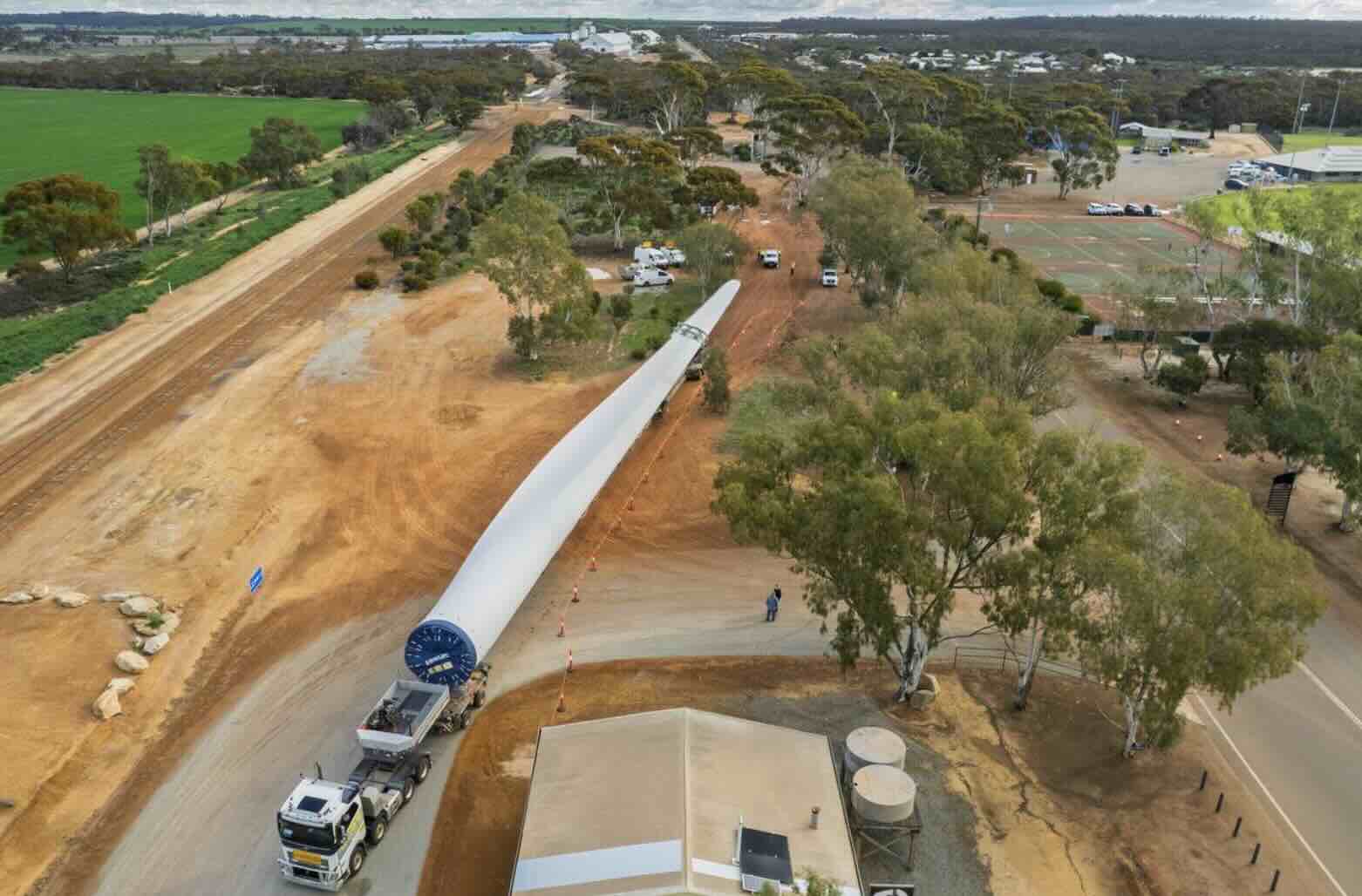
Foresight Group has reached financial close on the 130 MW first stage of the Kondonin wind farm in Western Australia, securing $430 million in debt financing from Australian banks. Shell has sold its stake in the joint venture and exited the project as part of the oil industry's broader retreat from renewables. Kondonin is the fourth wind farm under construction in W.A.'s main grid, joining Waddi, Narrogin and Kings Rock, all aimed at delivering capacity before the 2029 closure of the state's last coal generator. Foresight plans to expand Kondonin to 370 MW. Several of these projects, including Kondonin, have secured power purchase agreements with state utility Synergy, which proved critical to financing.
Where this fits
This demonstrates the renewables build-out is accelerating, but it also shows the mechanism keeping it moving: state-backed power purchase agreements and syndicated bank debt, not market forces alone. The reliance on Australian banks to finance W.A.'s coal exit exposes the financing bottleneck as Australia attempts to retire firm baseload faster than firming capacity can be deployed. Shell's exit from renewables reflects the broader reorientation of capital, but it masks a deeper cost: whoever finances these projects must price in the hidden cost of grid firming, transmission overbuild and standby gas generation that weather-dependent wind requires.
What it means
W.A. is committed to coal closure by 2029. Wind farms alone cannot replace that dispatchable power; the state will need substantial gas-fired backup and expanded transmission. The fact that Synergy's power purchase agreements were essential to unlock bank financing reveals that market revenues alone do not justify the capital stack, subsidised contracts do. This is a data point in the pattern: renewables are cheap per megawatt-hour, but the whole grid cost is high because firming is expensive and Australia has ruled out the lowest-emission firm alternative.
By the numbers
at ~A$2000–3200/kW installed. Source: CSIRO GenCost 2024-25. Indicative.
at a ~38% capacity factor, and only when the wind blows, so it still needs firming.
Figures are indicative conversions from the article's stated quantity using published cost, material and capacity factors (CSIRO GenCost, BNEF, IEA, IAEA). Ranges, not precise forecasts.
Go deeper on the numbers
The bigger picture
Energy security is national security. This connects to the wider case at Unprepared: Australia's dependence on a strategic rival, and how ready it is for the world that is coming.
Reported by RenewEconomy. Read the original report ↗
Related coverage
Snowy 2.0: A monument to this nation’s energy policy hubris - The Australian
Gas reserve ‘could blow away $330bn’ - The Australian
It might not feel like it, but our power is among the world’s cheapest - AFR
First new steel mill in Australia in 35 years to be the first to be powered by 100 per cent renewables - Renew Economy
The numbers, as they move
A short, sourced brief when the figures shift: a transmission blow-out, a supply-chain move, a milestone.