New framework identifies key costs in PV panel recycling
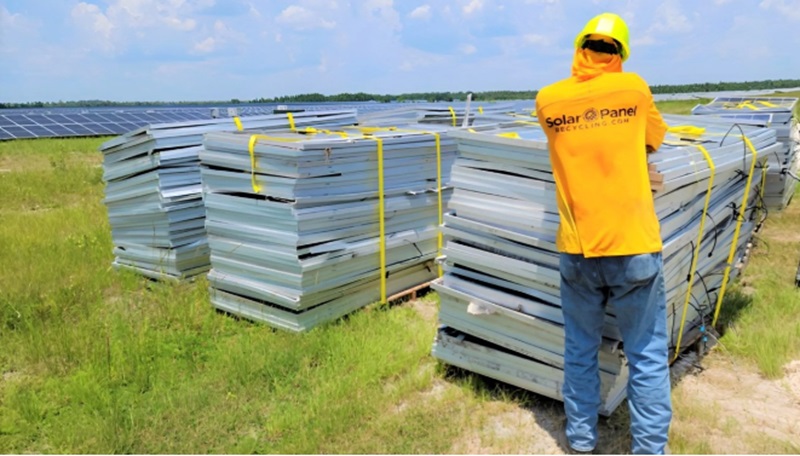
Brazilian researchers have developed a decision-support framework for assessing the costs of recycling end-of-life solar panels, with a focus on emerging economies. Working from a systematic review of 23 cost studies, they identified 33 cost components grouped into five categories: infrastructure and facilities, logistics and resources, operations and production, management and finance, and regulatory compliance. The expert panel ranked operations and production as the highest cost driver, followed closely by infrastructure and facilities. The framework is intended to help policymakers and operators in emerging markets structure their approach to PV waste management.
Where this fits
This research exposes a structural gap in renewable energy economics that the solar industry routinely leaves out of "cost per megawatt-hour" claims. PV panels degrade, break down, or reach end of life after 25 to 30 years, and the infrastructure, logistics, labor, and administrative overhead to manage that waste stream at scale is substantial and often invisible in initial deployment costs. For Australia, which is committing to a renewables-heavy grid without firm capacity to match, this means the true whole-system cost of solar buildout includes not only the panels themselves but decades of handling their material footprint. The recycling framework also highlights that emerging economies, which manufacture most of the world's panels, face acute cost burdens that are typically absorbed by exporting countries.
What it means
Australia's solar capacity will eventually become end-of-life waste, and no such framework exists locally to price that liability. The omission of recycling costs from grid modeling inflates the apparent affordability of a solar-dominant system. A firm, energy-dense alternative such as nuclear produces no recyclable waste stream and requires no material recovery infrastructure, trading a one-time waste management liability for zero ongoing material throughput. Without honest accounting of PV recycling economics, Australia's energy transition costs remain understated.
Go deeper on the numbers
The bigger picture
Energy security is national security. This connects to the wider case at Unprepared: Australia's dependence on a strategic rival, and how ready it is for the world that is coming.
Reported by PV Magazine (intl). Read the original report ↗
Related coverage
Panel recycling laws needed now as 2035 million-tonne solar waste mountain looms - pv magazine Australia
Australia’s Clean Energy Success Creating a Million-Ton Waste Problem: Report - AZoCleantech
From Clean Energy to Waste Crisis: Australia's Solar Revolution Faces a Billion-Dollar Challenge - Devdiscourse
Critical minerals put mining tech in spotlight - The Australian
The numbers, as they move
A short, sourced brief when the figures shift: a transmission blow-out, a supply-chain move, a milestone.