High Court coal mine ruling factors in exported emissions. Why isn’t federal Labor doing the same?
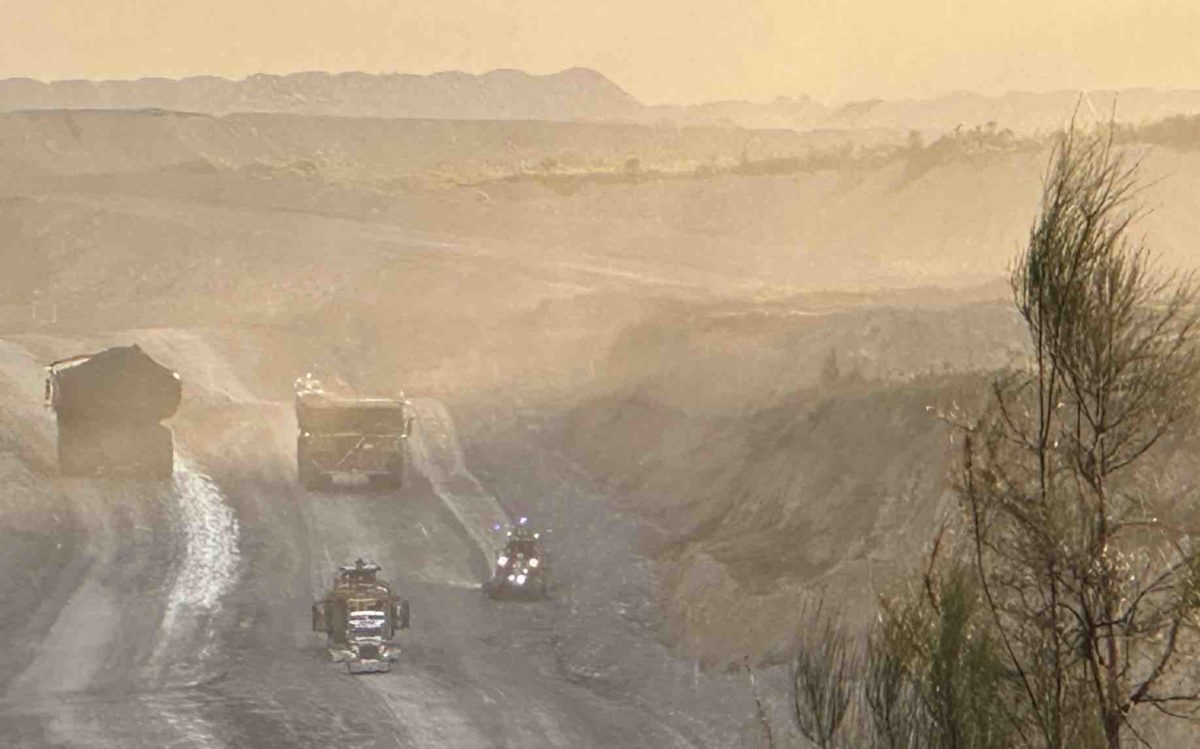
The High Court ruled 3-2 that NSW planning authorities must consider Scope 3 emissions (coal burned overseas) when assessing coal mine extensions, invalidating approval for MACH Energy's Mount Pleasant expansion in the Hunter Valley. The project would have doubled production to 21 million tonnes per annum, generating 870 million tonnes of CO2-equivalent over its life, with 98 per cent of emissions occurring when the coal is burned abroad. The Court found the Independent Planning Commission had wrongly assumed imported nations' Paris obligations discharged Australia's responsibility for exported coal's climate impact. This is the High Court's first climate judgment and binds NSW planning decisions going forward.
Where this fits
This ruling addresses emissions accounting, not the grid's generation mix. It bears on sovereignty and the national security logic that governs energy choices. Australia is the world's second-largest coal exporter; the judgment forces domestic courts to weigh responsibility for emissions from resources sold to foreign buyers. But it does nothing to resolve the core electricity transition problem: replacing firm, dispatchable coal-fired power with weather-dependent renewables requires either gas firming or nuclear baseload, and neither option is being pursued at the scale required.
What it means
The ruling may slow coal export approvals and tighten planning conditions, but it does not address what replaces coal generation in the grid. Labor's energy policy continues to rely on renewables plus gas bridges, a path that locks in high costs, China supply-chain dependence, and gas emissions. A genuinely low-emission, firm, domestically controlled electricity system would run on nuclear, which Australia has banned by law. Courts can now enforce emissions counting for exports; they cannot compel the government to deploy the firm, low-carbon technology that would actually decarbonise the grid and restore energy sovereignty.
Go deeper on the numbers
The bigger picture
Energy security is national security. This connects to the wider case at Unprepared: Australia's dependence on a strategic rival, and how ready it is for the world that is coming.
Reported by RenewEconomy. Read the original report ↗
Related coverage
'Worst of both worlds': sparse support for gas changes - Yahoo Finance Australia
Is Australia’s gas reservation scheme really aimed at Santos? - The Conversation
Gas now, pay later: industry to critique reservation - https://aapnews.aap.com.au/
CME pushes to lock in WA domestic gas exemption - The West Australian
The numbers, as they move
A short, sourced brief when the figures shift: a transmission blow-out, a supply-chain move, a milestone.