Hysata to build 50 MW electrolyser production line in NSW
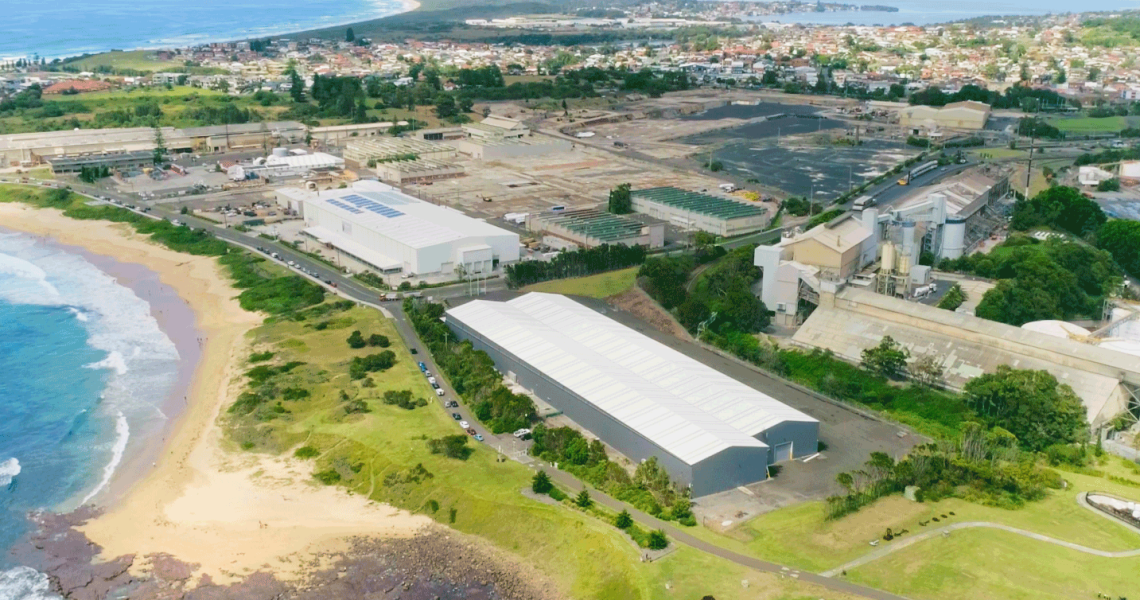
Hysata, a Wollongong-based hydrogen technology company, has secured up to $49 million in Australian Renewable Energy Agency funding to build a 50 MW electrolyser manufacturing line at Port Kembla. The company claims its capillary-fed electrolyser technology achieves 95% efficiency, requiring 41.5 kWh of electricity per kilogram of hydrogen produced, about 20% above incumbent technologies. The $98 million project, matched by private capital, will manufacture components locally including membranes, anodes and cathodes. Production will scale from 50 MW annually to 200 MW as demand grows, with Hysata forecast to spend $20 to $30 million yearly with Australian suppliers.
Where this fits
This is a sovereign manufacturing bet on hydrogen as a firm-energy substitute. The electrolyser line addresses a real constraint: producing "clean" hydrogen at scale currently demands enormous electricity input, and if that power comes from wind and solar, the whole chain inherits weather dependency and firming costs. Australia is building the electrolyser supply chain onshore, which improves sovereignty over a critical technology, but does not solve the upstream problem: hydrogen produced this way is only as reliable and cheap as the electricity feeding it, which in a renewables-dominant grid means gas plants standing by to firm the supply.
What it means
Australia is investing in hydrogen manufacturing to decarbonise hard-to-abate industry, but the strategy assumes abundant, affordable renewable electricity. That electricity does not yet exist at the scale needed, and building it requires not only panels and turbines but also gas firming, transmission overbuild, and battery capacity. Firm dispatchable power, whether gas or nuclear, remains the foundation any hydrogen strategy rests on. A local electrolyser industry insulates Australia from foreign supply chains, but it does not insulate the grid from weather.
Go deeper on the numbers
The bigger picture
Energy security is national security. This connects to the wider case at Unprepared: Australia's dependence on a strategic rival, and how ready it is for the world that is coming.
Reported by PV Magazine Australia. Read the original report ↗
Related coverage
Snowy 2.0: A monument to this nation’s energy policy hubris - The Australian
Gas reserve ‘could blow away $330bn’ - The Australian
It might not feel like it, but our power is among the world’s cheapest - AFR
First new steel mill in Australia in 35 years to be the first to be powered by 100 per cent renewables - Renew Economy
The numbers, as they move
A short, sourced brief when the figures shift: a transmission blow-out, a supply-chain move, a milestone.