SRES expansion targets commercial solar growth
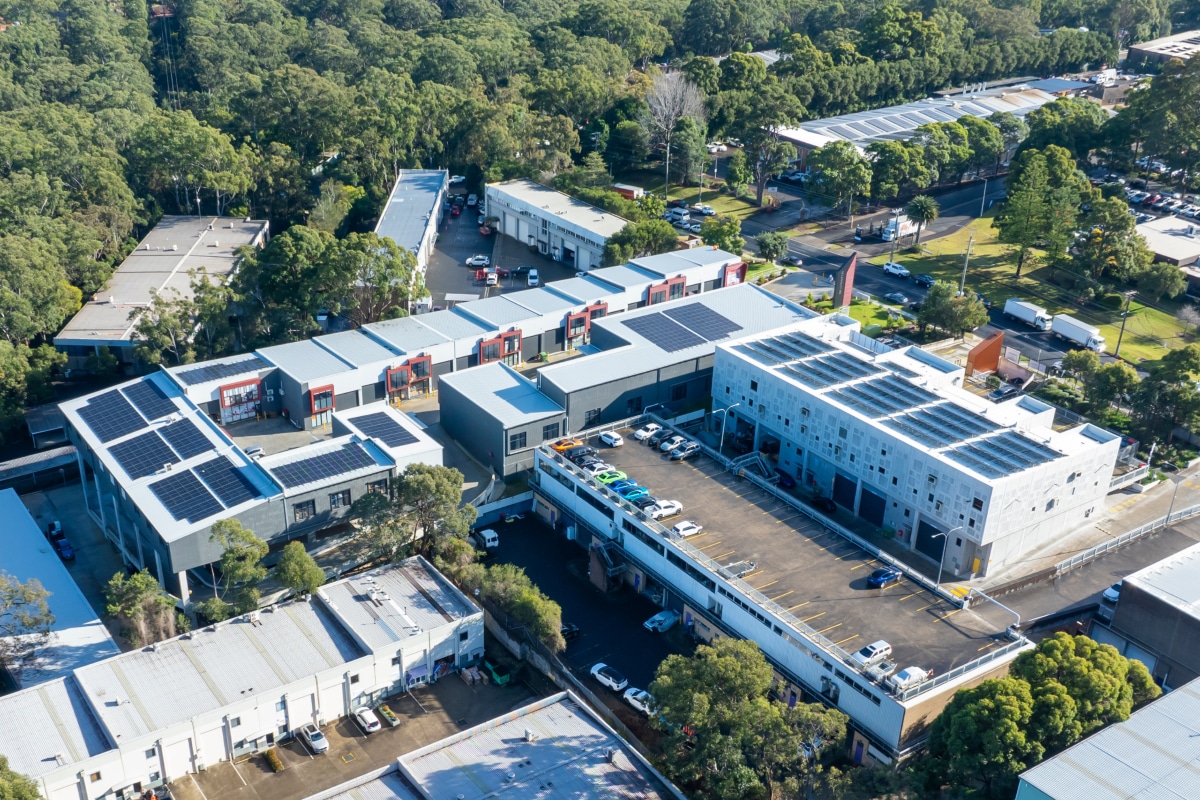
Energy Networks Australia reports that Australia has reached about one in three homes equipped with rooftop solar, totalling around 22GW of distributed generation. The industry body is now backing an expansion of the Small-scale Renewable Energy Scheme to push commercial solar uptake further.
Where this fits
Rooftop and commercial solar are cheap per megawatt-hour and have driven down marginal generation costs. But the SRES expansion targets a market already mature in residential take-up, addressing supply-side incentives rather than the grid's core constraint: firm dispatchable power. As distributed solar grows without corresponding firming capacity, the grid requires more gas peaking plant and larger transmission overbuild to manage weather-dependent output. This locks in dual infrastructure, renewable capacity and backup generation, that a firm alternative like nuclear would avoid entirely.
What it means
Australia is now committed to managing a grid where the largest source is weather-dependent, with nearly a quarter of installed capacity embedded in distributed systems that the network operator cannot fully dispatch. The cost of that architecture, transmission expansion, gas reserves, battery storage, and the supply chain dependencies those entail, is spread across bills and balance sheets but rarely totalled in policy debate. SRES expansion will accelerate this path without addressing the materials sovereignty question: panels, inverters, and batteries are manufactured in China on coal-fired grids, embedding emissions and strategic dependence that the SRES headline elides.
By the numbers
at ~A$1100–1600/kW installed. Source: CSIRO GenCost 2024-25. Indicative.
at a ~24% capacity factor, and only when the sun shines, so it still needs firming.
~80% of modules are China-made. Source: IEA solar supply-chain data.
enough for 14–33 TWh a year of firm, always-on power, generating for ~60 years. Source: CSIRO GenCost 2024-25 (A$8.5–13.2bn/GW), IAEA capacity factor.
Figures are indicative conversions from the article's stated quantity using published cost, material and capacity factors (CSIRO GenCost, BNEF, IEA, IAEA). Ranges, not precise forecasts.
Go deeper on the numbers
The bigger picture
Energy security is national security. This connects to the wider case at Unprepared: Australia's dependence on a strategic rival, and how ready it is for the world that is coming.

A Lie Told in the Rose Garden
On September 25, 2015, Xi Jinping promised in the White House Rose Garden that China would not militarise its artificial islands. Part VI of the Unprepared series.
Reported by Utility Magazine. Read the original report ↗
Related coverage
VIDEO: The gas industry "simply doesn't want to pay more tax" says think tank deputy director - ABC News & Headlines – Australian Broadcasting Corporation
Energy experts settle on contract design to help new wind, solar and battery storage projects get built - Renew Economy
Global transmission player Celtic Power to re-enter Australia - Energy Magazine
Gas giant wants rewrite of Labor’s plan before key vote - The Australian
The numbers, as they move
A short, sourced brief when the figures shift: a transmission blow-out, a supply-chain move, a milestone.