Work programme being planned for next year, as Paks II audit continues
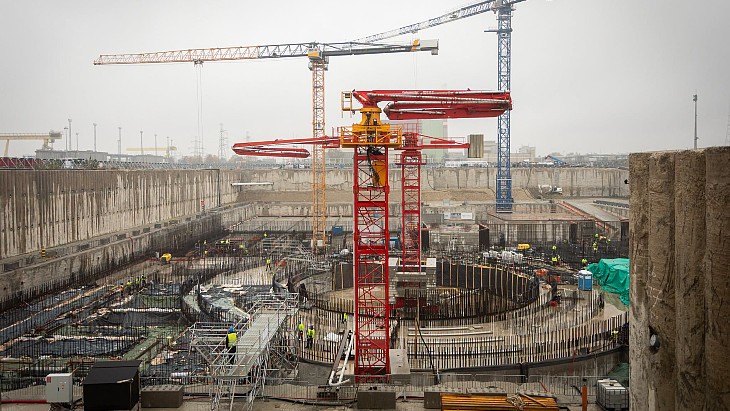
Hungary's government has launched a formal audit of the Paks II nuclear project while construction continues. The new Prime Minister, Peter Magyar, ordered the review after taking office in May, citing concerns during his election campaign that the price agreed for the new units was too high. Rosatom, the Russian state nuclear corporation building the plant, said the audit covers design, documentation, scheduling, financing, technology and legal aspects, with completion expected by year's end. First concrete was poured in February, before the government change.
Where this fits
This audit illustrates the political and financial fragility of large nuclear projects in Europe, particularly when they depend on Russian financing and construction. The cost blow-out that triggered the review reflects a pattern: big infrastructure projects face genuine price pressure, and nuclear is no exception. Where this matters for Australia is that Western nuclear construction has stalled precisely because of cost and scheduling risk, leaving the field to Russia and China, who can absorb delays and finance projects strategically. Australia banned nuclear by law while renewables are built at high whole-system cost with Chinese supply-chain dominance; this Hungarian story shows what happens when Western nations try to build nuclear without sovereign capability or long-term policy commitment.
What it means
Hungary is now locked in negotiation with Russia over a half-built reactor, unable to exit without sunk cost and unable to accelerate without accepting Moscow's terms. For Australia, the dependency question is inverted but no less acute: we have chosen to build a grid of Chinese panels and batteries, firmed by gas, rather than develop sovereign nuclear expertise and manufacturing. If cost discipline matters, and this audit proves it does, then the renewable path's reliance on offshore supply chains and weather-dependent firming is not a strength. It is a vulnerability disguised as affordability.
Go deeper on the numbers
The bigger picture
Energy security is national security. This connects to the wider case at Unprepared: Australia's dependence on a strategic rival, and how ready it is for the world that is coming.

A Lie Told in the Rose Garden
On September 25, 2015, Xi Jinping promised in the White House Rose Garden that China would not militarise its artificial islands. Part VI of the Unprepared series.
Reported by World Nuclear News. Read the original report ↗
Related coverage
Nuclear microreactor sparks energy debate - ABC News & Headlines – Australian Broadcasting Corporation
The line that Australia’s nuclear power ban was never properly debated is, frankly, bullshit
Queensland MP renews push to lift Australia nuclear moratorium after microreactor milestone - Traders Union
Ute-sized nuclear reactor reignites energy debate - ABC News & Headlines – Australian Broadcasting Corporation
The numbers, as they move
A short, sourced brief when the figures shift: a transmission blow-out, a supply-chain move, a milestone.