All editions
The Dispatch·Weekly edition

22–28 June 2026

A curated edition of the week's classified intelligence — the stories that moved Australia's preparedness across the eight pillars, and why each mattered.

93 stories · classified & human-curated

Australia · Energy

Qld government dumps plan to turn gold mine into pumped hydro

The cancellation of a major renewable energy project (2 million-home capacity) signals declining commitment to energy sovereignty and domestic generation resilience—a critical vulnerability in contested scenarios involving supply-chain disruption or naval denial. Queensland's retreat from infrastructure investment also reflects fiscal constraints that may impair broader defence-enabling industrial and energy projects.

ABC News·2026-06-28P2P8Full story
Alliance
U.S. Navy / Lt. j.g. Ever Garay (public domain)
Alliance

AUKUS Public Inquiry: Walyalup/Fremantle Public Hearing - Green Left

Public inquiry into AUKUS in Fremantle signals domestic parliamentary scrutiny of Australia's largest defence commitment, potentially surfacing cost, timeline, or capability concerns that affect pillar 7 (Alliance) confidence and pillar 6 (Maritime Defence) planning. A public hearing does not directly alter capability or spending but may generate political pressure on programme scope or pace.

GNews: AUKUS · 2026-06-28P6P7
Australia · Defence
Australia · Defence

In a Taiwan war, forces would need Darwin for medical support. We’re not preparing it

The article documents a concrete capability gap in Australia's Northern Arc medical infrastructure that directly affects coalition lethality and sustainment in a Taiwan kinetic scenario. Australia's 2026 Defence Strategy emphasises resilience and sovereign partnership, but the absence of formalised bilateral medical agreements, mass-casualty exercise architecture, and evacuation protocols indicates implementation lag that could degrade Australian force effectiveness and alliance credibility under pressure.

ASPI The Strategist · 2026-06-28P6P7
Alliance
U.S. Navy / MC2 Jeanette Mullinax (public domain)
Alliance

‘Twisted steel, shattered structures’: AUKUS inquiry warned of nuclear disaster risk - SMH.com.au

An AUKUS inquiry warning of nuclear disaster risk directly undermines confidence in the submarine programme's technical readiness and safety assurance—core to Pillar 6 (Maritime Defence) and Pillar 7 (Alliance). Delays, design rework, or loss of partner commitment would materially reduce operational submarine availability and erode US/UK commitment credibility at a moment when Australia's undersea deterrent is critical to regional balance.

GNews: AUKUS · 2026-06-28P6P7
Alliance
U.S. Navy / Lt. j.g. Ever Garay (public domain)
Alliance

"After Spending Hundreds of Billions of Dollars" AUKUS Shaken by Australia’s Humiliating Turn to Second-Hand Nuclear Submarines, as Questions Over U.S. Alliance Credibility Elevate the Strategic Role of South Korea and Japan - economy.ac

This pivot represents a material degradation of Australia's submarine modernisation timeline and operational capability, directly undermining Maritime Defence (Pillar 6) readiness against PLA expansion. The reported credibility questions around US/UK commitment to AUKUS delivery strike at the Alliance pillar (7) core, elevating strategic risk in a period of accelerating Chinese military modernisation.

GNews: nuclear submarine · 2026-06-27P6P7
Alliance
Alliance

U.S. military preparedness, presence growing in Australia - Indo-Pacific Defense FORUM

U.S. military expansion in Australia reinforces Pillar 7 (Alliance) credibility and Pillar 6 (Maritime Defence) posture by demonstrating sustained U.S. Indo-Pacific commitment and interoperability. This counters scenarios of American strategic retrenchment and strengthens AUKUS-adjacent force coordination, though it does not directly alter Australian sovereign capability metrics.

GNews: Australia defence · 2026-06-27P6P7
Alliance
Alliance

Nuclear subs: learning from South Korea - The Australian Naval Institute

AUKUS submarine procurement represents Australia's most critical maritime-defence modernisation and alliance commitment this decade. Learning from South Korea's operational nuclear-submarine experience directly reduces Australia's technical and industrial execution risk in standing up a credible nuclear submarine fleet.

GNews: nuclear submarine · 2026-06-27P6P7
China · Economy
China · Economy

China's critical metal imports soar 60% in push to control global supply

China's 60% surge in critical-metals imports while tightening export controls directly undermines Australian resource sovereignty and strategic decoupling. Australia risks dependency on Chinese-controlled supply chains for advanced defence manufacturing, AUKUS submarine electronics, and grid-resilience technology—narrowing pillar options if Taiwan kinetic or Hormuz closure scenarios activate.

Nikkei Asia · 2026-06-26P1P5P3
China · Military
China · Military

Has China Really Entered the Three-Carrier Era?

China's operational three-carrier fleet represents a step-change in PLA power-projection capacity in the Indo-Pacific, directly bearing on Australia's maritime defence posture (Pillar 6) and the stability of the regional security architecture on which Australian Alliance commitments (Pillar 7) and Northern Arc partnerships depend. The routine normalization of high-stakes carrier operations near Taiwan raises both the baseline military tension and the risk of escalation, narrowing Australia's strategic options and increasing pressure on AUKUS commitments.

The Diplomat · 2026-06-26P6P7P8
The rest of the week
Alliance· 32

Nuclear submarines: bolt-cutters to ensure Australia is never wrapped in chains - The Strategist | ASPI's analysis and commentary site

GNews: AUKUS · 2026-06-26source ↗P6P7

This ASPI strategic commentary directly supports the AUKUS nuclear submarine programme as Australia's primary hedge against Chinese coercion and regional hegemony. The framing of submarines as 'bolt-cutters' to prevent strategic encirclement reinforces political commitment to a multi-decade, high-cost capability central to Pillar 6 (Maritime Defence) and Pillar 7 (Alliance) resilience.

US, Australia vow joint response in cyber war - spacewar.com

GNews: cyber warfare · 2026-06-25source ↗P7P8

This signals deepening Alliance (Pillar 7) cyber interoperability with the US and strengthens Australia's Northern Arc posture (Pillar 8) against Chinese cyber-enabled coercion. Joint cyber doctrine and US-backed response capacity directly reduce Australia's strategic vulnerability to sustained infrastructure attack, a key mechanism through which authoritarian rivals seek strategic leverage without kinetic escalation.

US down to 1 Pacific aircraft carrier for last 22 weeks

Nikkei Asia · 2026-06-25source ↗P6P7P8

A sustained reduction in US carrier presence in the Pacific directly undermines the regional balance of power that underpins Australian security and AUKUS credibility. This signals potential constraints on US capacity to manage Indo-Pacific crises (Taiwan, Strait of Hormuz, or direct Australian contingencies) and raises questions about the durability of the alliance commitment to Australia's maritime defence.

Australia participates in Exercise RimPac 2026 - Australian Defence Magazine

GNews: ADF capabilities · 2026-06-24source ↗P6P7

RimPac participation demonstrates Australia's active role in multilateral Indo-Pacific security architecture and validates ongoing ADF interoperability with US and allied navies in a region critical to strategic competition with China. Consistent participation signals alliance resilience and operational readiness in contested waters, bolstering Pillar 7 (Alliance) and Pillar 6 (Maritime Defence) amid uncertainty over long-term US pivot commitment.

EU and Australia in pole-position to lead an inter-regional hybrid-threats framework

ASPI The Strategist · 2026-06-24source ↗P5P7P8

Establishes a new cross-regional mechanism linking Euro-Atlantic and Indo-Pacific security architecture against hybrid threats (cyber, disinformation, coercion), directly supporting Australia's decoupling from authoritarian statecraft and deepening non-traditional alliance pathways. Strengthens Australia's institutional resilience against PRC and Russian hybrid operations while formalizing EU strategic alignment with the Indo-Pacific, reducing Australia's exposure to isolated hybrid-threat vectors.

MQ-28 Ghost Bat Drone Debuts In Large-Force Combat Exercise In The Pacific

The War Zone · 2026-06-24source ↗P7P8

The MQ-28 Ghost Bat's integration into Valiant Shield 26 with ADF observer participation demonstrates deepening US-Australia interoperability on autonomous combat aircraft and validates Australia's pathway into next-generation coalition operations. This concrete exercise outcome strengthens the Alliance pillar and positions Australia operationally alongside cutting-edge US CCA doctrine in the Pacific, directly supporting AUKUS and US commitment to regional partnerships.

Pax Silica and Indo-Pacific Partners

The Diplomat · 2026-06-24source ↗P5P7P3

Pax Silica positions Australia within a US-led coalition to secure critical semiconductor and silicon supply chains—core to decoupling from China and maintaining advanced defence-industrial capacity. Australia's participation signals sustained US commitment to Indo-Pacific economic security architecture, reinforcing AUKUS foundations and reducing exposure to Chinese technological coercion.

ASIO reveals agency foiled foreign spy plot to steal AUKUS submarine secrets - The Australian

GNews: AUKUS · 2026-06-24source ↗P5P7P6

ASIO's successful counterintelligence operation against foreign espionage targeting AUKUS submarine secrets affirms Australia's vulnerability to state-sponsored technology theft and validates security protocols protecting the program. The foiled plot demonstrates both the strategic criticality of the submarine program to adversaries and Australia's active defensive posture, supporting AUKUS continuity despite security risks.

ASIO reveals new details on AUKUS espionage, warns of 'unprecedented threats' - Australian Broadcasting Corporation

GNews: ABC News · 2026-06-24source ↗P7P8

ASIO's disclosure of AUKUS espionage and unprecedented threat warnings directly signals vulnerability in Australia's most critical alliance pillar and the submarine program that underpins long-term maritime deterrence. The revelation of active foreign intelligence operations against AUKUS raises confidence risks in technology transfer, program security, and allied cohesion—all foundational to Australia's strategic posture against Chinese power projection.

WA enlists UK AI unicorn to chase mega defence boom - The West Australian

GNews: AUKUS · 2026-06-23source ↗P3P7

Engagement of a UK AI unicorn by Western Australia for defence applications signals deepening AUKUS Pillar II technology collaboration and growth in Australia's advanced-manufacturing defence industrial base. This reinforces allied technological integration but introduces dependency on UK capability delivery and creates an AI military disruption risk vector if the vendor or technology is compromised.

‘Animated by nostalgia’: Labor senator slams luminaries over AUKUS - The Age

GNews: AUKUS · 2026-06-23source ↗P7P3

Public criticism of AUKUS by a Labor senator signals potential political fracture within Australia's governing coalition on the alliance pillar and the submarine industrial base. Domestic political consensus erosion on AUKUS could weaken Australia's negotiating position with UK/US partners and delay or destabilise the submarine acquisition timeline critical to Maritime Defence.

RAAF joins US-led Exercise Valiant Shield 26 - Australian Aviation

GNews: Australia defence · 2026-06-23source ↗P6P7

RAAF participation in Valiant Shield 26 demonstrates active US-Australia military interoperability and commitment to regional deterrence in the Indo-Pacific, reinforcing alliance cohesion and maritime defence posture. The exercise signals continued US engagement in the region and Australia's role as a core partner in great-power competition against China.

How the Quad Can Deliver in a New Strategic Era

The Diplomat · 2026-06-23source ↗P7P8

The Quad's institutional fracture—absent leaders' summit since Sept 2024, India-US tensions under Trump 2.0, and divergent strategic outlooks on Iran/Ukraine—signals erosion of the multilateral architecture Australia depends on to balance Chinese power in the Indo-Pacific. Loss of annual summits and coherence failures reduce the Quad's capacity to coordinate responses to Taiwan crises, PLA expansion, or supply-chain disruptions affecting Australian trade and security.

Coherence? One Nation would bulldoze Australian foreign policy

Lowy Institute · 2026-06-23source ↗P7P8

One Nation's political rise threatens coherent execution of Australia's alliance and Indo-Pacific strategy, directly risking the diplomatic and strategic consensus required to sustain AUKUS, Quad engagement, and unified posture against Chinese power projection. Policy incoherence or abandonment of alliance commitments would degrade Pillar 7 (Alliance) and Pillar 8 (Northern Arc) resilience and increase the probability of cascading strategic isolation.

How the US military footprint in Australia is growing - The Week

GNews: Australia defence · 2026-06-23source ↗P6P7

Expanding US military footprint in Australia directly reinforces the Alliance pillar and signals sustained US commitment to Indo-Pacific deterrence, reducing near-term risk of American withdrawal or AUKUS collapse. However, the article's relevance depends on whether it substantively addresses AUKUS submarine delivery, Australian defence capability integration, or concrete force-posture changes affecting Australia's strategic position—generic US military expansion stories without explicit Australian bearing are classified lower.

An Australian View of the New Trump Iran Deal

The Diplomat · 2026-06-23source ↗P2P5P7

A US–Iran peace framework reduces near-term Hormuz closure risk and mitigates acute fuel-price and supply-chain shocks to Australia's economy and defence operations. However, the article signals 6+ months to normalise oil flows and longer for LNG—highlighting Australia's persistent vulnerability to Middle Eastern geopolitical disruption and the need for sovereign fuel reserves and decoupling strategies.

Poll shows over half of Australians see China ties more important than US ties; economic realities outweigh security narratives in public perceptions: Chinese expert - Global Times

GNews: China Australia · 2026-06-23source ↗P7P5

Public perception polling showing majority Australian preference for China economic ties over US security ties directly threatens the political sustainability of AUKUS, the Alliance pillar, and strategic decoupling efforts. If Australian domestic opinion shifts decisively toward China engagement, government willingness to fund defence procurement, accept nuclear submarines, or maintain integrated allied posture could erode, undermining long-term preparedness infrastructure.

Australians see China more as partner than threat as confidence in US sinks - Nikkei Asia

GNews: China Australia · 2026-06-23source ↗P7P8

A shift in Australian public perception away from the US alliance and toward China accommodation directly undermines the domestic political foundation for AUKUS delivery, regional defence investment, and alliance cohesion. This mood is a leading indicator of alliance fragility and creates political space for Jakarta or Pacific island nations to hedge toward Beijing without domestic Australian pushback.

2 navies, similar problems, different solutions: Canada and Australia’s diverging submarine futures - defenceconnect.com.au

GNews: nuclear submarine · 2026-06-23source ↗P6P7

The article directly compares Australian and Canadian submarine acquisition strategies within the AUKUS/allied procurement ecosystem, illuminating how different partners are solving similar capability gaps. Australia's AUKUS path (US/UK attack-class subs) versus Canada's divergent approach provides insight into alliance commitment depth and industrial feasibility that bears on Pillar 6 (Maritime Defence) and Pillar 7 (Alliance) sustainability.

Australia returns for Exercise Valiant Shield 2026 - Australian Defence Magazine

GNews: Australia defence · 2026-06-23source ↗P6P7

Australia's return to Valiant Shield 2026 demonstrates sustained interoperability with the US-led coalition in the Indo-Pacific and reinforces alliance cohesion at a time of strategic uncertainty. The exercise directly supports Pillar 7 (Alliance) readiness and validates ADF integration into regional security architecture, particularly critical for AUKUS credibility.

Labor ‘confident’ on AUKUS despite UK turmoil - Yahoo News Australia

GNews: AUKUS · 2026-06-22source ↗P7P6

Australian Labor's public confidence statement on AUKUS continuity despite UK political/defence instability is a direct signal of alliance commitment and helps calibrate risk around the submarine-acquisition pillar and broader Pillar 7 (Alliance) robustness. UK turmoil could threaten attack-submarine design transfer, industrial partnership, or funding alignment; the article's framing of Australian confidence (not complacency) matters for tracking whether AUKUS Phase I delivery timelines remain credible.

Can Quad break China’s mineral monopoly amid US-India rift?

South China Morning Post · 2026-06-22source ↗P1P5P7

Australia is a Quad member and critical-minerals partner; Quad success in diversifying supply chains directly reduces Australia's strategic dependence on Chinese mineral processing and supply-chain monopolies—core to Resource Sovereignty (Pillar 1) and Decoupling (Pillar 5). However, US-India tensions risk weakening the bloc's cohesion, which could delay Australia's access to coordinated alternative supply routes and allied investment in critical-minerals processing.

AUKUS: Support holds firm for the defence deal - Lowy Institute

GNews: AUKUS · 2026-06-22source ↗P7P6

Sustained public and political support for AUKUS is critical to Australia's deterrent posture and alliance credibility; public backing strengthens government commitment to the submarine program and hedges against political reversals. This signals alliance resilience (Pillar 7) and reinforces the rationale for maritime defence investment (Pillar 6), though it does not itself deliver capability.

US couldn’t repair battle-damaged ships in war with China, study finds

Defense News · 2026-06-22source ↗P6P7

RAND's finding that the US Navy lacks repair capacity and surge logistics for a Taiwan war directly undermines the US ability to sustain operations in defence of Taiwan and protect allied navies including Australia's. This exposes a critical vulnerability in AUKUS Pillar II commitments and Alliance (Pillar 7) credibility: if US naval forces cannot regenerate combat power in theatre, Australian submarines and surface vessels operating alongside them face increased attrition risk and reduced allied naval mass during the decisive phase of a Taiwan conflict.

Australians have record-low trust in the United States, new poll finds - Australian Broadcasting Corporation

GNews: ABC News · 2026-06-22source ↗P7

Eroding public trust in the United States weakens the domestic political foundation for Australia's core alliance strategy and AUKUS commitment, creating vulnerability to strategic decoupling pressure. Record-low confidence signals potential future friction over defence funding, submarine procurement timelines, and burden-sharing—critical during a period when alliance cohesion is essential to offset Chinese power growth.

Australian public cooling on Trump’s US while thawing on China, survey finds - South China Morning Post

GNews: China Australia · 2026-06-22source ↗P7P8

Erosion of public support for the US alliance during the Trump era undermines the political foundation for AUKUS commitment and Australia's alliance posture at a critical moment of strategic competition with China. Concurrent warming toward China signals potential fracturing of domestic consensus on decoupling and strategic autonomy, weakening resolve for defence investment and industrial base hardening.

Trust in US at record low under Trump as Australians warm to China - AFR

GNews: China Australia · 2026-06-22source ↗P7P8

Declining Australian public trust in the US alliance undermines political sustainability of AUKUS, defence spending commitments, and forward-deployed intelligence/logistics cooperation at a critical juncture. Warming sentiment toward China may erode domestic support for strategic decoupling and increase political vulnerability to Chinese economic coercion.

A tiny fleet of nuclear subs comes at the cost of a weaker Australian military - Strategic Analysis Australia

GNews: Australia defence · 2026-06-22source ↗P2P3P6P7

The article directly challenges the AUKUS nuclear-submarine investment strategy by arguing that concentrated spending on a small fleet degrades broader ADF operational readiness and force posture. This touches the core trade-off between a single strategic platform and overall maritime and expeditionary capability—critical to Australia's Pillar 6 (Maritime Defence) and Pillar 7 (Alliance) credibility.

Sub flood survivors call on next generation to join AUKUS crews - The Australian

GNews: AUKUS · 2026-06-22source ↗P6P7

The article signals continued momentum in the AUKUS submarine program and ADF's ability to recruit specialist personnel for new-generation boats, supporting Pillar 6 (Maritime Defence) capability. Public recruitment campaigns from submarine veterans reinforce domestic political and workforce commitment to AUKUS delivery timelines.
Australia · Defence· 16

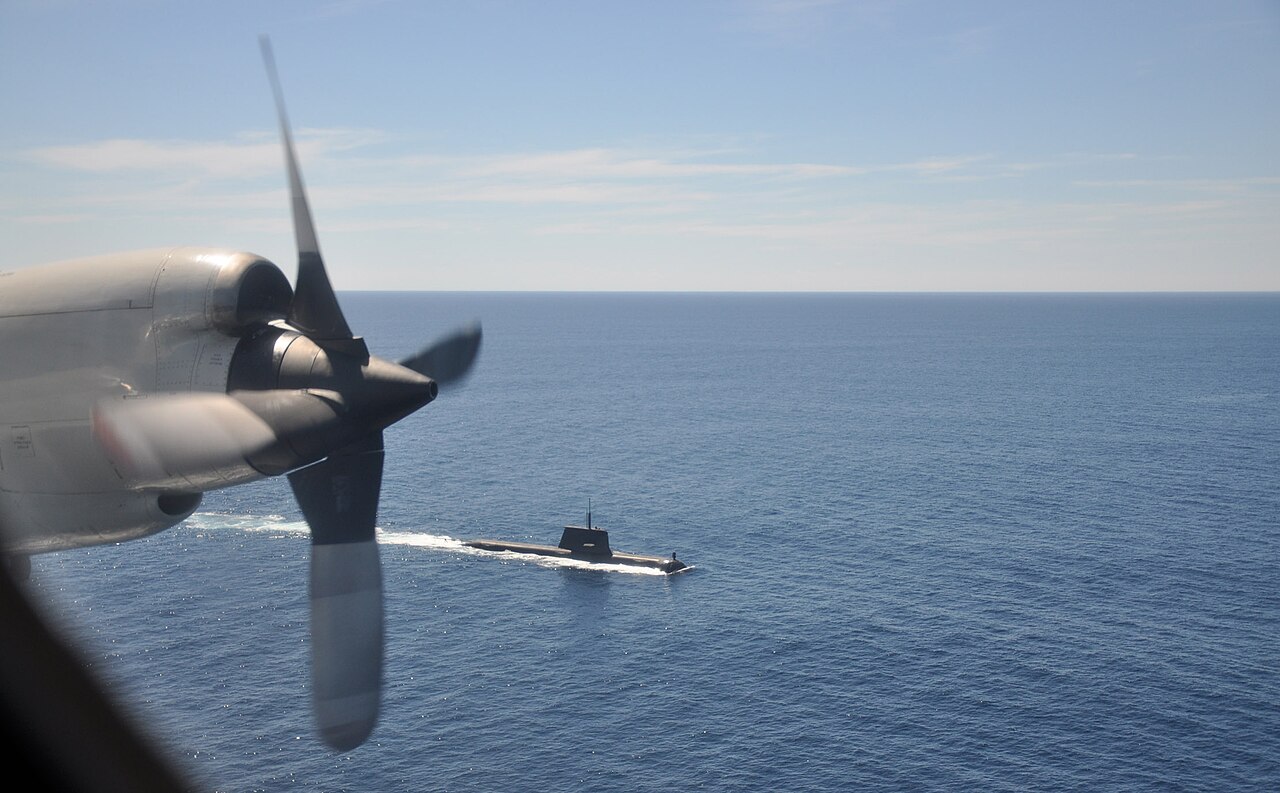
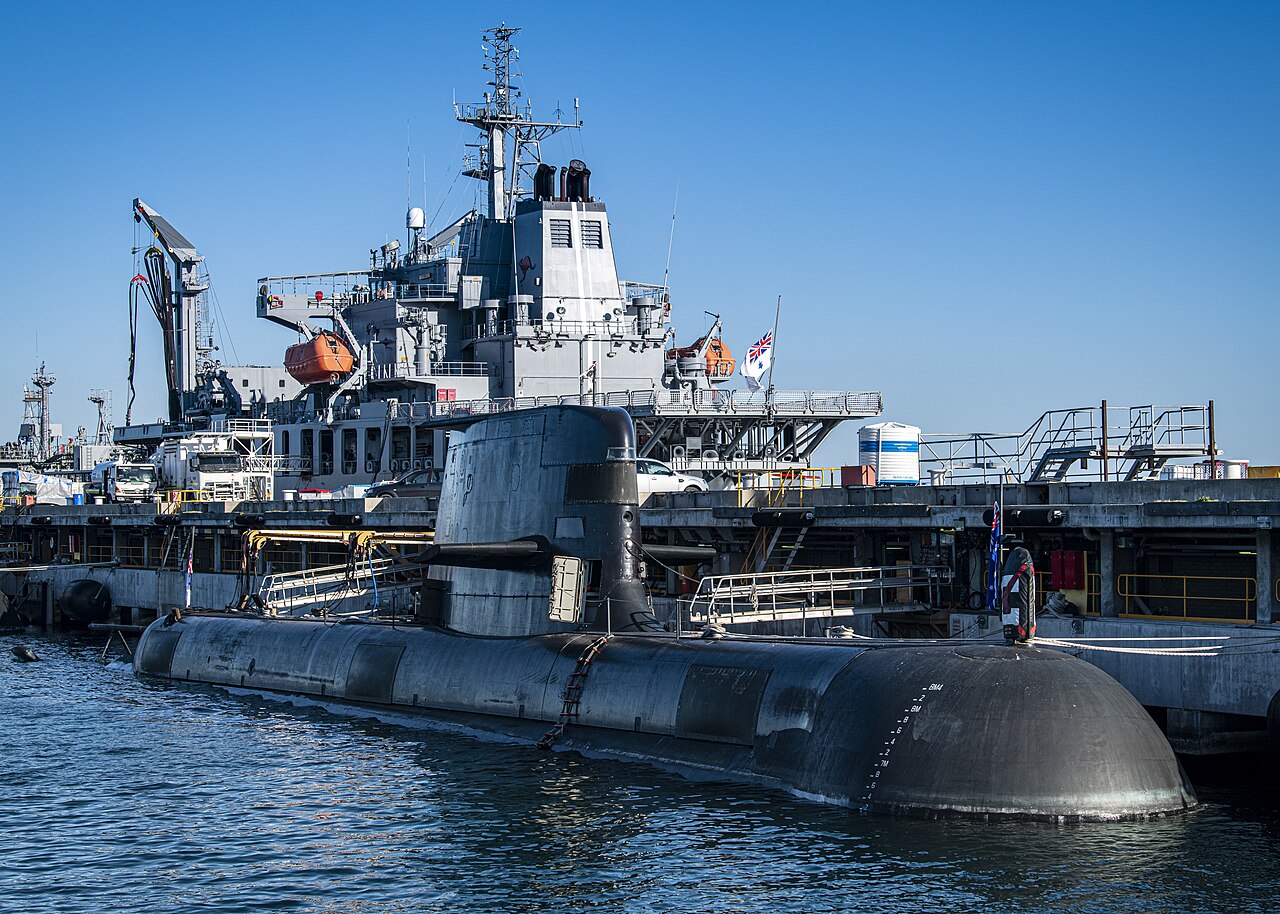
How Australian SSNs will fit into multi-domain deterrence - The Strategist | ASPI's analysis and commentary site

GNews: AUKUS · 2026-06-26source ↗P6P7

This ASPI analysis examines how Australian SSNs operationally support multi-domain deterrence strategy, directly bearing on Pillar 6 (Maritime Defence) capability and Pillar 7 (Alliance) integration with AUKUS partners. The article signals strategic doctrinal clarity around Australia's submarine posture, reinforcing the AUKUS attack-submarine programme's role in regional deterrence architecture.

How Australian SSNs will fit into multi-domain deterrence

ASPI The Strategist · 2026-06-26source ↗P6P7

The incoming Chief of Defence Force explicitly positions Australian SSNs as the apex strategic deterrent in multi-domain defence, validating AUKUS submarine investment and reinforcing Australia's commitment to the capability despite multi-year delays. This rhetorical and strategic emphasis on SSN denial posture directly supports Pillar 6 (Maritime Defence) and Pillar 7 (Alliance) readiness against PLA power projection and Taiwan contingency.

Australia will increasingly use spiral development in defence – Conroy - The Strategist | ASPI's analysis and commentary site

GNews: Australia defence · 2026-06-25source ↗P3P2

Spiral development is a risk-mitigation and schedule-acceleration approach that directly addresses Australia's historical defence-procurement delays and cost overruns. Adoption by Defence Minister Conroy signals institutional pivot toward agile methodology, improving the likelihood that AUKUS submarine transfer and other major capability programs remain on track and within budget constraints.

Australia will increasingly use spiral development in defence – Conroy

ASPI The Strategist · 2026-06-25source ↗P3P6

Australia's formal adoption of spiral development across defence acquisition (exemplified by Land 156 counter-drone project and MQ-28 Ghost Bat bi-annual design cycles) signals a shift toward adaptive, faster-cycle procurement suited to rapid technological change and Chinese military modernisation. This institutional reform improves Industrial Base (Pillar 3) resilience and Maritime Defence (Pillar 6) agility, though impact remains conditional on sustained funding and inter-service execution.

Aussie ‘mood’ for war ‘about where it should be’: Marles - The Australian

GNews: The Australian · 2026-06-25source ↗P2P7

Defence Minister Marles's assessment of public appetite for defence spending signals political feasibility of sustained fiscal commitment to pillars 2 and 7 (Fiscal Engine and Alliance). Public mood calibration is a leading indicator of willingness to sustain AUKUS, defence procurement, and military posture—but the article provides no concrete policy shift, funding announcement, or capability milestone.

Done right, Defence West will align WA industry with federal Defence priorities

ASPI The Strategist · 2026-06-24source ↗P3P1

Institutional elevation of Defence West as a statutory authority strengthens Australia's defence industrial base by improving state-federal coordination on critical manufacturing, shipbuilding, critical minerals, and energy infrastructure—all strategic prerequisites for AUKUS delivery and sustained military capability. Enhanced integration of WA's defence industry with national strategy directly addresses Industrial Base and Resource Sovereignty pillars essential to strategic autonomy.

The ADF is integrating AI faster than it can govern it - The Strategist | ASPI's analysis and commentary site

GNews: Australia defence · 2026-06-24source ↗P3P7

The ADF's acceleration of AI adoption without adequate governance frameworks creates operational and strategic risk, potentially undermining force readiness and inter-allied coordination confidence in AUKUS and Five Eyes partnerships. Governance gaps in AI integration could delay critical capability delivery and expose the ADF to adversarial exploitation of unvetted systems.

The ADF is integrating AI faster than it can govern it

ASPI The Strategist · 2026-06-24source ↗P3P8

The article identifies a critical asymmetry: Australia is embedding AI into core defence systems (theatre command, uncrewed platforms, cyber) with A$53–72 billion committed, but lacks governance scaffolding to manage escalation thresholds or audit high-stakes outputs. This gap directly undermines the 'deny, degrade, deter' posture that depends on controlled decision speed and maintains allied confidence in Australian C2.

Concerns raised about WA worker shortages amid vocational training drop

ABC News · 2026-06-23source ↗P3P4

Vocational training collapse in Western Australia signals a deteriorating industrial base and skills pipeline critical to sustaining defence manufacturing, shipbuilding (including AUKUS submarine support), and critical-infrastructure resilience. The 11.5% decline in apprenticeships—driven by low trainee wages and reduced employer investment—undermines Pillar 3 (Industrial Base) and Pillar 4 (Demographics), weakening Australia's capacity to build and maintain military hardware and respond to sustained Pacific security crises.

Today’s News Headlines: Australia lands largest defence export in history - The Australian

GNews: The Australian · 2026-06-23source ↗P3P2P7

A major defence export win signals growing Australian defence industrial capacity and export competitiveness, strengthening Pillar 3 (Industrial Base) and revenue streams to fund future capability. This enhances Australia's strategic autonomy and alliance value while demonstrating industrial-base maturity relevant to AUKUS and regional security partnerships.

The Defence estate audit should inform decisions, not determine them

ASPI The Strategist · 2026-06-22source ↗P3P6

The article flags governance risk in Australia's defence infrastructure rationalisation at a critical juncture when the Indo-Pacific environment demands enhanced deterrence and resilience. Hasty divestment of strategically-positioned Defence estate without transparent assessment risks cumulative degradation of force-generation capacity, training infrastructure, and mobilisation enablement precisely when Australia's industrial base and forward posture require reinforcement.

Australia, Canada sign $1.75B agreement for Over the Horizon Radar system

Breaking Defense · 2026-06-22source ↗P3P7

Australia's export of its indigenously developed JORN over-the-horizon radar to Canada ($2.5B AUD) signals strengthening defence industrial capacity and demonstrates monetizable advanced-technology capability, validating local defence manufacturing competence. The deal reinforces the Five Eyes alliance and Australia's position as a trusted defence-technology partner, supporting strategic autonomy in critical sensor systems while generating revenue that can offset defence R&D costs.

Lowy Poll 2026: Australia’s nuclear taboo is under scrutiny

Lowy Institute · 2026-06-22source ↗P1P6P7P8

Lowy polling data on shifting Australian public attitudes toward nuclear weapons signals eroding confidence in conventional deterrence and alliance guarantees, implying potential future pressure on defence policy and strategic posture. This reflects strategic anxiety about gaps in Australian maritime defence and questions about US commitment credibility (Pillar 7), which could affect defence procurement priorities and nuclear-power energy debates.

AUKUS waste is a toxic topic. The Albanese government wants it kept quiet - Crikey

GNews: AUKUS · 2026-06-22source ↗P6P7

AUKUS waste controversy signals potential programme mismanagement and erodes public/political confidence in Australia's largest defence acquisition, directly threatening pillar 6 (Maritime Defence) capability realisation. Government opacity on waste raises questions about AUKUS sustainability and Alliance (pillar 7) credibility if capability delivery falters or costs spiral.

Defence Australia puts data at core of national security - IT Brief Australia

GNews: Australia defence · 2026-06-22source ↗P3P7

Data-centric defence strategy directly supports Australia's industrial base modernisation and operational resilience, particularly against cyber and AI-enabled threats. Investing in data infrastructure strengthens Australian autonomous decision-making capability and reduces vulnerability in contested military operations.

China · Military· 12

New Zealand internal report warns of Chinese military forays in Pacific - France 24

GNews: PLA navy · 2026-06-26source ↗P7P8

New Zealand's internal assessment of Chinese military forays in the Pacific signals expanding PLA operational reach and strategic positioning in Australia's near region, directly affecting the Indo-Pacific balance and Alliance cohesion. This reinforces the strategic rationale for AUKUS and regional security coordination but also highlights the pace of Chinese military expansion relative to Australian and allied response capacity.

NZ internal report warns of Chinese military forays in Pacific - The Australian

GNews: PLA navy · 2026-06-26source ↗P6P7P8

Chinese military operations in the Pacific directly challenge Australia's strategic position in the Indo-Pacific, particularly regarding the Northern Arc (Pillar 8) and Alliance cohesion (Pillar 7). NZ's formal intelligence warning signals allied consensus on PLA expansion and underscores the need for Australian Maritime Defence (Pillar 6) and AUKUS cooperation to counter regional power concentration.

US, UK, France, Germany raise alarm about Chinese patrols off eastern Taiwan

Defense News · 2026-06-24source ↗P5P6P7P8

Chinese Coast Guard and naval expansion in the Taiwan Strait signals Beijing's willingness to increase coercive maritime operations and normalize military presence near Taiwan, raising the risk of accidental escalation or kinetic confrontation. This directly impacts Australia's Indo-Pacific strategic environment, alliance cohesion (US, UK, France, Germany demonstrating commitment to freedom of navigation), and the calculus around Taiwan contingency planning that underpins AUKUS and regional deterrence.

‘Knife fight’: Vanuatu to sign security deal. China is watching - The Australian

GNews: The Australian · 2026-06-24source ↗P5P7P8

China's deepening security footprint in the Pacific Islands directly threatens Australia's strategic depth and constrains alliance optionality in the Northern Arc. Vanuatu's willingness to negotiate competing security arrangements signals erosion of Australia's regional diplomatic leverage and foreshadows potential denial of bases, intelligence cooperation, or maritime access critical to Indo-Pacific deterrence.

Taiwan Budget Calls for $6.6B for Attack Drones, Unmanned Surface Vessels

USNI News · 2026-06-24source ↗P6P7P8

Taiwan's $6.6B investment in 200,000+ unmanned systems strengthens island air-and-maritime defence, raising the cost and complexity of any Chinese kinetic scenario and indirectly improving Australia's strategic position by reducing likelihood of Taiwan coercion or rapid fall. This defensive posture supports the Taiwan contingency stability that underpins AUKUS and Australia's Indo-Pacific security architecture.

China Now Leads World Submarine Construction

Naval News · 2026-06-24source ↗P5P6P8

China's accelerating submarine production—launching twice as many units as any competitor—directly threatens Australia's undersea deterrent capability and Indo-Pacific naval balance as AUKUS delays persist. This widening PLA submarine advantage compounds pressure on Australia's Decoupling (Pillar 5) and Maritime Defence (Pillar 6) posture, elevating Taiwan contingency and regional denial scenarios.

Taiwan Warns China Attack Response Time Is Shrinking Amid Rising Military Pressure - Modern Diplomacy

GNews: Taiwan conflict · 2026-06-24source ↗P5P6P7P8

Rising PLA pressure and compressed Taiwan response timelines directly threaten the Indo-Pacific balance on which Australia's security posture depends; a Taiwan contingency would trigger AUKUS commitments and force Australia into the kinetic scenario it is least prepared for. This validates the urgency of Australian submarine acceleration, maritime defence, and northern-arc positioning.

China’s Liaoning Carrier Conducts 170 Fighter Sorties in Western Pacific, Expanding PLAN Blue-Water Power Projection Beyond First Island Chain - Defence Security Asia

GNews: PLA navy · 2026-06-24source ↗P6P7P8

China's demonstrated ability to sustain carrier strike operations in the western Pacific—a core Indo-Pacific theatre—directly erodes the military balance Australia depends on for deterrence and alliance credibility. This capability expansion narrows Australia's strategic margin and increases the likelihood of a high-intensity Taiwan scenario, which would directly threaten Australian interests and AUKUS commitments.

Return to the top: China’s LineShine beats US El Capitan in Top500 supercomputer rankings

South China Morning Post · 2026-06-23source ↗P5P8

China's achievement of exascale supercomputing using only CPUs signals advancing indigenous HPC and AI capability—critical for military modelling, weapons design, cyber operations, and autonomous systems. Australia faces a widening technological gap in computational capacity relative to the PLA, weakening decoupling efforts and increasing reliance on AUKUS partners for AI-enabled defence systems.

Chinese military expands its underwater predator fleet - ANI News

GNews: PLA navy · 2026-06-23source ↗P6P7P8

PLA submarine expansion directly widens the capability gap that Australian undersea defence—critically dependent on delayed AUKUS SSN deliveries—must eventually overcome. This reinforces Australia's vulnerability in Maritime Defence (Pillar 6) and underscores the strategic imperative of AUKUS acceleration and Alliance credibility (Pillars 7–8).

China’s Liaoning Carrier Strike Group Concludes 40-day Deployment to South China, Philippine Seas - USNI News

GNews: PLA navy · 2026-06-22source ↗P6P7P8

China's sustained carrier-group operations in the South China Sea and Philippine waters demonstrate expanding operational reach and normalisation of high-intensity naval presence in Australia's critical Indo-Pacific neighbourhood. This capability projection directly threatens sea-lane security, Taiwan stability, and the regional balance upon which Australian trade, energy transit, and alliance architecture depend.

Can China’s latest air-to-air missile take on its US equivalent? Definitely maybe, experts say.

Defense News · 2026-06-22source ↗P6P7P8

PLA's PL-16 BVR missile with 200–300 km range and dual-pulse technology threatens allied airborne early-warning, tanker, and reconnaissance platforms—critical force-multipliers for Australian and US operations in the Indo-Pacific. Erosion of allied air-superiority margin in potential Taiwan or South China Sea conflict directly undermines Australia's deterrence posture and AUKUS air-defence integration.

China · Economy· 11

China 'most influential' in Pacific despite massive Australian aid hand-out - Australian Broadcasting Corporation

GNews: ABC News · 2026-06-25source ↗P5P7P8

Australia's inability to match Chinese soft-power and economic influence in the Pacific Islands despite aid expenditure signals a weakening of Australia's regional positioning in Pillar 8 (Northern Arc/Indo-Pacific). This directly threatens Pillar 7 (Alliance) by eroding Australia's capacity to shape regional security architecture and may accelerate Pillar 5 (Decoupling) exposure, as Pacific states increasingly orient toward Chinese economic and strategic partnerships.

Fortescue abruptly parts with president in China - The Australian

GNews: The Australian · 2026-06-23source ↗P1P5

Fortescue's abrupt departure of its China president signals potential deterioration in Australia's largest resource-export relationship and friction within a key revenue engine for sovereign wealth accumulation. Leadership instability at Australia's major iron-ore exporter during a period of elevated China-Australia tensions weakens Pillar 1 (Resource Sovereignty) resilience and complicates decoupling strategy execution.

Rare Earths

China Talk · 2026-06-23source ↗P1P3P5

Australia's dependence on China for processed rare earths and critical minerals represents a critical vulnerability in defence, AI, and energy sectors. The article's framing of China's supply-chain dominance as deliberate economic coercion directly elevates Pillar 1 (Resource Sovereignty) and Pillar 5 (Decoupling) risks, signalling that passive market exposure leaves Australia exposed to weaponized mineral denial in a kinetic or economic crisis.

China pays price for 'Ponzi scheme'-driven property boom

Nikkei Asia · 2026-06-23source ↗P2P5

China's property-sector crisis—characterised as a Ponzi scheme by industry insiders—signals deepening structural economic weakness that constrains PLA modernisation budgets and reduces likelihood of aggressive Chinese adventurism against Taiwan or the Indo-Pacific in the medium term. Economic stress in China increases relative Australian strategic advantage and reduces pressure on AUKUS partners to withdraw support, improving Australia's fiscal and decoupling position.

China Flexes Its Rare-Earth Muscle—Again 

Foreign Policy · 2026-06-22source ↗P1P5P7

China's weaponization of rare-earth supply chains directly threatens Australian critical-mineral sovereignty and defence industrial independence, particularly for advanced electronics in AUKUS platforms and allied defence systems. The precedent signals Beijing's readiness to exploit supply-chain leverage against Western defence-industrial complexes, forcing Australia to accelerate domestic rare-earth processing and secure alternative supply chains outside China to maintain operational submarine, missile, and sensor programmes.

US-China rare earth clash 2.0? Fragile truce tested as tit-for-tat moves return

South China Morning Post · 2026-06-22source ↗P1P3P5

China's escalating rare-earth export controls signal willingness to weaponise critical-mineral supply chains in great-power competition, directly threatening Australia's resource-sovereignty position and industrial-base resilience. Australia relies on secure access to rare earths for defence manufacturing, renewable energy, and advanced electronics; renewed US-China trade friction raises risks of supply-chain disruption and reinforces the strategic imperative for Australian decoupling and domestic critical-mineral processing capacity.

China: Australians warming again to China as economic partner - Lowy Institute

GNews: China Australia · 2026-06-22source ↗P5P7

Shifting Australian public sentiment toward China as an economic partner may undermine political support for strategic decoupling initiatives (Pillar 5) and reinforce economic dependence on China trade despite prior bipartisan consensus on de-risking. This sentiment drift weakens the domestic mandate for diversification away from Chinese markets and supply-chain resilience, complicating long-term resource sovereignty and fiscal stability.

Who’s Winning Southeast Asia’s De-risking Race?

The Diplomat · 2026-06-22source ↗P3P5

China's first-ever net negative FDI ($170B outflow in 2024) signals structural decoupling of global supply chains from China, reducing Beijing's economic leverage and long-term industrial capacity. For Australia, this accelerates demand for Indo-Pacific alternatives to Chinese inputs and increases regional demand for Australian resources, supporting Pillar 5 (Decoupling) and Pillar 3 (Industrial Base) resilience.

Critical Mineral Security: The Endgame

China Talk · 2026-06-22source ↗P1P5P7

The article demonstrates China's demonstrated willingness and capability to weaponise critical mineral exports—a vulnerability that directly threatens Australia's defence industrial base, AUKUS supply chains, and broader Indo-Pacific security. Australia faces identical exposure to US supply-chain disruption via China leverage on rare earths, gallium, germanium, and graphite essential for advanced weapons, submarines, and electronic systems.

China puts Rinehart-backed rare earths producer on export control list - AFR

GNews: AFR · 2026-06-22source ↗P1P5P3

China's export-control action against an Australian rare-earths producer (Rinehart-backed) demonstrates Beijing's willingness to weaponize critical-mineral supply chains against Australian economic actors, directly threatening Australia's resource sovereignty and strategic decoupling from China. This accelerates Australia's vulnerability in rare-earths supply and reinforces the urgency of domestic processing and alternative supply-chain development to reduce dependency on Chinese control of downstream rare-earth capabilities.

Japan chipmaking equipment suppliers report 10% drop in China sales

Nikkei Asia · 2026-06-22source ↗P3P5

China's successful decoupling from Japanese chipmaking equipment suppliers signals accelerating strategic autonomy in semiconductors—a critical technology for PLA modernisation and AI-enabled military systems. For Australia, this reinforces the urgency of Pillar 5 (Decoupling) and Pillar 3 (Industrial Base) strategies: Australian reliance on semiconductor supply chains and advanced manufacturing inputs remains exposed as China reduces its own dependencies.

Australia · Energy· 5

India’s Critical Mineral Challenge in a New Global Resource Order

The Diplomat · 2026-06-25source ↗P1P3P5

Australia's economy and defence industrial base depend heavily on exporting raw critical minerals (lithium, rare earths, cobalt) to China and allies. The article's emphasis on controlled supply chains and 'critical mineral mercantilism' signals that competitors will seek to capture downstream processing and manufacturing—reducing Australia's pricing power and sovereign industrial capacity. If Australia cannot secure processing and manufacturing of critical minerals domestically, it will remain a raw-material exporter vulnerable to geopolitical leverage and supply-chain disruption in wartime or strategic competition.

Reframing uranium: energy security and Australia’s critical minerals future - Corrs Chambers Westgarth

GNews: critical minerals · 2026-06-24source ↗P1P2P5

Uranium leverages Australia's vast resource sovereignty and positions critical-mineral extraction as a strategic hedge against energy security risks and potential supply-chain decoupling from China. Nuclear capacity expansion directly addresses fiscal and industrial resilience in a contested Indo-Pacific, reducing reliance on volatile energy imports and strengthening long-term deterrence economics.

Toyota to slash even more output abroad as Iran war crimps demand

Nikkei Asia · 2026-06-23source ↗P1P2P5

The Strait of Hormuz de facto closure demonstrates vulnerability in Australia's critical energy supply chain; ~40% of Australia's oil imports transit Hormuz, and sustained disruption drives fuel price escalation that degrades fiscal buffers and manufacturing competitiveness. This validates core scenarios (hormuz_closure, energy_grid_failure) and signals that resource sovereignty (Pillar 1) and fiscal resilience (Pillar 2) face real-time stress from geopolitical friction in chokepoint regions critical to Australian supply.

Residents worried about dramatic increase to Menindee Lakes water release

ABC News · 2026-06-22source ↗P1P2

Australia's freshwater reserves are critical to sustaining defence operations, power generation, and fuel production during extended regional conflict or logistics disruption. The dramatic decline in Menindee Lakes capacity (from 1,516 GL to 557 GL in 8 months) and aggressive water-release policy signal accelerating resource stress that directly constrains operational diesel/jet fuel reserves and manufacturing resilience—both core pillars of strategic sovereignty.

A year on: food security preparedness is just beginning

ASPI The Strategist · 2026-06-22source ↗P1P2P5

The article demonstrates that Australia's food system—critical to national resilience—depends heavily on diesel fuel imports and is vulnerable to Strait of Hormuz disruption, a scenario that became acute in April 2025. This exposure directly threatens domestic supply-chain continuity under simultaneous economic pressure and reveals a gap between production capacity and operational resilience that strategic policy has not adequately addressed.

Technology· 4

Anthropic ban shows Australia must build AI capability: Marles - AFR

GNews: AFR · 2026-06-25source ↗P3P5

Defence Minister Marles's call for Australia to build indigenous AI capability directly addresses Pillar 3 (Industrial Base) and Pillar 5 (Decoupling). Sovereign AI development reduces strategic dependence on US/allied systems and mitigates risk from future foreign restrictions on critical dual-use technology.

Five Eyes, ASIO warnings are not separate. Nor should our response be

ASPI The Strategist · 2026-06-25source ↗P7P8

The article identifies a collapsed boundary between virtual and real-world threats, with AI compressing exploitation timelines to hours—a direct challenge to Australian cyber resilience and critical infrastructure hardening. ASIO's unusual public candour on social-cohesion threats signals deep concern about cascading vulnerabilities that could erode alliance cohesion (Pillar 7) and Northern Arc stability (Pillar 8) during a Taiwan or Hormuz crisis.

Hacktivism is an underestimated threat, especially in geopolitical crises

ASPI The Strategist · 2026-06-23source ↗P8

The article documents a concrete pattern of hacktivist disruption aligned with geopolitical crises, with explicit Australian examples (Victoria Police, Zionist foundation), indicating a persistent vulnerability in critical infrastructure during periods of tension. This directly threatens Australia's resilience during crisis scenarios—particularly Taiwan kinetic conflict or Hormuz closure—where loosely coordinated cyber disruption could cascade into energy-grid or communications failures at operationally critical moments.

Security agencies issue blunt 'act swiftly' warning on AI - Australian Broadcasting Corporation

GNews: ABC News · 2026-06-22source ↗P3P7P8

Australian security agencies' warning signals a capability gap in AI-enabled defence that threatens Australia's industrial base and alliance interoperability with AUKUS partners at a critical moment of modernisation. Failure to act swiftly on AI integration could degrade ADF operational effectiveness and widen the technological asymmetry with China's rapidly advancing military AI systems.

Trade· 3

The Deepening of Australia-Indonesia Ties Yields Dividends With Fertilizer Shipment

The Diplomat · 2026-06-25source ↗P1P5P7

The article demonstrates Australia's strategic success in using regional partnerships to secure critical non-energy commodities after supply-chain disruption exposed a food-security vulnerability (80% fertilizer import dependence). This validates Pillar 1 (Resource Sovereignty) and Pillar 5 (Decoupling) initiatives by showing practical resilience-building through Indo-Pacific alliance deepening, reducing future exposure to Persian Gulf chokepoint risk and strengthening the Australia-Indonesia relationship as a buffer against regional realignment.

How the G7 Can Reduce Critical Mineral Dependence on China - The National Interest

GNews: critical minerals · 2026-06-24source ↗P1P5

G7 coordination on critical-mineral supply-chain diversification directly supports Australia's strategic autonomy in Pillar 1 (Resource Sovereignty) and Pillar 5 (Decoupling), as Australia is a major rare-earth and lithium producer whose market access and pricing power improve when alternative non-China sources are developed. Allied commitment to de-risking mineral dependency reduces Australia's vulnerability to Chinese economic coercion and strengthens the industrial base for defence manufacturing and renewable energy.

US targets Cuba mining sector in move with implications for China-linked supply chains

South China Morning Post · 2026-06-23source ↗P1P5P7

US sanctions on Cuban mining entities accelerate Washington's push to build alternative critical-mineral supply chains outside China's sphere, creating opportunities for Australia to capture a larger share of global rare-earth and mineral demand. This aligns with Australia's strategic decoupling agenda (Pillar 5) and bolsters allied resource sovereignty (Pillar 1), reducing China's leverage over the Indo-Pacific supply ecosystem and strengthening AUKUS partner cohesion on economic security.

Pacific· 1

Indonesia risks deeper power crisis from coal supply failures

Nikkei Asia · 2026-06-26source ↗P7P8

Indonesia's energy crisis weakens a critical northern neighbour and alliance partner at a time of strategic competition with China. Instability in the Northern Arc reduces Australia's strategic depth and increases Indonesia's susceptibility to Chinese economic coercion, eroding AUKUS coalition cohesion.

All editions