All editions
The Dispatch·Weekly edition

20–26 July 2026

A curated edition of the week's classified intelligence — the stories that moved Australia's preparedness across the eight pillars, and why each mattered.

106 stories · classified & human-curated

MajorAustralia · Defence

Major $4.6 billion investment indicates Albanese Government is still fully behind AUKUS nuclear submarines - 7NEWS

Australia · Defence
U.S. D.O.D. graphic by Ron Stern. (RELEASED) / Wikimedia Commons (Public domain)

The Albanese Government's $4.6 billion AUKUS investment reaffirms Australia's commitment to acquiring Virginia-class and pillar II attack submarines, a cornerstone capability for Maritime Defence (Pillar 6) and alliance credibility (Pillar 7). This capital injection directly supports on-time delivery and operational submarine readiness, bolstering Australian deterrence and reducing strategic reliance on ageing Collins-class platforms.

GNews: AUKUS·2026-07-23P6P7Full story
Alliance
U.S. Navy / MC2 Jeanette Mullinax (public domain)
Alliance

James Paterson says sentiment towards AUKUS in US remains 'very positive' - ABC News & Headlines – Australian Broadcasting Corporation

James Paterson's statement represents a direct endorsement of AUKUS by a key US Congressional voice, reinforcing the political stability of Australia's most critical defence partnership. This reduces uncertainty about sustained US commitment to the submarine program and broader Indo-Pacific strategy, stabilizing Australia's alliance pillar and the aukus_collapse scenario risk.

GNews: ABC News · 2026-07-26P7
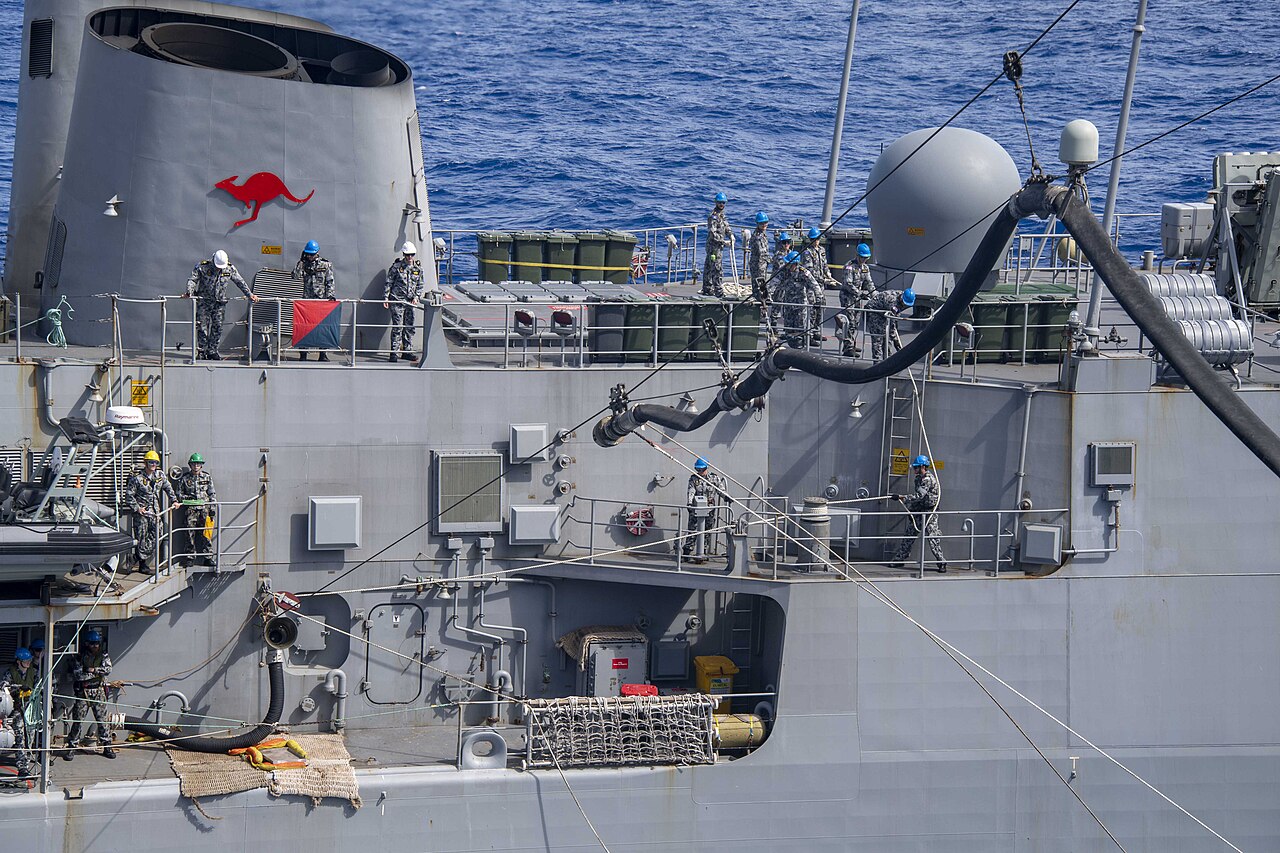
Australia · Defence
U.S. Navy / MC2 Michael Doan (public domain)
Australia · Defence

New research shows how vulnerable Australia would be to attacks on shipping in the Indian Ocean - The Conversation

The article highlights a critical vulnerability in Australia's maritime trade and energy security: Australia depends heavily on Indian Ocean sea lanes for iron ore, LNG, and energy imports, but lacks sufficient naval capacity to protect those routes independently. This gap underscores Australia's dependence on allied (primarily US) naval presence in the Indo-Pacific and exposes a key preparedness weakness if that presence falters or is diverted.

GNews: The Conversation · 2026-07-26P6P5
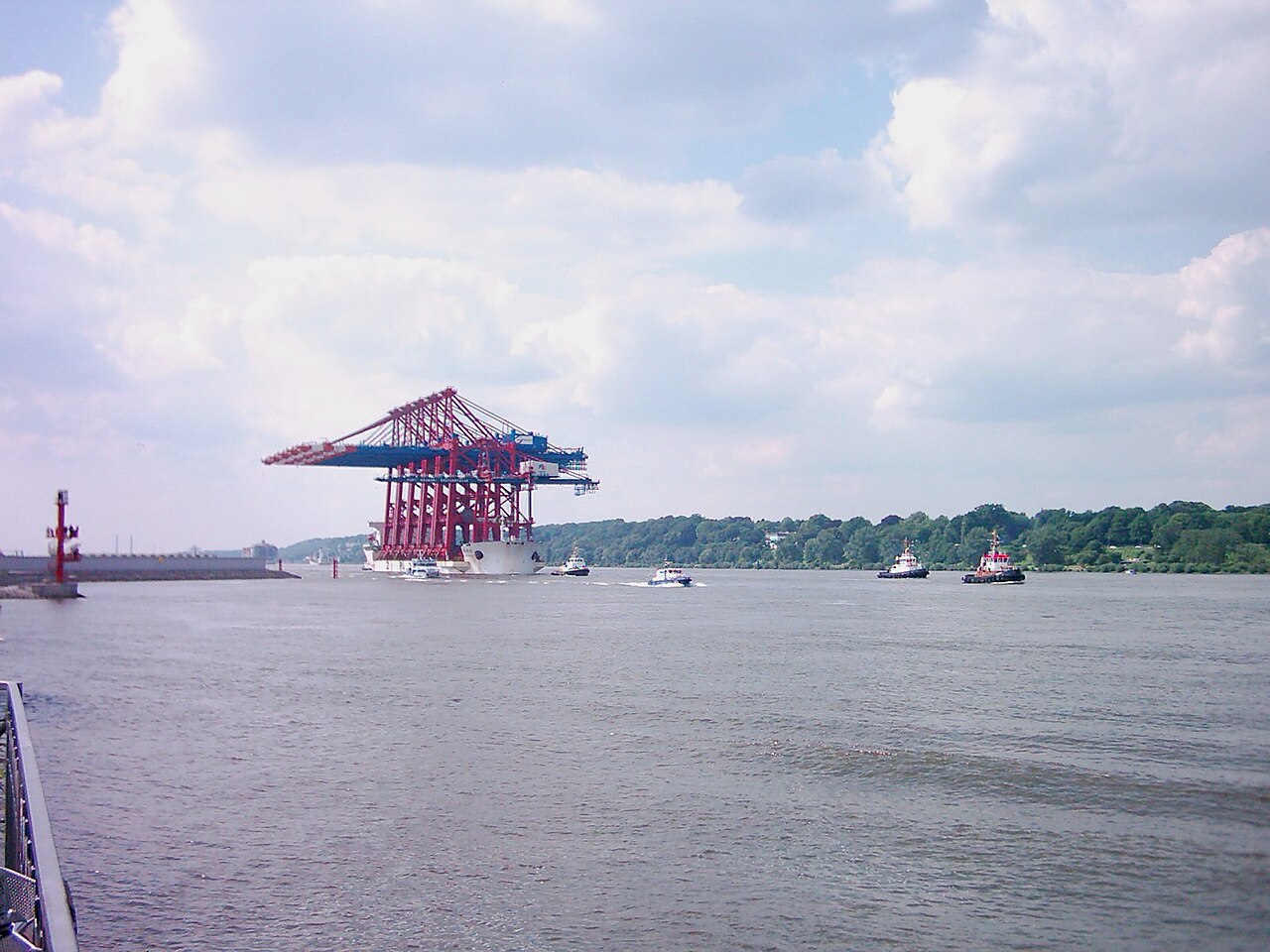
Trade
GeorgHH / Wikimedia Commons (public domain)
Trade

Australia and Japan can help build the G7’s critical-minerals future - The Strategist | ASPI's analysis and commentary site

The article positions Australia as a strategic critical-minerals supplier to the G7 and Japan, reinforcing sovereign resource control and reducing dependency on China-dominated supply chains—core pillars of strategic decoupling. By formalising partnerships that lock in allied demand for Australian minerals, the initiative strengthens Pillar 1 (Resource Sovereignty) and Pillar 5 (Decoupling) while leveraging Pillar 7 (Alliance) to secure non-Chinese markets for high-value resources.

GNews: critical minerals · 2026-07-26P1P5P7
Alliance
Alliance

Australia and Japan can help build the G7’s critical-minerals future

Australia's endorsement of the G7 Critical Minerals Resilience and Production Alliance directly advances decoupling from Chinese mineral-supply dominance and strengthens allied coordination to reduce non-G7 supplier dependence to ≤60% by 2030. This reinforces Australia's role as a strategic critical-mineral producer and integrates Australian resource sovereignty into a formal G7 security framework, reducing vulnerability to Chinese economic coercion via rare-earth and battery-metal supply control.

ASPI The Strategist · 2026-07-26P1P5P7
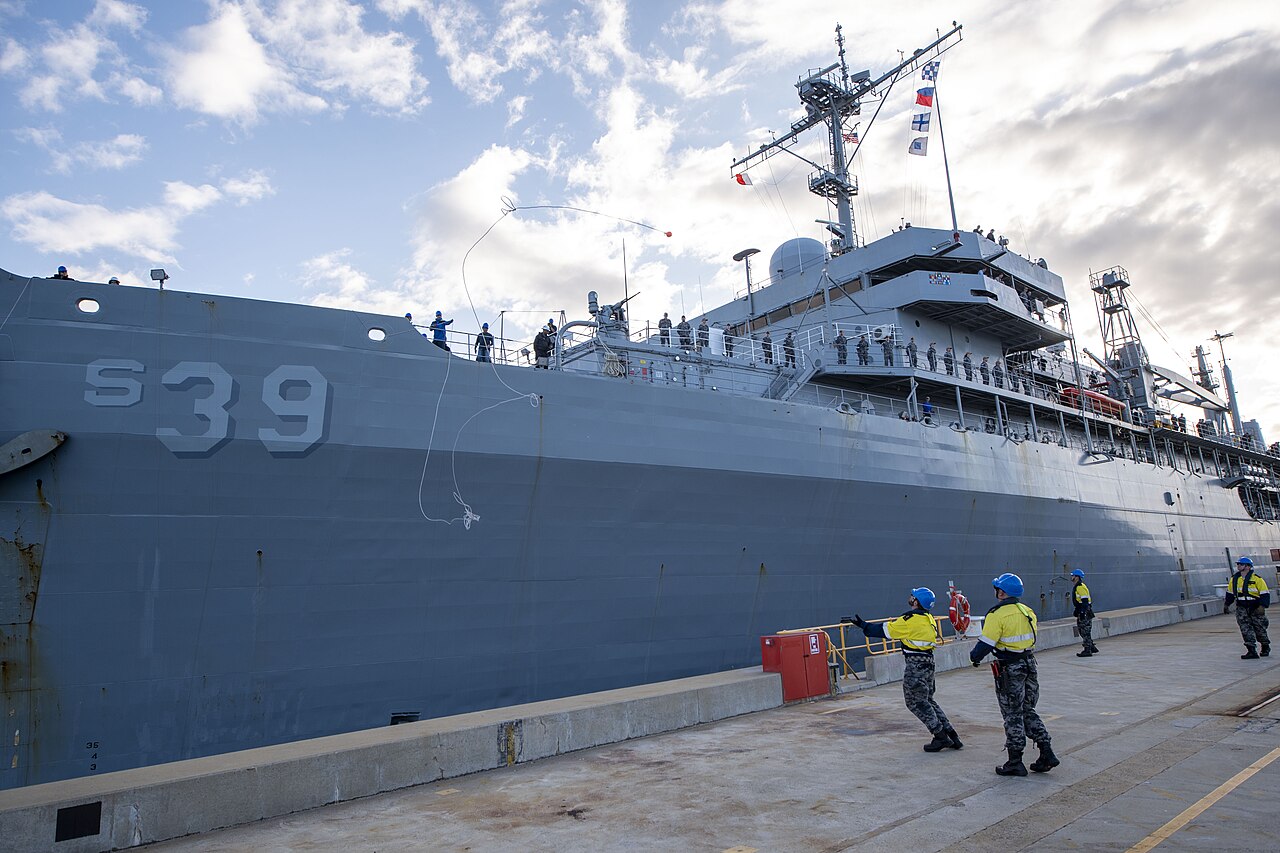
Australia · Defence
U.S. Navy / MC2 Michael Doan (public domain)
Australia · Defence

‘Dead in the water’: Navy’s flagship ‘drone ship’ program in doubt - SMH.com.au

The cancellation or indefinite delay of Australia's autonomous naval surface platform undermines the ADF's modernisation agenda and reduces Australia's capacity for advanced maritime operations in the Indo-Pacific. Loss of flagship maritime innovation projects signals slowing defence-industrial momentum at a time when the PLA's surface fleet is expanding rapidly.

GNews: Australia defence · 2026-07-26P3P6
Australia · Defence
U.S. Army / Aliyah Harrison (public domain)
Australia · Defence

Mining deals to face new national security test - The Australian

Australia is tightening national security vetting of mining investments, a direct measure to protect resource sovereignty and reduce strategic mineral dependencies on adversaries. This strengthens Pillar 1 (Resource Sovereignty) and Pillar 5 (Decoupling) by preventing China or Chinese-linked entities from securing long-term control of critical mineral supply chains essential to defence and energy infrastructure.

GNews: critical minerals · 2026-07-26P1P5
China · Military
Alexchris / Wikimedia Commons (Public domain)
China · Military

What a helicopter’s flight in the Taiwan Strait says about Beijing’s war plans

The article documents PLA operationalization of new combined-arms tactics specifically designed for Taiwan contingency operations, signalling Beijing is advancing concrete operational readiness rather than remaining in theoretical posture. For Australia, this underscores the material reality of cross-strait military escalation risk and the narrowing window for deterrence through alliance credibility and AUKUS-enabled capability — Taiwan instability directly threatens Indo-Pacific order, regional commerce, and allied force-projection from which Australia's security depends.

South China Morning Post · 2026-07-25P6P7P8
Alliance
Alliance

Taiwan wants peace but prepares for war - The Globe and Mail

Taiwan's defence modernisation and resolve strengthen the deterrent posture that undergirds Australian alliance strategy in the Indo-Pacific and reduces pressure on Australia to compensate for Taiwan collapse. However, the article itself does not report concrete new Australian defence commitments, capability milestones, or AUKUS impacts, limiting direct bearing on Australian preparedness metrics.

GNews: Taiwan conflict · 2026-07-25P6P7P8
The rest of the week
Alliance· 37

Australia will soon host a US SSN force. We need to discuss war planning - The Strategist | ASPI's analysis and commentary site

GNews: AUKUS · 2026-07-25source ↗P6P7

This article signals that AUKUS and broader US-Australia military integration is moving from procurement discussion into operational war-planning and force-posturing, strengthening the Alliance pillar (7) and Maritime Defence (6). Permanent US SSN basing would anchor US forward presence in the Indo-Pacific and reduce uncertainty around American commitment at precisely the moment AUKUS submarine delivery timelines are under scrutiny.

AUKUS Inquiry exposes nuclear weapon-sized crater - Michael West Media

GNews: AUKUS · 2026-07-25source ↗P6P7

AUKUS is Australia's flagship Indo-Pacific alliance commitment and maritime-deterrent pillar. An inquiry-driven exposure of a major gap in program execution directly threatens Australia's credibility with the US/UK, delays submarine acquisition (critical to countering PLA expansion), and raises the probability of program collapse or re-baselining. This undermines both Alliance (Pillar 7) and Maritime Defence (Pillar 6) readiness.

The case against AUKUS - The Saturday Paper

GNews: AUKUS · 2026-07-24source ↗P6P7

AUKUS is Australia's primary path to attack-class submarine capability and a linchpin of the Indo-Pacific alliance architecture. Public and political skepticism—amplified by major media—can weaken government resolve, delay funding approvals, or invite political opposition that threatens delivery timelines and interoperability with partners.

The US combat base being quietly built in Western Australia - The Australian

GNews: AUKUS · 2026-07-24source ↗P6P7

A new US combat base in Western Australia represents concrete institutional deepening of the Australia–US alliance and forward-positioned US military capability in the Indo-Pacific. This signals sustained US commitment to regional security architecture and bolsters Australian strategic posture against Chinese coercion, directly supporting Pillar 7 (Alliance) and Pillar 6 (Maritime Defence) readiness.

NATO-IP4 Relations Remain Stronger Than the Last Two Summits Suggest

The Diplomat · 2026-07-24source ↗P7

This article reinforces that the NATO-IP4 alliance structure, critical to Australia's Indo-Pacific security posture, is institutionally sound despite optics of absent leaders. The emphasis on subleader engagement and practical cooperation—including defence chiefs' attendance at January 2026 NATO Military Committee session—indicates the alliance partnership is durable and not in decline, supporting Australia's Pillar 7 (Alliance) positioning.

Australia’s Chief of Joint Operations Discusses Indo-Pacific Security at East-West Center - East-West Center

GNews: Indo-Pacific · 2026-07-24source ↗P6P7P8

The Chief of Joint Operations is Australia's top operational military voice; his public engagement on Indo-Pacific security at a US-affiliated forum reinforces the Alliance pillar and signals Australia's active diplomatic-military posture in contested waters. This is consistent with Australia's sustained effort to maintain US commitment and shape regional security architecture, bolstering deterrence narratives.

$4.6bn ‘down payment’ on AUKUS shipyards - The Australian

GNews: The Australian · 2026-07-23source ↗P3P6P7

This is a major fiscal and industrial commitment to the AUKUS submarine program, signalling sustained government resolve to acquire SSNs and build sovereign maritime-defence capability. The shipyard investment directly addresses Pillar 3 (Industrial Base) and Pillar 6 (Maritime Defence), and reinforces AUKUS credibility against delays or collapse.

Billions more for AUKUS shipyard but government keen to keep lid on debate - Crikey

GNews: AUKUS · 2026-07-23source ↗P3P6P7

This article directly signals Australian and allied commitment to the AUKUS submarine industrial base through major capital investment, strengthening Pillar 3 (Industrial Base) and Pillar 6 (Maritime Defence). The funding decision reduces collapse risk and indicates Australia is executing its core Indo-Pacific deterrence strategy despite domestic political sensitivity.

AUKUS funding to be unveiled as Labor keeps lid on debate - The Nightly

GNews: AUKUS · 2026-07-23source ↗P6P7

AUKUS funding announcement demonstrates Australian commitment to the Pillar I submarine acquisition and broader alliance posture, strengthening the credibility of Australia's defence transformation. Concrete funding details are essential to programme credibility and Allied confidence in Australia's ability to deliver strategic capability on schedule.

Billions of dollars are failing to lift production of AUKUS submarines - SMH.com.au

GNews: AUKUS · 2026-07-23source ↗P3P7

The AUKUS submarine programme is the centrepiece of Australia's maritime deterrence and alliance credibility in the Indo-Pacific. Production delays and cost blowouts directly undermine Pillar 7 (Alliance) cohesion and Pillar 6 (Maritime Defence) capability, leaving Australia dependent on ageing conventional boats into the 2050s while the PLA expands its submarine fleet. This materially increases vulnerability to Chinese coercion and weakens the US–UK–Australia security partnership at a critical moment.

ADF leaders snub China’s army bash as missile tensions soar - The Nightly

GNews: Australia defence · 2026-07-23source ↗P6P7P8

The ADF's diplomatic snub of China's military anniversary reflects hardening strategic posture and signals Australia's alignment away from Beijing during elevated Taiwan Strait tensions. However, this is a symbolic diplomatic gesture rather than a concrete capability or commitment change that shifts preparedness metrics.

Labor sidelines doubters with $4.6bn AUKUS boost - The Australian

GNews: The Australian · 2026-07-23source ↗P2P3P7

This $4.6bn commitment by the Labor government materially advances the AUKUS submarine acquisition timeline and demonstrates sustained political backing across electoral cycles, directly strengthening Pillar 7 (Alliance) and Pillar 2 (Fiscal Engine) dedication to Indo-Pacific deterrence. The funding locks in Australian industrial participation in the SSN-AUKUS pathway and reduces the risk of program delay or collapse due to budgetary constraints.

Billions in new funding for AUKUS shipyards in Adelaide - ABC News & Headlines – Australian Broadcasting Corporation

GNews: AUKUS · 2026-07-23source ↗P3P6P7

Billions in new AUKUS shipyard funding for Adelaide directly advances Australia's nuclear submarine acquisition and domestic industrial base, bolstering Pillar 3 (Industrial Base) and Pillar 6 (Maritime Defence). This funding injection hardens the AUKUS commitment and reduces delivery risk, critical to Australia's long-term capability against PLA expansion.

Just what’s needed: one US friend, Australia, steps up help for another, Philippines

ASPI The Strategist · 2026-07-23source ↗P7P5

Australia's announcement of A$10 million in drone technology and training to the Philippines demonstrates active alliance management and concrete capability-sharing in a region critical to Indo-Pacific stability. The article explicitly notes that 'perception is now part of strategy'—Australia is signalling commitment to the US-led order and to defending the open Indo-Pacific against Chinese military encroachment, while also directly improving a frontline partner's maritime security capacity.

Why the AUKUS submarines will never arrive - thepoint.com.au

GNews: nuclear submarine · 2026-07-23source ↗P6P7

AUKUS submarine delivery is Australia's single most critical pillar-6 (Maritime Defence) capability gap. If the program fails or slips further, Australia loses the platform needed to maintain undersea deterrence and regional naval balance against China's expanding PLA submarine fleet (currently ~60+ vessels). This directly degrades Australia's ability to operate independently in the Indo-Pacific and undermines the credibility of US–UK commitment to the alliance.

Japan and Australia are critical partners in the Pacific

ASPI The Strategist · 2026-07-22source ↗P7P8

The article documents Australia's deliberate recalibration of Pacific Island engagement away from patron-client dynamics toward genuine partnership — a foundational shift in the Northern Arc strategy. This shift, backed by significant aid flows and high-level political presence, directly counters China's transactional model and reduces the likelihood that Pacific island states will be receptive to Chinese security offers.

Labor has a proud history of debate. So why won’t it interrogate the $368bn Aukus pact? - The Guardian

GNews: AUKUS · 2026-07-22source ↗P6P7

The article flags potential political friction within the Labor government over the $368bn AUKUS submarine investment, raising questions about parliamentary scrutiny and public debate. While framed as a procedural/democratic concern rather than a capability concern, sustained political division over AUKUS funding or commitment could eventually weaken bipartisan consensus and slow execution, though no imminent collapse or delay is indicated here.

Mach 5+ speed: New hypersonic ‘clay pigeon’ target to be built under AUKUS Pillar 2 - Interesting Engineering

GNews: AUKUS · 2026-07-22source ↗P6P7

AUKUS Pillar 2 delivers Australia access to advanced hypersonic-target and advanced-capability development alongside the US and UK, strengthening the alliance's collective maritime and air-defence posture. Operationalizing Mach 5+ targets signals concrete progress on AUKUS pillars beyond submarines, reinforcing institutional commitment and de-risking the broader partnership.

Quad Strengthens Indo-Pacific Partnership; Marco Rubio Reaffirms Commitment to Regional Stability with India, Australia and Japan - thepublicworld.com

GNews: Quad security · 2026-07-22source ↗P7P8

Marco Rubio's reaffirmation of US commitment to the Quad (which includes Australia) directly supports the Alliance pillar and counters the american_withdrawal risk. This statement from a senior US official strengthens the diplomatic foundation of Australia's primary security partnership and reinforces the viability of AUKUS and Indo-Pacific collective-defence arrangements.

Quad foreign ministers reaffirm free, open Indo-Pacific at Manila meeting - The Indian Express

GNews: Quad security · 2026-07-22source ↗P7P8

A Quad ministerial reaffirmation of the free, open Indo-Pacific framework strengthens the alliance architecture that underpins Australian strategic partnerships and reduces the risk of US strategic retrenchment in the region. This reinforces Pillar 7 (Alliance) and Australia's northern strategic posture, though it is a declaratory rather than capability-delivery event.

Roberts breaks with Hanson over ‘absurd’ AUKUS - The Australian

GNews: AUKUS · 2026-07-22source ↗P7

AUKUS depends on sustained bipartisan consensus and public support; internal political fracture over the program's fundamentals — even between minor-party figures — erodes the coalition unity required to weather delays, cost overruns, and Chinese pressure. A visible split legitimizes dissent and complicates budget justification when competing NDIS and fiscal demands intensify.

US, India, Australia, Japan to meet again on security - Breakingthenews.net

GNews: Quad security · 2026-07-22source ↗P7P5

The Quad (US, India, Australia, Japan) meeting reaffirms the alliance architecture that underpins Australian strategic deterrence in the Indo-Pacific. Continued Quad dialogue strengthens the coalition needed to constrain Chinese military adventurism and maintain the balance on which Australia's security depends.

Australia stands behind Philippines amid China’s aggression

ASPI The Strategist · 2026-07-22source ↗P5P7

This article documents Australia's active diplomatic and strategic intervention in Southeast Asia to counter Chinese coercion against the Philippines, directly reinforcing the "Pacific Step-Up" and deterrence-by-alliance doctrine. The commitment to fund and equip the Philippine Coast Guard operationalizes Pillar 7 (Alliance) and reduces China's ability to isolate or intimidate individual regional partners, strengthening the broader Indo-Pacific coalition against unilateral Chinese aggression.

Multinational Crews Fly on U.S. Navy Poseidon’s for RIMPAC

USNI News · 2026-07-21source ↗P6P7

Australia's integration of P-8A crews into multinational US Navy operations at RIMPAC 2026 demonstrates sustained interoperability across the Alliance and Maritime Defence pillars. The exercise signals operational readiness in maritime domain awareness and reinforces US commitment to Indo-Pacific presence alongside allied partners—supporting Australia's dependence on allied naval capability to offset China's growing undersea and surface fleet.

Taiwan President Pushes $6.6B Attack Drone Plan

USNI News · 2026-07-21source ↗P7P6

Taiwan's move to indigenously develop attack drones signals strengthened defensive capacity and reduced military dependence, reinforcing the allied deterrent posture in the Indo-Pacific that Australia relies on. A more credible Taiwanese defence mitigates the risk of a kinetic conflict that would directly threaten Australian interests and AUKUS coalition cohesion.

A critique of middle power strategy shows why we need it

ASPI The Strategist · 2026-07-21source ↗P7P3

This article reports a direct US policy signal that the Trump administration views middle-power defence cooperation—which Australia is actively pursuing with Japan and others—as wasteful distraction. The article explicitly names Australia's enhanced defence cooperation with Japan as a middle-power strategy response to perceived US unreliability, framing it as a coping strategy for abandonment risk. The statement that US partners 'can no longer take [US] engagement for granted' directly weakens the geopolitical foundation of AUKUS and Australia's reliance on Pillar 7 (Alliance) as a hedge against Chinese power.

Building trust beneath the surface - defence.gov.au

GNews: Australia defence · 2026-07-21source ↗P6P7

Trust and operational integration between Australia, the US, and UK are foundational to AUKUS submarine delivery success. An article emphasizing trust-building suggests the partnership is actively managing relationship depth and reducing friction points that could derail the schedule.

Independent AUKUS Inquiry ramps up pressure on Labor - Independent Australia

GNews: AUKUS · 2026-07-21source ↗P6P7

An independent AUKUS inquiry applying political pressure to the Labor government risks delaying or derailing Australia's most critical maritime-defence commitment, directly undermining Pillar 6 (Maritime Defence) and Pillar 7 (Alliance). Domestic political friction over AUKUS cost, timeline, or governance increases the probability that the program is either scaled back, restructured, or deferred, weakening both autonomous submarine capability and the credibility of Australia's alliance commitment to the US and UK.

New executive order tightens defense supply chain waiver rules

Defense News · 2026-07-20source ↗P3P5P7

The executive order reinforces US commitment to supply-chain resilience and accelerated weapons production, directly supporting the industrial base required to sustain AUKUS submarine construction and allied munitions supply. Tighter waiver rules reduce US defence-contractor reliance on Chinese critical minerals, strengthening decoupling and the feasibility of robust US–Australia–UK industrial partnership, though near-term transition costs may compress contractor margins and slow some deliveries during the shift to domestic sourcing.

5 Myths About the Five Eyes

The Diplomat · 2026-07-20source ↗P7P8

The Five Eyes alliance is a cornerstone of Australia's intelligence sovereignty and early-warning capability for Indo-Pacific threats (Pillar 7: Alliance). Erosion of trust, U.S. hostility to its own intelligence agencies, and Trump's willingness to punish allies for non-compliance signals a fundamental weakening of the alliance architecture that Australia depends on for China-related intelligence collection and strategic coordination. This directly undermines Australia's ability to maintain Alliance coherence and increases the risk of a broader American strategic withdrawal from the Indo-Pacific at a time when China's military and economic power is expanding.

Andy Burnham becomes British PM, provides AUKUS hints in first speech - ABC News & Headlines – Australian Broadcasting Corporation

GNews: AUKUS · 2026-07-20source ↗P7

The appointment of Andy Burnham as UK PM and his early public emphasis on AUKUS in inaugural remarks provides political reassurance that the United Kingdom remains committed to the submarine-transfer pillar of the alliance. UK domestic politics and leadership changes create material risk to AUKUS delivery; a new PM's early pro-AUKUS signal is a stabilising indicator for Australia's reliance on UK industrial and political follow-through.

FROM WARFARE TO WEALTH — The 1984 warning: Why the AUKUS debate cannot be silenced - Independent Australia

GNews: AUKUS · 2026-07-20source ↗P6P7

The article flags sustained domestic political contestation over AUKUS, referencing a 1984 precedent to question whether the current submarine commitment can survive parliamentary and public scrutiny. While criticism does not directly threaten programme delivery, persistent political division raises the reputational and consensus costs of AUKUS execution and may signal vulnerability to future political shock.

Major international military exercise kicks off in the Top End - SBS

GNews: Australia defence · 2026-07-20source ↗P6P7

Exercise activity in the Top End demonstrates allied interoperability and sustained forward commitment to Australia's northern approaches, directly supporting Pillar 7 (Alliance) and Pillar 6 (Maritime Defence). Regular exercises reinforce deterrence posture and maintain readiness against grey-zone and kinetic contingencies in the Indo-Pacific.

Bin fodder: Garrett and his AUKUS inquiry - InDaily South Australia

GNews: AUKUS · 2026-07-20source ↗P3P6P7

This article reports a South Australian political inquiry into AUKUS delays and cost escalation, signalling regional political pressure on the submarine program delivery timeline and fiscal sustainability. While politically significant domestically, the article does not report a change in US/UK commitment, Australian defence spending decisions, or concrete program milestones that would directly shift scenario probability or pillar metrics.

AUKUS is being exposed, but will anything change? - Pearls and Irritations

GNews: AUKUS · 2026-07-20source ↗P6P7

AUKUS is Australia's primary path to operating modern submarines and a cornerstone of alliance depth with the US and UK. An article highlighting cracks in AUKUS credibility and execution (the 'exposure') erodes confidence in a capability critical to Maritime Defence and Alliance pillars, and raises the risk that slippage becomes structural collapse, leaving Australia with submarine numbers below planned targets for years. This directly bears on both operational readiness and strategic deterrence in the Indo-Pacific.

Australia · Defence· 26

A global threat for millennia: experts warn Australia’s nuclear submarine legacy will be weapons-usable uranium cache - The Guardian

GNews: AUKUS · 2026-07-24source ↗P3P6

The article flags a long-term strategic liability embedded in Australia's AUKUS submarine acquisition: accumulated weapons-usable uranium from reactor fuel cycles that will persist for millennia. This creates a novel political and regulatory burden that could complicate domestic support for the program and international confidence in Australia's nuclear stewardship, potentially accelerating or prolonging AUKUS delivery delays.

AUKUS: Australia adds $3.2 billion to nuclear submarine project - Interesting Engineering

GNews: nuclear submarine · 2026-07-24source ↗P2P3P6P7

This additional funding reinforces Australia's commitment to the AUKUS nuclear submarine program, strengthening Pillar 6 (Maritime Defence) and Pillar 7 (Alliance credibility). The injection demonstrates fiscal capacity and political determination to proceed with the program despite cost pressures, directly underpinning Australia's Indo-Pacific deterrent posture and alliance cohesion with the US and UK.

Australia Commits Billions To Nuclear-Powered Submarine Construction Yard At Osborne - Ocean News & Technology

GNews: nuclear submarine · 2026-07-24source ↗P3P6P7

This commitment represents a major institutional and fiscal lock-in of Australia's AUKUS submarine ambitions. It directly strengthens Pillar 3 (Industrial Base) by establishing sovereign nuclear-submarine construction capacity and Pillar 6 (Maritime Defence) by expanding the pathway to operational nuclear submarines, while reinforcing Pillar 7 (Alliance) through visible, binding investment in the trilateral partnership.

Australia throws $4.6 billion more at AUKUS shipyard - SMH.com.au

GNews: AUKUS · 2026-07-24source ↗P3P6P7

This $4.6 billion allocation to AUKUS shipyard capacity in Adelaide is a concrete, major commitment to close the industrial capability gap that threatens the entire submarine-transfer timeline. The expansion directly addresses Pillar 3 (Industrial Base) and Pillar 6 (Maritime Defence), signalling sustained political and fiscal willingness to absorb the domestic infrastructure costs required to operationalise AUKUS—the cornerstone of Australia's 2040s deterrent posture.

Australia announces fresh $3.2 bn for nuclear subs - LCANews

GNews: nuclear submarine · 2026-07-24source ↗P3P6P7

This represents a material Australian government commitment to accelerate nuclear submarine capability, directly supporting the AUKUS Pillar II strategic anchor and filling a critical gap in Australia's maritime-denial and deterrence posture in the Indo-Pacific. The funding signals sustained political will and fiscal capacity to sustain advanced naval modernisation, strengthening deterrence against Taiwan coercion and regional Chinese military dominance.

Australia ramps up Aukus funding with US$3.2 billion for nuclear submarine yard - South China Morning Post

GNews: nuclear submarine · 2026-07-24source ↗P3P6P7

This US$3.2 billion yard-investment decision commits Australia to the industrial and fiscal prerequisites for SSN-AUKUS delivery and demonstrates sustained political will to acquire nuclear-powered submarines by the early 2030s—a core pillar of the Alliance strategy and maritime deterrence posture. The funding directly addresses the industrial-base constraint that has been the program's primary delivery risk, materially reducing the probability of technical or budgetary collapse.

Autonomous, sovereign, ready: what Australia’s defence moment demands - The Strategist | ASPI's analysis and commentary site

GNews: Australia defence · 2026-07-24source ↗P1P3P6P7

ASPI analysis framing Australian defence autonomy as a strategic imperative signals institutional backing for sustained defence investment and industrial base rebuilding, reinforcing political commitment to AUKUS and sovereign capability development. This shapes the narrative environment in which budget and procurement decisions are debated, favouring capability acquisition over fiscal retrenchment.

Government commits $4.6bn more to Osborne submarine yard - defenceconnect.com.au

GNews: nuclear submarine · 2026-07-24source ↗P3P6P7

This $4.6bn investment directly supports the Australian-led AUKUS submarine industrial base, expanding Osborne's capacity to deliver Attack-class submarines and build sovereign maritime-defence capability. The commitment signals sustained government backing for the programme and reduces schedule risk—a critical mitigation against AUKUS collapse and a concrete acceleration of Pillar 3 (Industrial Base) and Pillar 6 (Maritime Defence) readiness.

$4.6bn boost for AUKUS nuclear sub yard - Adelaide Now

GNews: AUKUS · 2026-07-23source ↗P3P6P7

This represents a major capital commitment to realise Australia's AUKUS nuclear-submarine acquisition, directly addressing Pillar 3 (Industrial Base) and Pillar 6 (Maritime Defence). The investment signals sustained government commitment to the programme and enhances domestic industrial capacity to support future submarine operations, reducing technical and financial risk of programme collapse.

Marles to announce $4.6b funding boost for AUKUS shipyard - AFR

GNews: AUKUS · 2026-07-23source ↗P3P6P7

This represents a material acceleration of AUKUS submarine industrial base development, moving Australia from procurement intent to funded shipyard capacity. A $4.6B commitment signals sustained political and fiscal willingness to sustain the 20–30 year submarine transition, mitigating near-term programme failure risk.

Australia whips together a hybrid air defense weapon

Defense News · 2026-07-23source ↗P3P6P7

Australia has demonstrated a practical, cost-effective alternative to expensive Western air-defence imports by rapidly integrating existing inventory assets with new software and allied support. This validates hybrid procurement strategy and strengthens Australia's industrial base for rapid prototyping, reducing dependency on single-vendor platforms and improving near-term GBAD readiness ahead of major system acquisitions.

Army partners with industry to alleviate Abrams engine supply chain woes

Breaking Defense · 2026-07-22source ↗P3P6

The Abrams tank is core to Australia's armoured-force capability and interoperability with US/allied forces. A critical engine-component supply chain failure—requiring a "hackathon" to source vendors—exposes a vulnerability in ADF readiness that reflects broader Western industrial-base fragility and dependency on contested supply routes, directly impairing Pillar 3 (Industrial Base) resilience.

Boeing’s MQ-28 Ghost Bat makes Farnborough Airshow debut

Defense News · 2026-07-22source ↗P3P7

The Ghost Bat's successful integration into multinational combat exercises demonstrates Australia's capacity to field collaborative crewed-uncrewed systems alongside ally fighter jets, bolstering Pillar 7 (Alliance interoperability) and Pillar 3 (Industrial Base capability). The system's demonstrated combat readiness in Exercise Valiant Shield 2026 signals Australia's industrial and technological maturity in autonomous systems, relevant to maintaining technological parity in the Indo-Pacific.

VIDEO: Queensland government announces defence testing range in Western Queensland - ABC News & Headlines – Australian Broadcasting Corporation

GNews: ABC News · 2026-07-22source ↗P3P6

The announcement of a dedicated defence testing range in Western Queensland directly supports Pillar 3 (Industrial Base) and Pillar 6 (Maritime Defence) by expanding Australia's sovereign testing infrastructure. This capability is essential for validating AUKUS-related platforms (submarines, missiles, hypersonics) and reducing dependence on allied testing resources, strengthening domestic industrial autonomy in an era of strategic decoupling.

Private 'space port' to test guided weapons in Queensland outback - ABC News & Headlines – Australian Broadcasting Corporation

GNews: ABC News · 2026-07-22source ↗P3P6

A private-sector space port developing guided-weapons testing capability strengthens Australia's indigenous defence-industrial base and reduces reliance on foreign testing infrastructure, directly supporting Pillar 3 (Industrial Base) and Pillar 6 (Maritime Defence) readiness. This expands the sovereign testing and validation capacity for precision-strike systems needed in Indo-Pacific contingencies.

Australia’s Defense Transformation Prioritizes Long-Range Strike, Autonomous Capabilities - Eurasia Review

GNews: ADF capabilities · 2026-07-22source ↗P3P6P7

Australia's formalized pivot toward long-range strike and autonomous systems signals a deliberate shift in industrial-base demand and alliance interoperability that locks in AUKUS commitments and accelerates integration with US/UK doctrine. This modernization move strengthens the industrial base (Pillar 3) and alliance posture (Pillar 7), but also introduces exposure to rapid AI-driven platform obsolescence if development cycles exceed procurement timelines.

Australia’s defense transformation prioritizes long-range strike, autonomous capabilities - Indo-Pacific Defense FORUM

GNews: Australia defence · 2026-07-21source ↗P3P6

Australia's explicit strategy shift toward long-range strike and autonomous systems reflects a coherent modernization posture aligned with Indo-Pacific deterrence and AUKUS industrial goals. This doctrinal pivot strengthens the Industrial Base (Pillar 3) and Maritime Defence (Pillar 6) by signaling sustained commitment to capability development, though no new spending or platform numbers are disclosed here.

Lot Fourteen’s Defence HQ breaks ground - Lot Fourteen

GNews: AUKUS · 2026-07-21source ↗P2P3

Lot Fourteen's Defence HQ represents tangible investment in Australia's defence industrial base and institutional capacity for AUKUS submarine delivery. Groundbreaking on dedicated headquarters signals fiscal commitment and industrial consolidation that underpins the long-term viability of the attack-class submarine programme and broader defence manufacturing.

Workforce to double as plans for 11-storey Defence HQ unveiled - Adelaide Now

GNews: AUKUS · 2026-07-21source ↗P2P3

The expansion of Adelaide's Defence HQ and doubling of the workforce indicates Australia is investing in institutional capacity to support defence capability growth and strategic planning. This signals sustained fiscal commitment to defence staffing and infrastructure, supporting Pillar 2 (Fiscal Engine) and Pillar 3 (Industrial Base) expansion required for AUKUS delivery and the broader defence modernisation agenda.

Rheinmetall Nioa Munitions to manufacture M795 - Australian Defence Magazine

GNews: ADF capabilities · 2026-07-21source ↗P3P6

This announcement represents concrete progress in Australia's industrial base for advanced munitions production, supporting Pillar 3 (Industrial Base) and Pillar 6 (Maritime Defence) by embedding precision-artillery manufacturing domestically. Building sovereign capacity for M795 155mm shells reduces supply-chain vulnerability and demonstrates forward momentum on defence-industrial resilience, critical as Australia faces extended strategic competition.

Australia’s SM-2 test paves way for medium-range GBAD capability - Asian Military Review

GNews: ADF capabilities · 2026-07-21source ↗P6P3

Australia's successful SM-2 test validates a critical medium-range ground-based air-defence capability, addressing a known gap in the Australian Defence Force's layered air-defence architecture. This capability is essential to protect naval bases, ports, and critical infrastructure against aircraft and maritime-launched threats in a contested Indo-Pacific, directly supporting Pillar 6 (Maritime Defence) and Pillar 3 (Industrial Base integration).

HRE targets rare earths for subs - The Mercury

GNews: AUKUS · 2026-07-20source ↗P1P3P6

HRE's rare earths sourcing directly underpins Australia's ability to manufacture AUKUS attack submarines on schedule and at scale. Securing sovereign or allied critical-mineral supply for defence platforms reduces China-leverage over Australian industrial capacity and closes a critical vulnerability in the submarine programme's delivery risk.

Australia’s Indian Ocean moment

Lowy Institute · 2026-07-20source ↗P1P6P7

The article argues Australia must operationalize its commanding Indian Ocean exclusive economic zone to secure resource sovereignty and extend maritime defence depth, directly addressing Pillar 1 (Resource Sovereignty) and Pillar 6 (Maritime Defence). Closing this strategic gap would reduce Australia's vulnerability to chokepoint disruption and strengthen allied posture in a contested Indian Ocean.

Ex-officials question why Navy contracts case remains secret - The West Australian

GNews: Australia defence · 2026-07-20source ↗P3P6

The article raises governance and transparency concerns within Australian Navy contracting processes, which directly affects institutional trust and oversight in defence procurement. While not reporting a capability loss or delay, persistent secrecy around major naval contracts undermines public and parliamentary accountability over the Industrial Base and Maritime Defence pillars.

Australia should narrow its critical-minerals focus – starting with antimony - The Strategist | ASPI's analysis and commentary site

GNews: critical minerals · 2026-07-20source ↗P1P5

Australia's strategic narrowing of critical-minerals focus reflects a deliberate pivot toward resource sovereignty and decoupling from China, prioritising high-impact minerals over unfocused accumulation. This signals maturation of Australia's Pillar 1 (Resource Sovereignty) and Pillar 5 (Decoupling) strategy, improving long-term positioning in supply-chain resilience for defence and advanced manufacturing.

China · Military· 16

Chinese research ships that visit Australia under US surveillance - ABC News & Headlines – Australian Broadcasting Corporation

GNews: ABC News · 2026-07-23source ↗P5P6P7

The article highlights China's dual-use research presence in Australian waters and the US surveillance response, which underscores the geopolitical complexity of the Indo-Pacific and the importance of allied intelligence-sharing. Chinese research vessels gathering oceanographic/hydrographic data near Australia represent a decoupling and maritime intelligence concern, reinforcing the case for stronger allied maritime domain awareness and defensive posture.

Chinese diplomats leave ALP conference after bid to eject Taiwan officials - ABC News & Headlines – Australian Broadcasting Corporation

GNews: ABC News · 2026-07-23source ↗P7P8

This incident reflects China's willingness to exert political pressure on Australian institutions to isolate Taiwan, a pattern consistent with the coercive unification pathway. It also tests Australia's resolve to uphold alliance commitments and liberal international norms — a key Alliance pillar metric for credibility in the Indo-Pacific.

China Coast Guard Exercises ‘Jurisdiction’ in Japan’s Exclusive Economic Zone

The Diplomat · 2026-07-22source ↗P6P7P8

China's explicit assertion of jurisdiction in Japan's EEZ and defiant rejection of international maritime law signals aggressive expansion of grey-zone coercion in the Western Pacific, directly threatening the rule-based order on which Australia's alliance architecture and resource security depend. This pattern of incremental boundary-testing and legal revisionism mirrors tactics that could escalate toward Taiwan and directly pressure Australia's alliance partners (Japan, US), potentially forcing Australia into earlier or deeper strategic commitment.

China demands Australia stop 'inciting confrontation' over South China Sea - ABC News & Headlines – Australian Broadcasting Corporation

GNews: ABC News · 2026-07-22source ↗P5P7P8

China's public demand that Australia cease 'inciting confrontation' over the South China Sea signals Beijing's intent to isolate Australia diplomatically on regional security issues and pressure allied naval operations. This reflects China's strategy to decouple Australia from Indo-Pacific security partnerships, particularly in the maritime domain where Australia's surface fleet and alliance posture are most visible.

Wong rallies Asian partners after Chinese missile test - AFR

GNews: AFR · 2026-07-22source ↗P7P8

The article demonstrates Australia's active diplomatic engagement with Indo-Pacific partners in response to Chinese military escalation, a core pillar of the Alliance and Northern Arc strategy. Wong's rally reflects Australia recognizing the PLA test as a material shift in regional military competition, reinforcing the need for cohesive allied posture.

Total War on Taipei: China Explores Elevating Cognitive Effects into Its Vision of Warfare

War on the Rocks · 2026-07-22source ↗P6P7P8

China's explicit incorporation of cognitive warfare into Taiwan conquest doctrine signals a shift toward information dominance as a primary warfighting vector. This raises the Taiwan Strait crisis threshold and directly threatens Australia's alliance cohesion and Indo-Pacific security posture, as Taiwan's fall—by kinetic or coercive means—would fundamentally alter the regional balance and Australia's strategic access.

Australia raises China’s missile test in meeting with top diplomat Wang Yi - South China Morning Post

GNews: China Australia · 2026-07-22source ↗P7P8

Australia's public diplomatic challenge to China's missile test demonstrates commitment to Indo-Pacific stability norms and signals willingness to contest PLA escalatory moves, reinforcing Pillar 7 (Alliance) coordination messaging. However, the article does not report any concrete shift in Australian defence capability, AUKUS delivery, or strategic posture — merely a routine diplomatic complaint — so the preparedness impact is communicative rather than material.

China weaponising AI - The Australian

GNews: The Australian · 2026-07-22source ↗P6P7P8

China's weaponisation of AI represents a structural shift in military capability asymmetry that directly threatens the viability of Australia's conventional defence posture and long-cycle procurement (AUKUS submarines, air platforms). Australian defence doctrine, training, and industrial base are not yet aligned to counter AI-driven military advantage, exposing gaps in Pillar 3 (Industrial Base) and Pillar 6 (Maritime Defence) that cannot be closed on the timeline of PLA modernisation.

China must offer reassurance on its military build-up, Australian Foreign Minister says - The Straits Times

GNews: China military · 2026-07-21source ↗P5P7P8

The Australian Foreign Minister's public call for China to provide military reassurance reflects growing strategic concern over PLA expansion and signals Australia's diplomatic posture in response to China's military build-up. This articulates the decoupling and alliance-strengthening logic that underpins Australian Indo-Pacific strategy, but a statement alone does not alter China's behaviour or capability trajectory.

Watch Australia Wants China 'Transparency' on Military Buildup - Bloomberg.com

GNews: China military · 2026-07-21source ↗P7P8

Australia's public call for Chinese military transparency reflects diplomatic posturing within the alliance framework but does not materially alter PLA capability development or Chinese decision-making on Taiwan or regional action. The statement reinforces alliance cohesion messaging (Pillar 7) and Northern Arc positioning (Pillar 8) without directly changing Australia's own preparedness metrics or external actors' likelihood of kinetic action.

VIDEO: Vision released by China of confrontation at sea - ABC News & Headlines – Australian Broadcasting Corporation

GNews: ABC News · 2026-07-21source ↗P6P7

China's deliberate release of confrontation footage signals willingness to publicize military assertiveness in the Indo-Pacific, reinforcing a pattern of grey-zone operations and messaging that Australia must navigate. This demonstrates Beijing's escalation in information warfare and narrative control around maritime incidents, raising the threshold at which Australia's alliance partners (particularly the US) must respond and clarifying the operational environment in which AUKUS and allied navies operate.

China Must Offer Reassurance on Its Military Buildup, Australian Minister Says - Bloomberg.com

GNews: China military · 2026-07-21source ↗P6P7P8

An Australian government minister publicly calling for Chinese military transparency signals ongoing concern about PLA buildup in the Indo-Pacific and reflects Australia's diplomatic posture toward China's strategic intentions. This reflects Australia's alliance reliance and the hardening of public official rhetoric, but the article does not report a concrete change in Australian defence capability, AUKUS progress, or Chinese military action that would shift preparedness metrics.

Chinese warship holds live-fire drills inside Japan’s economic waters for first time - The Guardian

GNews: PLA navy · 2026-07-21source ↗P6P7P8

This incident reflects China's accelerating willingness to conduct military operations in contested maritime zones without allied response, directly challenging the rules-based order that underpins Australia's security architecture and regional stability. For Australia, the precedent of uncontested live-fire drills in another nation's EEZ normalises coercive military posturing in the Indo-Pacific, raising the risk environment for Australian naval operations and demonstrating China's confidence in its ability to operate without escalation costs.

China’s Use of Armed Coercion in the Indo-Pacific: Current Patterns and Regional Responses - orfonline.org

GNews: Indo-Pacific · 2026-07-20source ↗P6P7P8

The article documents China's current armed-coercion patterns in the Indo-Pacific, directly informing Australia's threat assessment and regional alliance posture. Understanding Beijing's non-kinetic pressure tactics (gray-zone operations, military intimidation) is essential for calibrating Australian defence procurement, AUKUS integration, and Pillar 7 (Alliance) strategy in the maritime domain.

Taiwan Says Chinese Vessel Activity Jumps, Raising Fears for Pacific Supply Routes - The China-Global South Project

GNews: PLA navy · 2026-07-20source ↗P6P7P8

Elevated PLA vessel activity in the Taiwan Strait indicates China is normalizing higher operational tempos and presence near Taiwan, compressing the buffer for miscalculation or coercive measures—a direct signal of military pressure that Australia must factor into Indo-Pacific contingency planning and alliance posture. The reported threat to Pacific supply routes directly impacts Australia's maritime defence assumptions, resource imports, and the credibility of sea-lane security guarantees that underpin the AUKUS and Quad frameworks.

Video appears to show confrontation between Chinese and Philippine navy vessels - BBC

GNews: PLA navy · 2026-07-20source ↗P6P7

China's escalating naval assertiveness against the Philippines in the South China Sea signals PLA operational confidence and willingness to contest maritime space through coercion. This directly affects Australia's maritime defence posture (Pillar 6) and alliance management (Pillar 7): it demonstrates the scale of PLA activity Australia and partners must deter, and tests whether the regional alliance architecture (Quad, AUKUS, Philippines partnership) can credibly constrain Chinese behaviour.

Australia · Energy· 6

Dig, ship, repeat: How Australia could miss the real hydrogen opportunity

Perth USAsia Centre · 2026-07-23source ↗P1P3P5

The article warns that Australia risks repeating its historical resource-export model in hydrogen—extracting raw commodity value without building downstream industrial capacity or sovereign competitive advantage. This directly undermines Pillar 1 (Resource Sovereignty) and Pillar 3 (Industrial Base), both critical to strategic autonomy and fiscal resilience in a decoupled Indo-Pacific.

Send the data centres north

ASPI The Strategist · 2026-07-23source ↗P1P3P8

The article frames data-centre siting as a national strategic decision, not merely commercial, and explicitly links Northern Australia's energy, land, and proximity to Indo-Pacific markets as key to sovereign AI capability and resilience. This supports Pillar 1 (Resource Sovereignty) and Pillar 8 (Northern Arc) by anchoring critical digital infrastructure in Australia's northern strategic zone and reducing geographic concentration risk.

Lynas cost blowout hits $114m amid political heat - The Australian

GNews: The Australian · 2026-07-22source ↗P1P3

Lynas is Australia's flagship sovereign rare-earth processing capability, central to reducing dependence on Chinese supply chains for defence and advanced manufacturing. Cost overruns delay operational capacity and signal slippage in the Resource Sovereignty and Industrial Base pillars, increasing vulnerability to supply disruption in a crisis.

The Oil Market Is Much More Vulnerable Than Trump Believes

Foreign Policy · 2026-07-21source ↗P1P2P5

Australia is heavily dependent on imported crude oil and refined products; a Hormuz closure or sustained oil-price spike would deplete strategic fuel reserves and raise energy costs across the defence industrial base and broader economy, straining Pillar 1 (Resource Sovereignty) and Pillar 2 (Fiscal Engine). The article's warning that global reserves are thin and price spikes are 'almost certain to get worse' signals a material near-term risk to Australian energy security and defence logistics.

Forrest Backs Tungsten as China Grip Sparks Concern - Mining Digital

GNews: critical minerals · 2026-07-20source ↗P1P5

Andrew Forrest's backing of domestic tungsten production directly addresses Australia's critical-mineral sovereignty, reducing dependence on Chinese supply for a strategically important defence and industrial input. Tungsten is essential for military hardening, armour, and electronics; domestic capture reduces coercion risk during a Taiwan crisis or broader Indo-Pacific conflict.

Andrew Forrest makes $190m bet on Queensland tungsten miner - AFR

GNews: critical minerals · 2026-07-20source ↗P1P3P5

Tungsten is a critical mineral for advanced defence systems, semiconductors, and high-temperature alloys essential to military platforms and industrial base resilience. Domestic investment in Queensland tungsten extraction reduces Australia's reliance on imports (currently dominated by China) and strengthens Pillar 1 (Resource Sovereignty) and Pillar 3 (Industrial Base) capacity for strategic decoupling.

Pacific· 4

Pacific nations reassure Beijing, Canberra’s treaties aren’t exclusive

Lowy Institute · 2026-07-23source ↗P7P8

Australia's Pacific Alliance strategy depends on regional partners like PNG not simultaneously deepening security ties with China. PNG's explicit reassurance to Beijing that Canberra's treaty is non-exclusive signals continued hedging and reduces the near-term risk of a China security pact, but also reveals limits to Australia's ability to secure exclusive alignment in the Pacific Arc. This dynamic shapes Australia's ability to consolidate the Pacific as a secure strategic rear area.

China security partner Solomon Islands to sign US Coast Guard patrol deal

South China Morning Post · 2026-07-21source ↗P7P8

The Solomon Islands—China's flagship Pacific security partner since 2022—is now actively diversifying its strategic partnerships with the US, signalling cracks in China's monopoly Pacific influence. This directly affects Australia's Alliance pillar and Northern Arc position: a Solomon Islands that maintains balanced ties rather than exclusive China alignment reduces Chinese military/intelligence footprint in Australia's immediate maritime neighbourhood and strengthens the implicit anti-China consensus in the Pacific.

PNG signals for Taiwan, the frontier is now the office, not the embassy

Lowy Institute · 2026-07-21source ↗P7P8

Papua New Guinea's diplomatic shift away from Taiwan signals accelerating erosion of Taiwan's international support in the Pacific — a region critical to Australia's strategic depth and alliance networks. This weakens the regional coalition opposing Chinese coercion of Taiwan and risks a cascade of recognition switches, reducing Australia's ability to anchor Pacific stability and increasing pressure on AUKUS partners to act earlier or more assertively.

Australia’s Tuvalu Migration Deal Tests the Limits of Climate Mobility

The Diplomat · 2026-07-20source ↗P4P8

The Falepili Mobility Pathway represents a direct Australian strategic counter to Chinese climate-leverage diplomacy in the Pacific. By formalizing migration pathways and demonstrating concrete support for climate-affected island states, Australia reduces the vacuum that Beijing has exploited to expand influence over vulnerable Pacific nations.

China · Economy· 4

Chinese FM calls for joint efforts with Australia to sustain improving ties - Xinhua

GNews: China Australia · 2026-07-23source ↗P7P5

This article signals China's continued effort to drive a wedge between Australia and its US alliance partners by proposing bilateral engagement separate from great-power competition. Acceptance of such overtures would undermine AUKUS cohesion and the Alliance pillar (Pillar 7), potentially creating space for US strategic retrenchment in the Indo-Pacific and weakening Australia's Decoupling posture (Pillar 5).

How Australia resisted PRC economic coercion: lessons for others - Asia Times

GNews: China Australia · 2026-07-22source ↗P5P7

The article documents Australia's successful resistance to Chinese economic coercion, demonstrating strategic decoupling capability and resilience of diversification efforts — a core pillar 5 (Decoupling) and pillar 7 (Alliance) outcome. This reinforces Australia's ability to withstand future Chinese economic pressure and validates the strategic importance of supply-chain independence and allied partnerships.

China’s rare earth clampdown backfired: CSIS analyst - Mining.com

GNews: critical minerals · 2026-07-21source ↗P1P5

China's rare-earth export restrictions are backfiring, reducing Beijing's coercive leverage over allies and creating strategic openings for Australia to capture supply-chain diversification and critical-mineral export markets. This strengthens Australia's Resource Sovereignty pillar and reduces China's ability to weaponize supply-chain dependencies against the Indo-Pacific.

To China, a beef tariff is for national security. Australia can learn from that

ASPI The Strategist · 2026-07-20source ↗P1P3P5

The article documents China's use of tariffs as a coercive tool to break Australian supply-chain reliance, validating strategic decoupling as essential national security doctrine. Australia's beef sector faces material lost revenue until alternative markets (India, Japan, Southeast Asia, Middle East) absorb volumes, exposing the fragility of single-buyer dependency and reinforcing the case for domestic diversification and resource-sovereign policy in agriculture and minerals.

Technology· 2

Australia is flying blind on Chinese drone data

ASPI The Strategist · 2026-07-24source ↗P1P5

Australia is flying blind on data leakage from Chinese drones embedded in critical domestic operations—a direct sovereignty gap in industrial base and decoupling strategy. The article exposes a policy vacuum: while Canberra ensures allied tech flows to the Philippines, it permits Chinese drones to collect sensitive data on Australian emergency services, policing, and infrastructure, creating a persistent counterintelligence and cyber vulnerability.

Albo’s new AI boss comes with China hawk credentials - The Australian

GNews: The Australian · 2026-07-22source ↗P3P7P8

The appointment signals Australian government prioritization of AI strategy through a leader with explicit concern for China's technological advancement and military applications. This positions Australia to embed AI governance into defence and industrial policy, improving pillar 3 (Industrial Base) and pillar 8 (Northern Arc) resilience.

Trade· 2

Critical Minerals Control: Mining vs. Refining Power Explained - Discovery Alert

GNews: critical minerals · 2026-07-20source ↗P1P5

The article highlights Australia's vulnerability in critical minerals supply chains—mining raw ore is only half the battle; refining capacity and downstream processing determine true resource sovereignty and economic value capture. Strengthening Australian refining and processing capability directly supports Pillar 1 (Resource Sovereignty) and Pillar 5 (Decoupling from China), reducing dependence on Chinese processing monopolies.

Billionaire backing a metal China thought it owned - The Australian

GNews: The Australian · 2026-07-20source ↗P1P5

Billionaire-backed rare-earth projects directly support Australia's Pillar 1 (Resource Sovereignty) and Pillar 5 (Decoupling) by reducing dependence on Chinese supply chains for critical minerals essential to defence electronics, renewable energy, and industrial manufacturing. Successful diversification of rare-earth sourcing materially weakens China's economic leverage over allied nations and improves Australian strategic autonomy.

All editions