Construction officially kicks off on Project Marinus
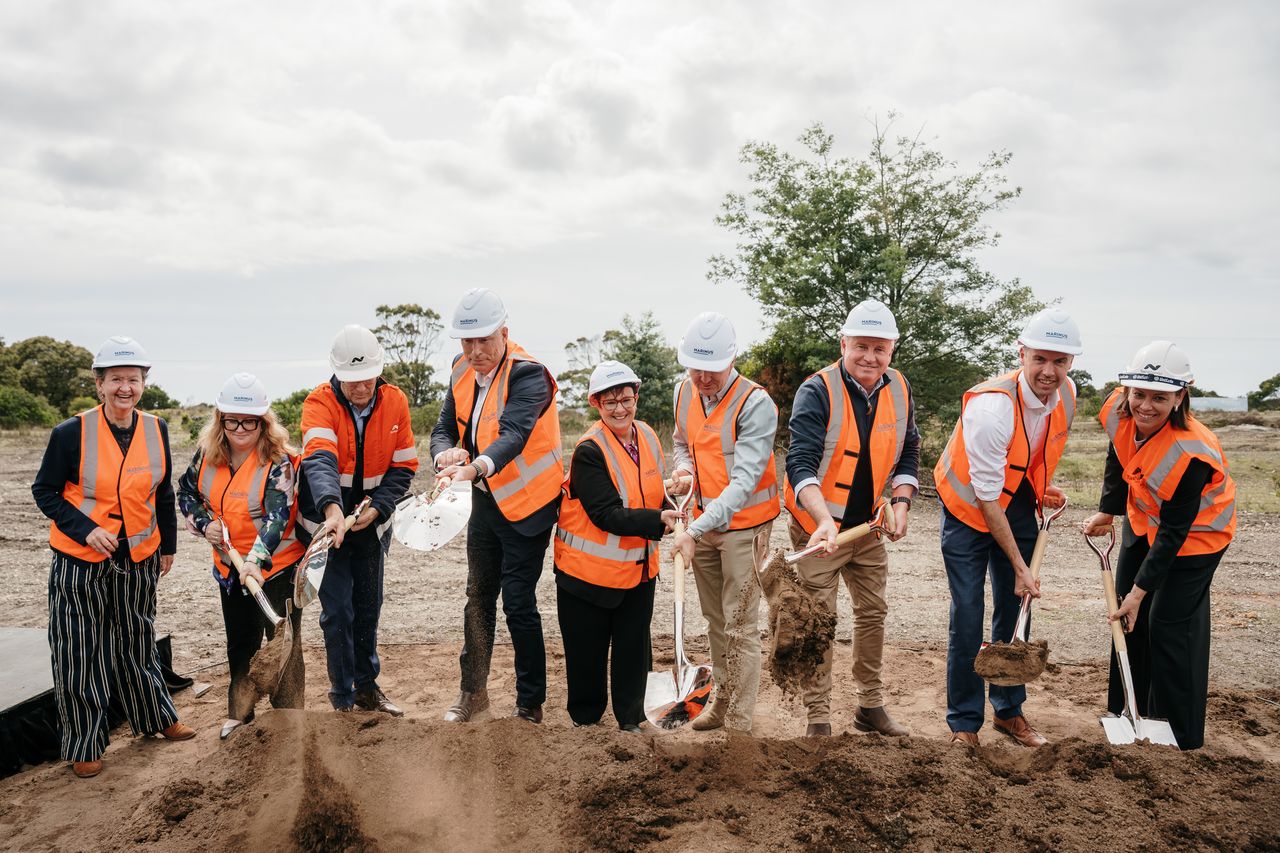
Construction has begun on Marinus Link, a 345-kilometre power cable connecting Tasmania and Victoria. The first stage, due by late 2030, will run 255 km undersea across Bass Strait and 90 km underground to the Latrobe Valley, delivering 750 MW of capacity: 50% more than the existing Basslink. The project includes the North West Transmission Developments, which will add 240 km of new and upgraded overhead lines in Tasmania to support the interconnector and renewable energy growth. Total completion is scheduled for 2030.
Where this fits
Marinus Link is a firming and transmission infrastructure bet: the cable's stated purpose is to "get the most out of hydropower, wind and solar resources" by allowing electricity to flow both ways and improving "flexibility, reliability and resilience." It is also a cost. The project belongs to the class of whole-system expenses that renewable grids require: when generation is weather-dependent, backbone transmission and storage become critical. Australia is building interconnectors and upgrading networks to compensate for the variability of wind and solar. This is necessary work, but it is work that a firm, dispatchable source would not demand.
What it means
A 345-kilometre subsea cable, 240 km of transmission lines, substations and switching stations represent substantial capital expenditure to enable renewable supply chains to perform. Marinus Link will tie Australia's east coast grids to Tasmania's hydro generation, but hydro capacity is finite and weather-dependent. The cable will also lock the system into reliance on real-time balancing and gas firming, since Tasmania alone cannot firm a renewable east coast. The project advances grid connectivity, which supports reliability. It does not address the structural need for firm dispatchable power, or the cost of building interconnection to substitute for it.
By the numbers
at ~A$2000–3200/kW installed. Source: CSIRO GenCost 2024-25. Indicative.
at a ~38% capacity factor, and only when the wind blows, so it still needs firming.
enough for 1–2 TWh a year of firm, always-on power, generating for ~60 years. Source: CSIRO GenCost 2024-25 (A$8.5–13.2bn/GW), IAEA capacity factor.
Figures are indicative conversions from the article's stated quantity using published cost, material and capacity factors (CSIRO GenCost, BNEF, IEA, IAEA). Ranges, not precise forecasts.
Go deeper on the numbers
The bigger picture
Energy security is national security. This connects to the wider case at Unprepared: Australia's dependence on a strategic rival, and how ready it is for the world that is coming.
Reported by PV Magazine Australia. Read the original report ↗
Related coverage
More batteries, both big and small, mean solar farms don’t have to shut down so often - Renew Economy
Concrete foundations completed for all 18 turbines at first and smallest wind farm to begin construction this year
Australia’s gas generation falls to lowest level since 2000 — OilPrice - UA.NEWS
Renewables Boom Pushes Australia's Gas Power to Quarter-Century Low - Crude Oil Prices Today | OilPrice.com
The numbers, as they move
A short, sourced brief when the figures shift: a transmission blow-out, a supply-chain move, a milestone.