How Neoen plans to reach 10GW in Australia by 2030
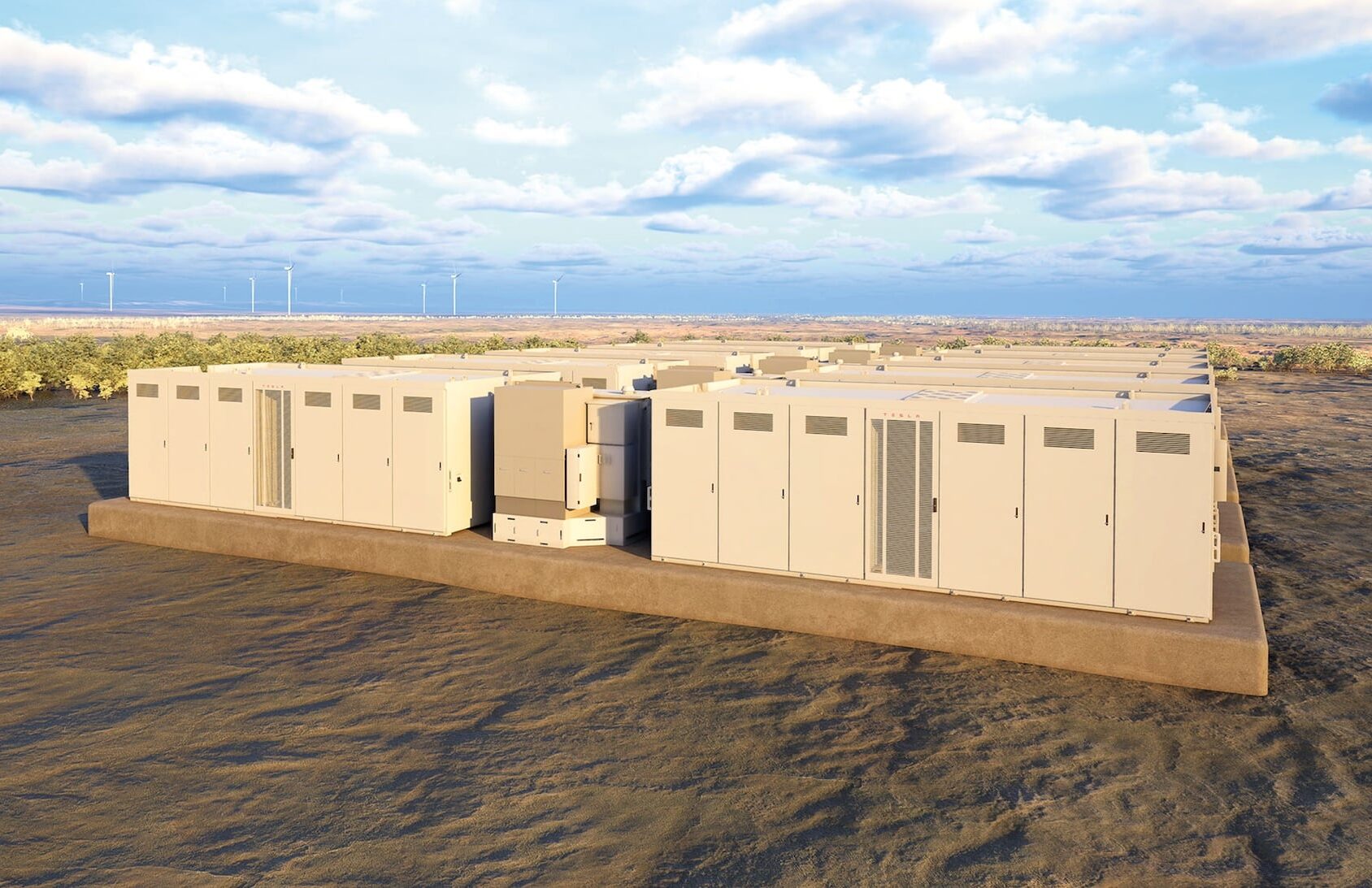
Neoen has secured $1.8 billion in debt financing to expand its generation and storage portfolio to 10GW across Australia by 2030. The company operates solar farms, wind farms, and battery projects, and the capital raise signals continued investor appetite for renewable and storage deployment at scale.
Where this fits
This story illustrates the cost structure of a renewables-heavy grid. Neoen's $1.8 billion funds solar, wind, and batteries, assets that are cheap per megawatt-hour but require vast upfront capital and, critically, cannot run without wind and sun. The financing underscores a pattern: Australia is building a grid that needs firming. That firming will come from gas plants (which burn fuel and emit carbon when the sun sets and wind drops) or from storage batteries (which are capital-intensive, short-duration, and sourced entirely from China's supply chain). Neither solves the core problem: a weather-dependent grid needs firm capacity, and Australia has legislatively removed the option of building it from nuclear.
What it means
Neoen's expansion means Australia is locking in higher whole-system costs and deeper dependence on Chinese battery and inverter supply. Every 10GW of renewable capacity deployed without firm domestic generation capacity requires either more gas burn for firming or more battery imports. This is not a path to energy sovereignty. A grid underpinned by firm, low-material, long-lived nuclear capacity would cost more per megawatt-hour up front, but would eliminate both the gas-firming liability and the strategic exposure to China's battery and rare-earth dominance. Australia is choosing the expensive, import-dependent route, not because it is cheaper or more secure, but because it is legal.
By the numbers
enough for 1–2 TWh a year of firm, always-on power, generating for ~60 years. Source: CSIRO GenCost 2024-25 (A$8.5–13.2bn/GW), IAEA capacity factor.
Figures are indicative conversions from the article's stated quantity using published cost, material and capacity factors (CSIRO GenCost, BNEF, IEA, IAEA). Ranges, not precise forecasts.
Go deeper on the numbers
The bigger picture
Energy security is national security. This connects to the wider case at Unprepared: Australia's dependence on a strategic rival, and how ready it is for the world that is coming.
Reported by Energy Magazine. Read the original report ↗
Related coverage
Wholesale hell: power prices to double by 2029, modelling shows - The Australian
‘More work to do’: Bowen’s admission on power prices - The Nightly
Snowy 2.0 Australia Electricity Bills: Will It Cut Costs? - Energy Matters
Stuck between price hikes and a hard place: Coalition must face up to coal exits and costly gas, experts warn - Renew Economy
The numbers, as they move
A short, sourced brief when the figures shift: a transmission blow-out, a supply-chain move, a milestone.