Tender success creates pathway to progress up to 13 GW of renewables
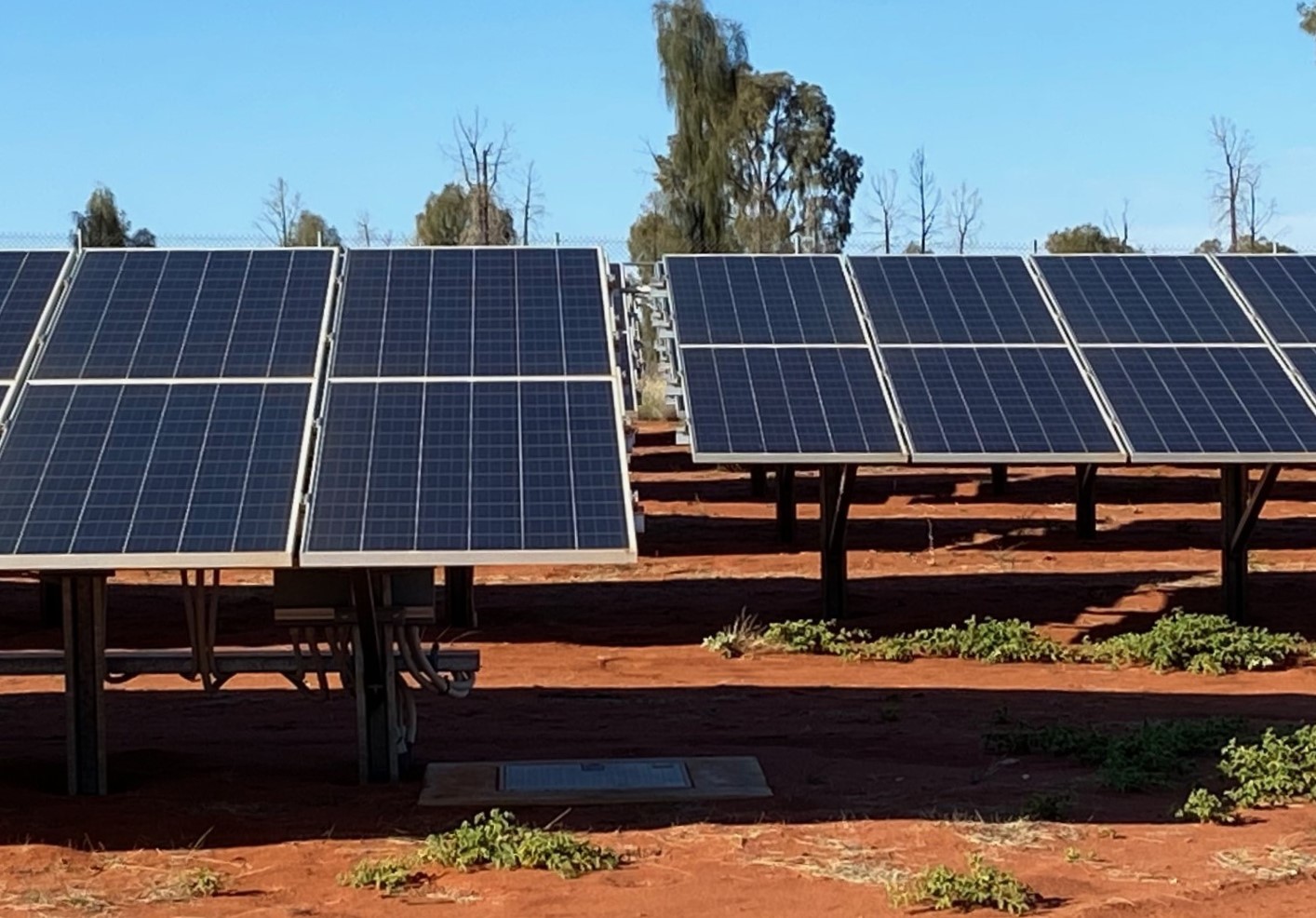
South Australia's government has approved four renewable projects totalling 12.66 GW capacity in the Whyalla West region. The projects include wind and solar proposals from Altra Energy (4.7 GW), Neoen (360 MW solar), Heron Energy (1.6 GW wind), and Windlab (up to 6 GW solar and wind, with a first stage of 1 GW wind plus battery storage). The developers can now apply for renewable energy feasibility licences. The state framed this as industrial renewal for Whyalla's post-manufacturing economy.
Where this fits
This is a capacity announcement, not a grid outcome. The figure of 12.66 GW is nameplate capacity. When weather-dependent solar and wind actually run in South Australia, the delivered power will be a fraction of that, varying by season and time of day. The projects also conceal the firming cost: South Australia already relies on gas plants and grid support from Victoria to balance renewable output. Adding another 13 GW of variable generation increases the need for either more gas burning or more battery storage. Battery scale and capital costs are hidden from this headline. The supply chain for panels, inverters and battery packs remains locked into China's manufacturing and mineral processing.
What it means
Australia is building a renewables-only grid without firm dispatchable capacity, at a hidden whole-system cost that will be borne by consumers and underwritten by gas. The alternative, a nuclear fleet that produces firm, low-emission power with a fraction of the material footprint and zero China supply-chain dependence, remains banned by law. Whyalla's industrial future depends on reliable, affordable power. A variable grid cannot deliver either at scale.
By the numbers
at ~A$2000–3200/kW installed. Source: CSIRO GenCost 2024-25. Indicative.
at a ~38% capacity factor, and only when the wind blows, so it still needs firming.
enough for 15–38 TWh a year of firm, always-on power, generating for ~60 years. Source: CSIRO GenCost 2024-25 (A$8.5–13.2bn/GW), IAEA capacity factor.
Figures are indicative conversions from the article's stated quantity using published cost, material and capacity factors (CSIRO GenCost, BNEF, IEA, IAEA). Ranges, not precise forecasts.
Go deeper on the numbers
The bigger picture
Energy security is national security. This connects to the wider case at Unprepared: Australia's dependence on a strategic rival, and how ready it is for the world that is coming.
Reported by PV Magazine Australia. Read the original report ↗
Related coverage
More batteries, both big and small, mean solar farms don’t have to shut down so often - Renew Economy
Concrete foundations completed for all 18 turbines at first and smallest wind farm to begin construction this year
Australia’s gas generation falls to lowest level since 2000 — OilPrice - UA.NEWS
Renewables Boom Pushes Australia's Gas Power to Quarter-Century Low - Crude Oil Prices Today | OilPrice.com
The numbers, as they move
A short, sourced brief when the figures shift: a transmission blow-out, a supply-chain move, a milestone.