China proposes ban on exports of perovskite, tandem solar manufacturing technology
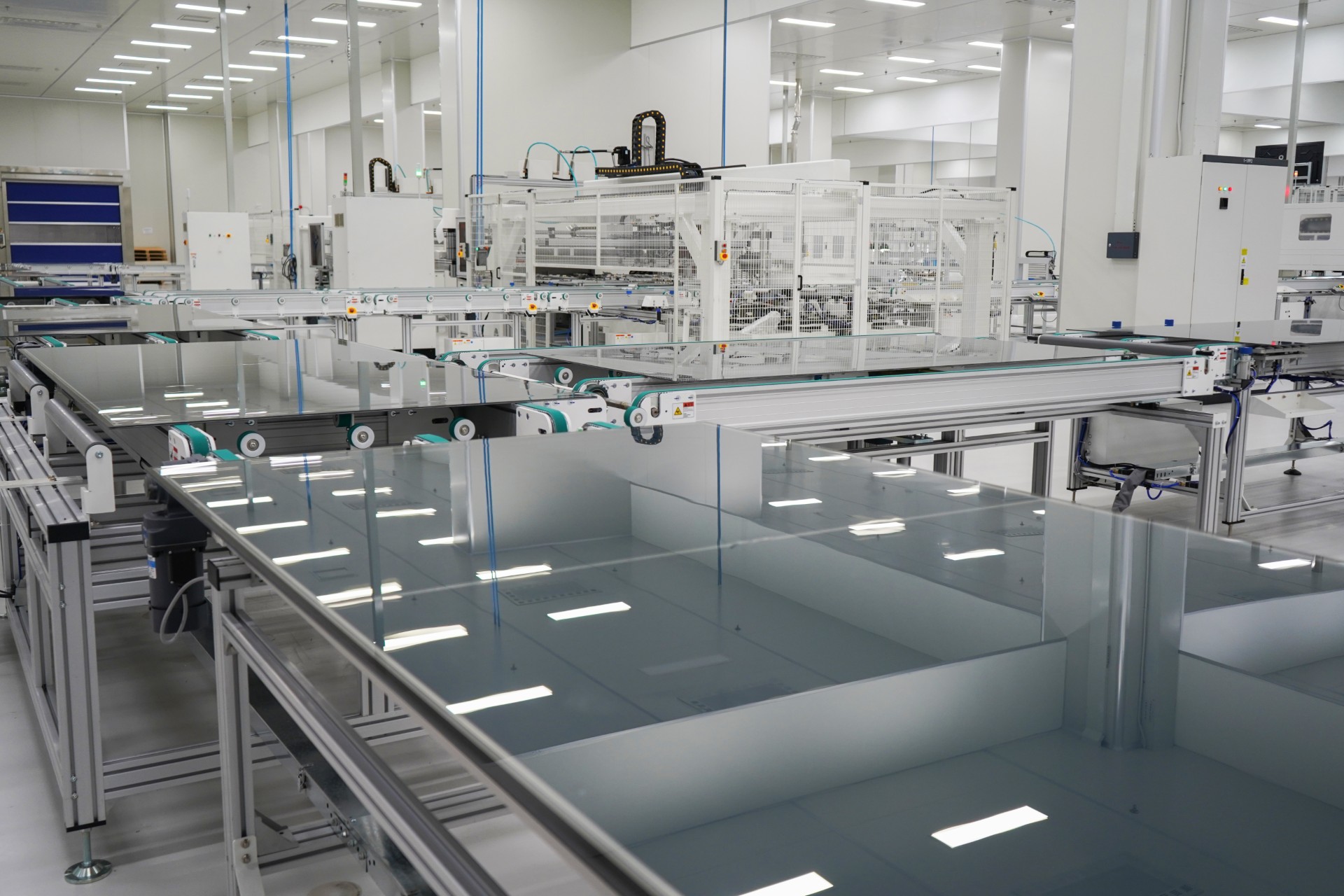
China's government has proposed banning exports of 12 high-efficiency solar manufacturing technologies, including perovskite-silicon tandem cell production processes, large-area perovskite coating equipment, and advanced polysilicon refining processes. The ban targets manufacturing know-how and equipment rather than finished panels, with thresholds set for efficiency levels and equipment scale. The proposal is open for public comment until mid-November and sits within a broader review of export controls across 40 technologies.
Where this fits
This is a sovereignty move, not a technical one. China controls the supply chain for solar manufacturing technology at every layer: polysilicon feedstock, wafer production, cell processing, and now the intellectual property for next-generation cells. The export ban signals that China intends to reserve the most advanced production techniques for domestic use and allied partners, leaving other countries dependent on finished-module imports or older technology. It underscores that Australia's renewable energy transition rests on a supply chain owned and controlled by a strategic rival, one now actively restricting the flow of know-how to other economies.
What it means
Australia cannot manufacture high-efficiency solar cells domestically because it lacks the industrial base and the technology access. The ban tightens that dependence: if Australia needs perovskite or tandem modules in future, it will source them from China at China's terms, subject to China's export policy and pricing power. This is not simply a materials problem; it is a national security problem dressed as energy policy. A firm, domestic, low-material alternative, nuclear power, remains banned by law, leaving the grid's future hostage to geopolitical favor and supply-chain goodwill.
Go deeper on the numbers
The bigger picture
Energy security is national security. This connects to the wider case at Unprepared: Australia's dependence on a strategic rival, and how ready it is for the world that is coming.
Reported by PV Magazine (intl). Read the original report ↗
Related coverage
Chinese PV Industry Brief: Polysilicon inventories remain high
Queensland boosts critical minerals sector with Australian-first facility - Mining.com.au
G Kishan Reddy to visit Australia for critical minerals cooperation - The News Mill
US, Australia mark anniversary of critical minerals deal - Asia Pacific Defence Reporter
The numbers, as they move
A short, sourced brief when the figures shift: a transmission blow-out, a supply-chain move, a milestone.