Hithium launches 4 MWh sodium-ion BESS with new 785Ah cell
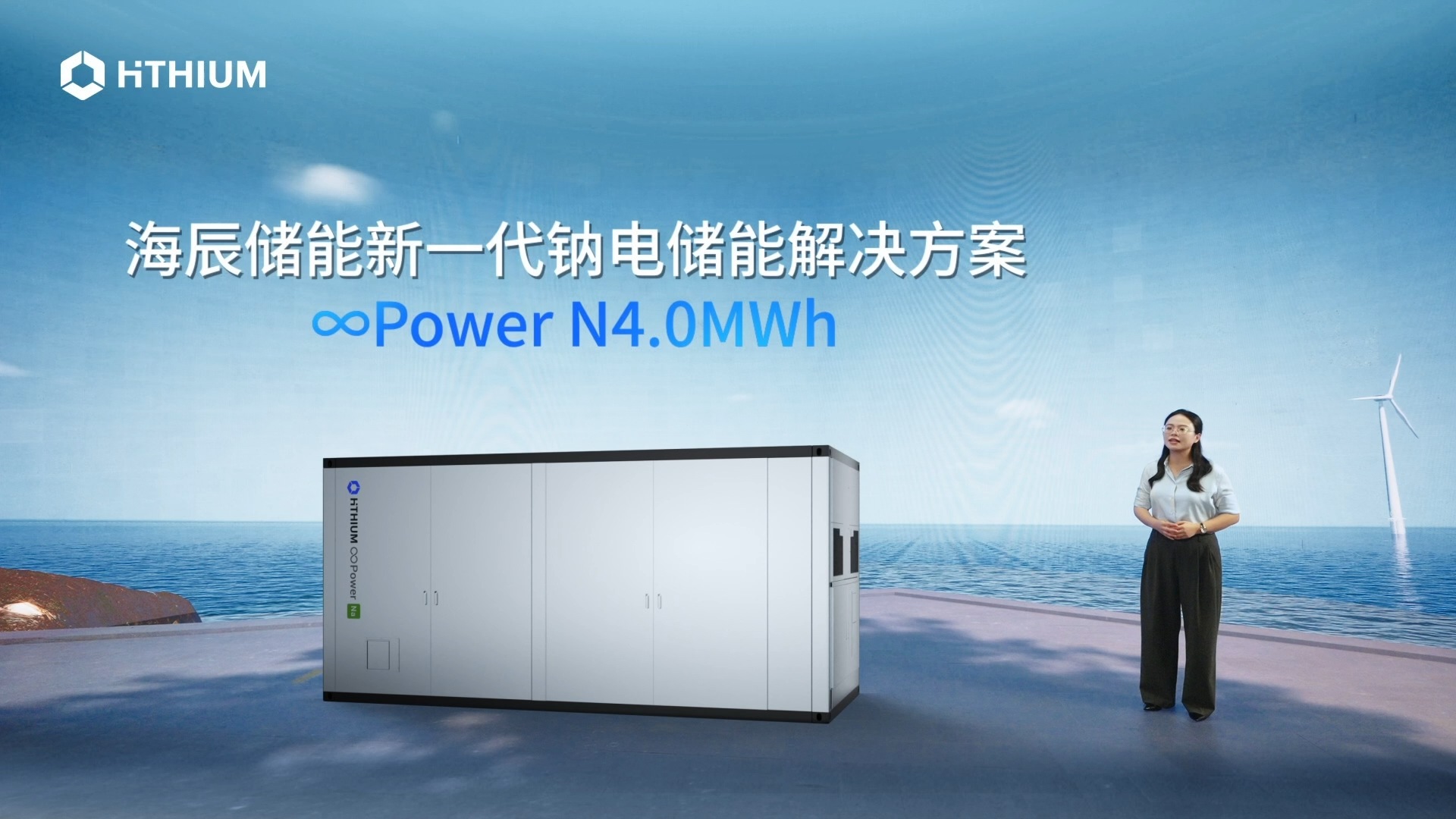
Chinese battery maker Hithium announced a 4 MWh sodium-ion energy storage system with a new 785 Ah cell, designed for a 30-year service life and 20,000 cycle count. Full-scale production is planned for 2027, beginning with utility-scale deployment before expanding into commercial, industrial and residential markets. The system will use Hithium's existing lithium-ion manufacturing lines and is engineered for 2- to 8-hour storage durations, with a footprint 30% smaller than the company's previous generation.
Where this fits
Sodium-ion batteries reduce the reliance on lithium and cobalt, materials tied to energy-intensive processing and geopolitical concentration. However, the story illustrates a deeper constraint: China controls the manufacturing and supply chain for nearly all battery chemistry options heading into Australia's grid. Whether the chemistry is lithium, sodium, or iron-phosphate, the factory, scale-up timeline, and cost curve are set in Beijing. This is not a materials breakthrough that shifts sovereignty; it is a manufacturing timeline in 2027 with no Australian alternative at scale.
What it means
A sodium-ion option widens the toolkit for stationary storage and reduces singular dependence on lithium. Yet it deepens Australia's reliance on Chinese battery factories for the firming infrastructure that a weather-dependent renewable grid demands. Until Australia hosts large-scale battery manufacturing or invests in firm, dispatchable generation that does not need batteries, nuclear being the lowest-emission option, the transition remains hostage to Chinese production capacity and supply decisions. Cheaper chemistry alone does not solve the grid's need for reliable, domestically controlled firm power.
Go deeper on the numbers
The bigger picture
Energy security is national security. This connects to the wider case at Unprepared: Australia's dependence on a strategic rival, and how ready it is for the world that is coming.
Reported by PV Magazine Australia. Read the original report ↗
Related coverage
Panel recycling laws needed now as 2035 million-tonne solar waste mountain looms - pv magazine Australia
New framework identifies key costs in PV panel recycling
Australia’s Clean Energy Success Creating a Million-Ton Waste Problem: Report - AZoCleantech
From Clean Energy to Waste Crisis: Australia's Solar Revolution Faces a Billion-Dollar Challenge - Devdiscourse
The numbers, as they move
A short, sourced brief when the figures shift: a transmission blow-out, a supply-chain move, a milestone.