The shape of PPAs is changing – from volume to value. Are you positioned to capture the premium in emerging NEM value pools?
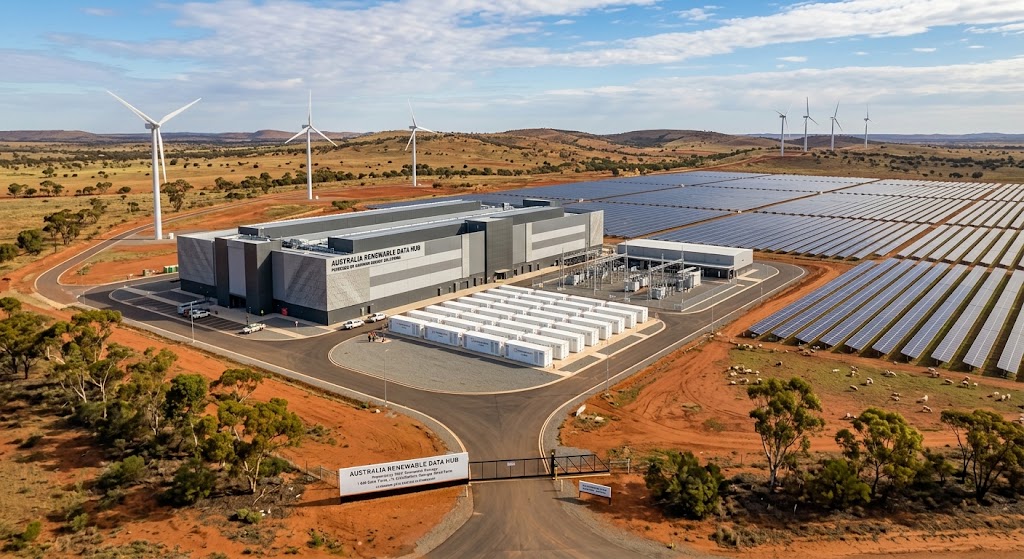
Australia's renewable energy market is shifting from paying for volume alone to paying for "firmness and shape", the ability to deliver power when and where the grid needs it. Coal retirements are removing both generation capacity and financial hedging products from the National Electricity Market, creating demand for services that batteries and shaped renewable output can supply. A 600 MW, 12-year supply agreement between Firmus and commodity trader Gunvor exemplifies this trend. Federal and state policy initiatives, the Capacity Investment Scheme, New South Wales Long-Term Energy Services Agreements, Victorian Renewable Energy Target, and South Australian Firm Energy Reliability Mechanism, are now structuring investment around firmness and shape, with the proposed Electricity Services Entry Mechanism expected to become a key driver post-2030.
Where this fits
This is a reliability story disguised as a market mechanics story. The transition from volume contracts to firmness contracts is an admission that renewables alone cannot reliably serve the grid. Australia is now having to build costly new markets and services layers to make weather-dependent generation behave like firm power. This cost, firming, shaping, hedging products, storage, was not present when the grid ran on coal and nuclear, and it does not appear in headline renewable costs.
What it means
The grid is becoming more complex and more expensive to operate. Every dollar spent on batteries, demand management, and financial hedging is a dollar spent to solve a problem that firm dispatchable power does not create. Australia is locking in a supply chain dependent on Chinese battery and inverter makers at the same time it is building out a system that structurally demands more of them.
By the numbers
at ~A$1100–1600/kW installed. Source: CSIRO GenCost 2024-25. Indicative.
at a ~24% capacity factor, and only when the sun shines, so it still needs firming.
~80% of modules are China-made. Source: IEA solar supply-chain data.
enough for 0–1 TWh a year of firm, always-on power, generating for ~60 years. Source: CSIRO GenCost 2024-25 (A$8.5–13.2bn/GW), IAEA capacity factor.
Figures are indicative conversions from the article's stated quantity using published cost, material and capacity factors (CSIRO GenCost, BNEF, IEA, IAEA). Ranges, not precise forecasts.
Go deeper on the numbers
The bigger picture
Energy security is national security. This connects to the wider case at Unprepared: Australia's dependence on a strategic rival, and how ready it is for the world that is coming.
Reported by PV Magazine Australia. Read the original report ↗
Related coverage
More batteries, both big and small, mean solar farms don’t have to shut down so often - Renew Economy
Concrete foundations completed for all 18 turbines at first and smallest wind farm to begin construction this year
Australia’s gas generation falls to lowest level since 2000 — OilPrice - UA.NEWS
Renewables Boom Pushes Australia's Gas Power to Quarter-Century Low - Crude Oil Prices Today | OilPrice.com
The numbers, as they move
A short, sourced brief when the figures shift: a transmission blow-out, a supply-chain move, a milestone.