Coal country battery project that earned ire of state MPs joins queue for federal environmental approval
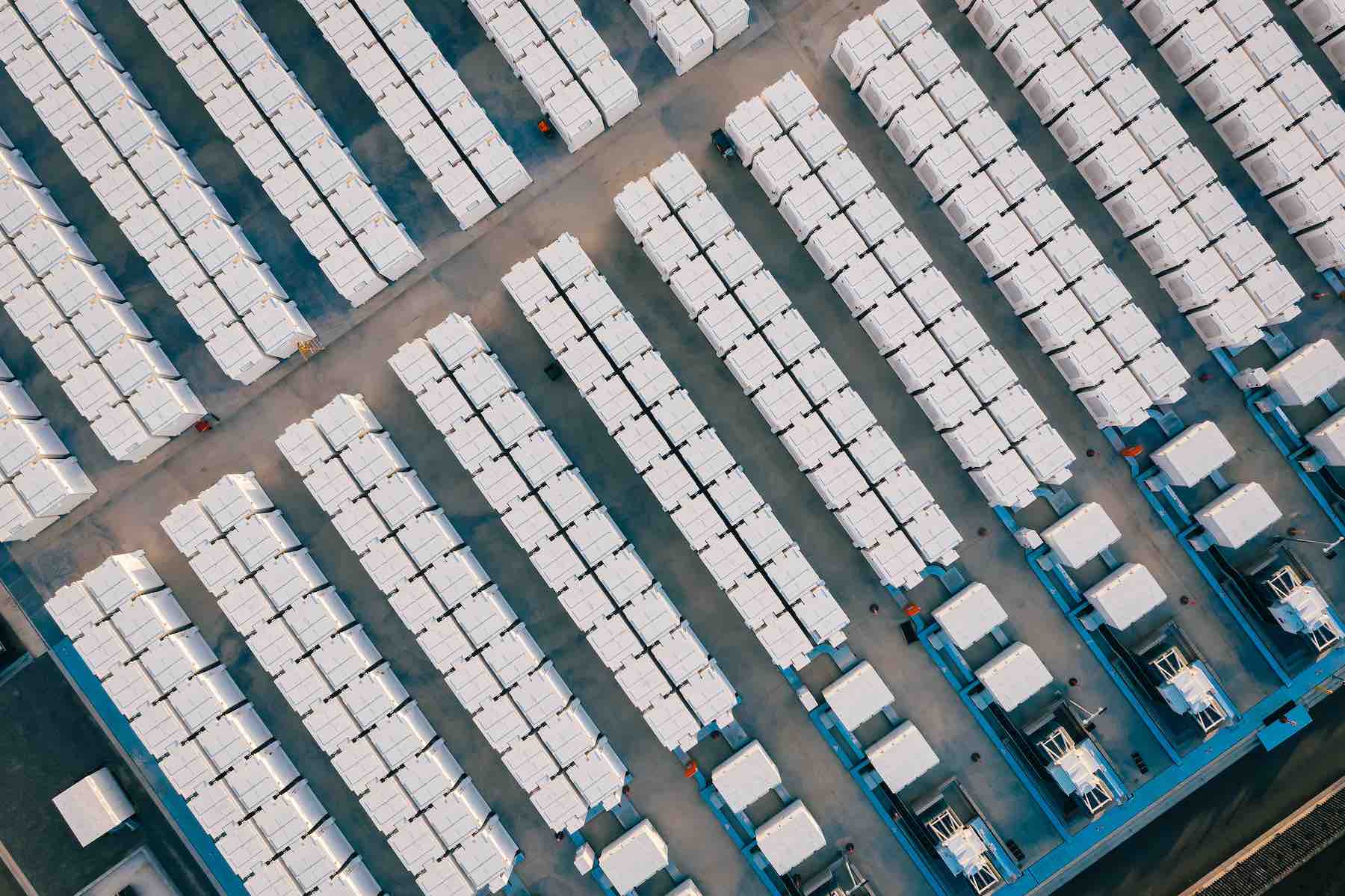
A 200 MW, four-hour battery storage project proposed near Warragul in Victoria's Gippsland has entered federal environmental assessment. Samsung C&T is developing the 800 MWh Darnum Battery Energy Storage System on former dairy farmland. The project will connect to AusNet's 220 kV transmission line and is designed to provide grid stability support. It has faced significant local opposition, including from Baw Baw Shire Council and state MPs, on grounds that it converts productive agricultural land to energy infrastructure.
Where this fits
This project exemplifies the hidden cost of a renewables-dependent grid: the need for massive, geographically dispersed firming capacity. A four-hour battery stores only the energy discharged in four hours; a weather pattern lasting days requires either overbuild or gas backup. The land-use trade-off is real. Gippsland is dairy country, and converting arable land to battery plants reflects the whole-system material footprint that renewables-only pathways incur. Firm, energy-dense nuclear power requires far less land per unit of reliable output, yet remains legally unavailable in Australia.
What it means
Australia is committing to a grid architecture that demands batteries at scale scattered across productive regions. Each project will face the same land-use friction, environmental review cycles, and community resistance. The alternative, firm dispatchable power from a small nuclear station, would occupy a fraction of the footprint and run on an indefinite fuel cycle, but is excluded by law. The Darnum project is not a failure; it is a symptom of the cost structure Australia has chosen to bear.
By the numbers
at ~A$600–1000/kWh installed. Source: BNEF, CSIRO GenCost 2024-25. Indicative.
of average national (NEM) demand if fully dischargeable, then it needs recharging. Storage shifts power, it does not generate it.
lithium, graphite, nickel, copper and cobalt (~80 t lithium content). Replaced roughly every 12 years. Source: IEA, Argonne GREET. Indicative.
~75% of cells are China-made. Source: IEA cell-manufacturing share.
enough for 0–1 TWh a year of firm, always-on power, generating for ~60 years. Source: CSIRO GenCost 2024-25 (A$8.5–13.2bn/GW), IAEA capacity factor.
Figures are indicative conversions from the article's stated quantity using published cost, material and capacity factors (CSIRO GenCost, BNEF, IEA, IAEA). Ranges, not precise forecasts.
Go deeper on the numbers
The bigger picture
Energy security is national security. This connects to the wider case at Unprepared: Australia's dependence on a strategic rival, and how ready it is for the world that is coming.
Reported by RenewEconomy. Read the original report ↗
Related coverage
More batteries, both big and small, mean solar farms don’t have to shut down so often - Renew Economy
Concrete foundations completed for all 18 turbines at first and smallest wind farm to begin construction this year
Australia’s gas generation falls to lowest level since 2000 — OilPrice - UA.NEWS
Renewables Boom Pushes Australia's Gas Power to Quarter-Century Low - Crude Oil Prices Today | OilPrice.com
The numbers, as they move
A short, sourced brief when the figures shift: a transmission blow-out, a supply-chain move, a milestone.