AusNet invests $100M to strengthen Mallee electricity supply
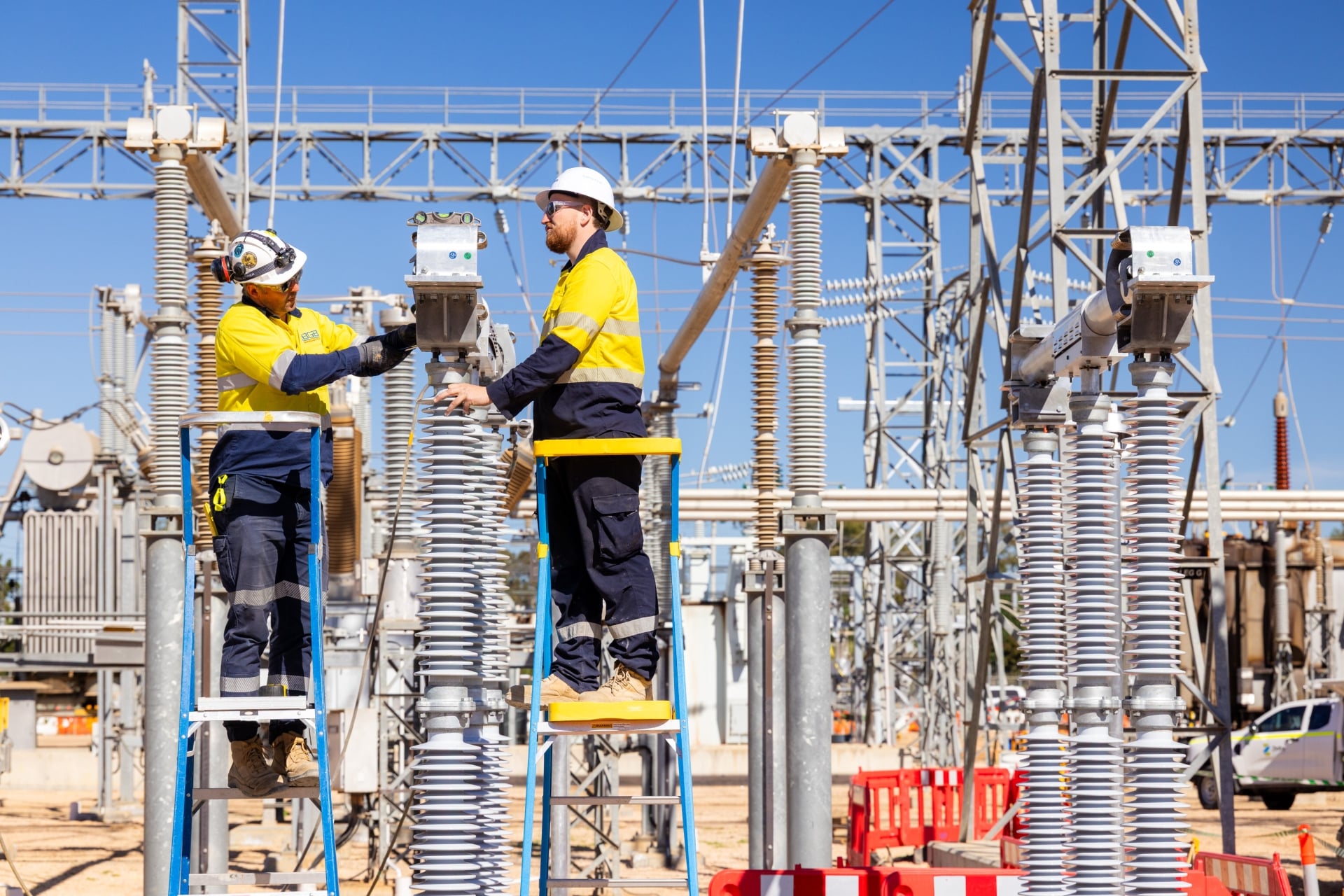
AusNet is investing $100 million to install two new transformers at Red Cliffs Terminal Station in north-west Victoria. The upgrade is designed to strengthen electricity transmission capacity in the Mallee region.
Where this fits
This is a transmission-reinforcement story, and it sits at the heart of the renewables-transition cost structure. A grid built on weather-dependent generation requires overbuild in transmission: the cables and substations must carry peak output from distant wind and solar farms when weather permits, then stand idle or underutilised when it does not. A dispatchable firm power plant needs less transmission per unit of reliable output. Australia is now building transmission infrastructure to firm up renewable variability. This $100 million investment is one of many such projects across the grid, and their aggregate cost, transmission, substations, transformers, new poles and cables, rarely appears in the headline cost of "cheap renewables." It belongs in the whole-system tally.
What it means
The Mallee region is a strategic location for Victoria's renewable build, and the transformation of its transmission backbone reflects the grid's growing dependence on carrying renewable output from generation-rich regions to load centres. Each such infrastructure push postpones Australia's reckoning with grid resilience: a transmission system built to evacuate intermittent renewable power is more brittle than one anchored to firm baseload. Had Australia retained the option to site new generation close to demand, via distributed nuclear or other firm sources, the transmission overbuild could have been smaller and the grid more locally resilient. Instead, the architecture now being locked in is one of long-distance renewable evacuation, higher capital intensity, and greater exposure to weather and supply-chain risk across China's transformer and substation supply chain.
Go deeper on the numbers
The bigger picture
Energy security is national security. This connects to the wider case at Unprepared: Australia's dependence on a strategic rival, and how ready it is for the world that is coming.
Reported by Utility Magazine. Read the original report ↗
Related coverage
AGL commissions 500-MW Liddell battery in New South Wales - Renewables Now
Templers BESS underway again, in a post-Zen world
Businesses “do the math” and want to go electric – right up until they try to connect to the grid
Renewables hit a new all-time high on Australia’s main grid, nearly half of it from rooftop solar - Renew Economy
The numbers, as they move
A short, sourced brief when the figures shift: a transmission blow-out, a supply-chain move, a milestone.