AEP, Amazon and X-energy planning 12-SMR plant
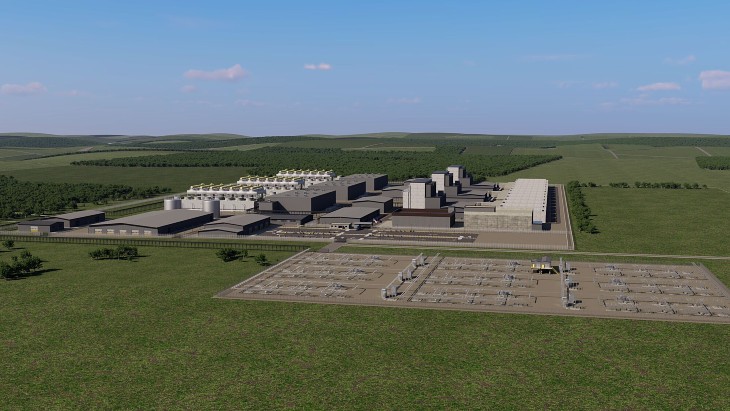
American Electric Power, Amazon and X-energy have signed a joint development agreement to explore a 960 MW small modular reactor (SMR) project at a former coal plant site in Sullivan County, Indiana. The proposal would deploy twelve Xe-100 reactors, each 80 MW, arranged in three groups of four. Amazon has committed to a long-term power purchase agreement covering the facility's capital and operating costs, and the site has been designated part of Indiana's Advanced Nuclear Ready Communities Program. The project is expected to create roughly 1,000 construction jobs and 100 permanent positions.
Where this fits
This is a live data point on the firm-power alternative to a renewables-only grid. SMRs are dispatchable, weather-independent generation with the lowest lifecycle emissions of any power source. The deal hinges on an industrial anchor tenant, Amazon, willing to underwrite the full cost without passing it to ratepayers. That model sidesteps the cost-shifting problem that plagues renewables: solar and wind require system-wide subsidies (transmission overbuild, gas backup, storage) that are invisible in the headline megawatt-hour price but paid by the broader grid. Here, one customer funds one asset and takes the risk.
What it means
For Australia, this signals the global direction: data centres, heavy industry and utilities are choosing firm nuclear when they can. Australia has banned SMRs by law, foreclosing this pathway while China dominates the solar, battery and inverter supply chain that the renewables transition depends on. A grid built on imported weather-dependent generation and Chinese-sourced components is strategically vulnerable. The Indiana project shows what energy sovereignty and grid resilience can look like; Australia is moving the opposite direction.
By the numbers
at ~A$2000–3200/kW installed. Source: CSIRO GenCost 2024-25. Indicative.
at a ~38% capacity factor, and only when the wind blows, so it still needs firming.
enough for 1–3 TWh a year of firm, always-on power, generating for ~60 years. Source: CSIRO GenCost 2024-25 (A$8.5–13.2bn/GW), IAEA capacity factor.
Figures are indicative conversions from the article's stated quantity using published cost, material and capacity factors (CSIRO GenCost, BNEF, IEA, IAEA). Ranges, not precise forecasts.
Go deeper on the numbers
The bigger picture
Energy security is national security. This connects to the wider case at Unprepared: Australia's dependence on a strategic rival, and how ready it is for the world that is coming.
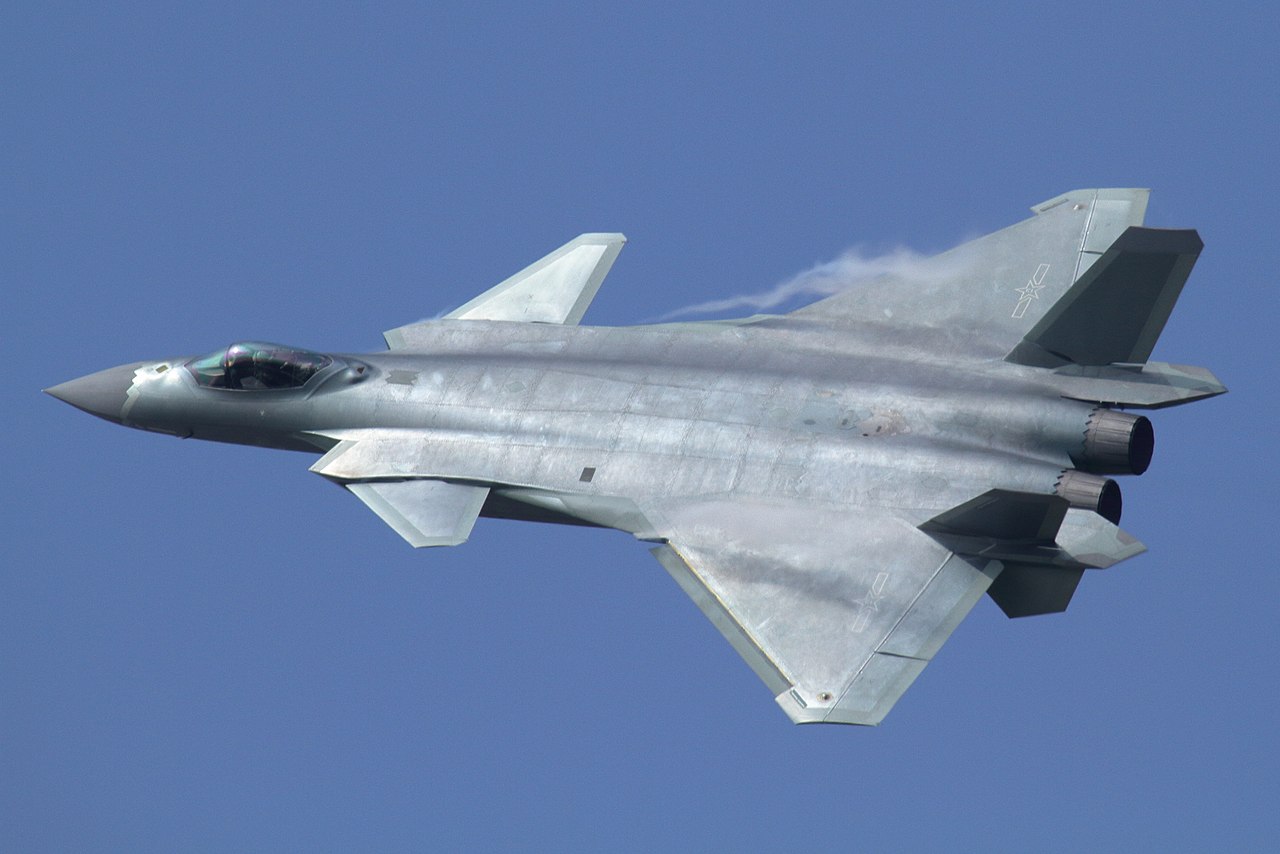
Xi Jinping and the Purge That Built an Army
The PLA that Xi Jinping inherited in 2012 was modernising, and the one he commands in 2026 is transformed. Part IV of the Unprepared series.
Reported by World Nuclear News. Read the original report ↗
Related coverage
Paladin targets 2031 uranium production with $525m raising - Australian Resources & Investment
$3.9b uranium player Paladin looks to raise $525m - AFR
Data centres revive Coalition passion for nuclear power, but this time more expensive and even less realistic - Renew Economy
Russia proposes carbon credits framework for SMRs
The numbers, as they move
A short, sourced brief when the figures shift: a transmission blow-out, a supply-chain move, a milestone.