Ausgrid releases energy mapping data to support solar and battery investment
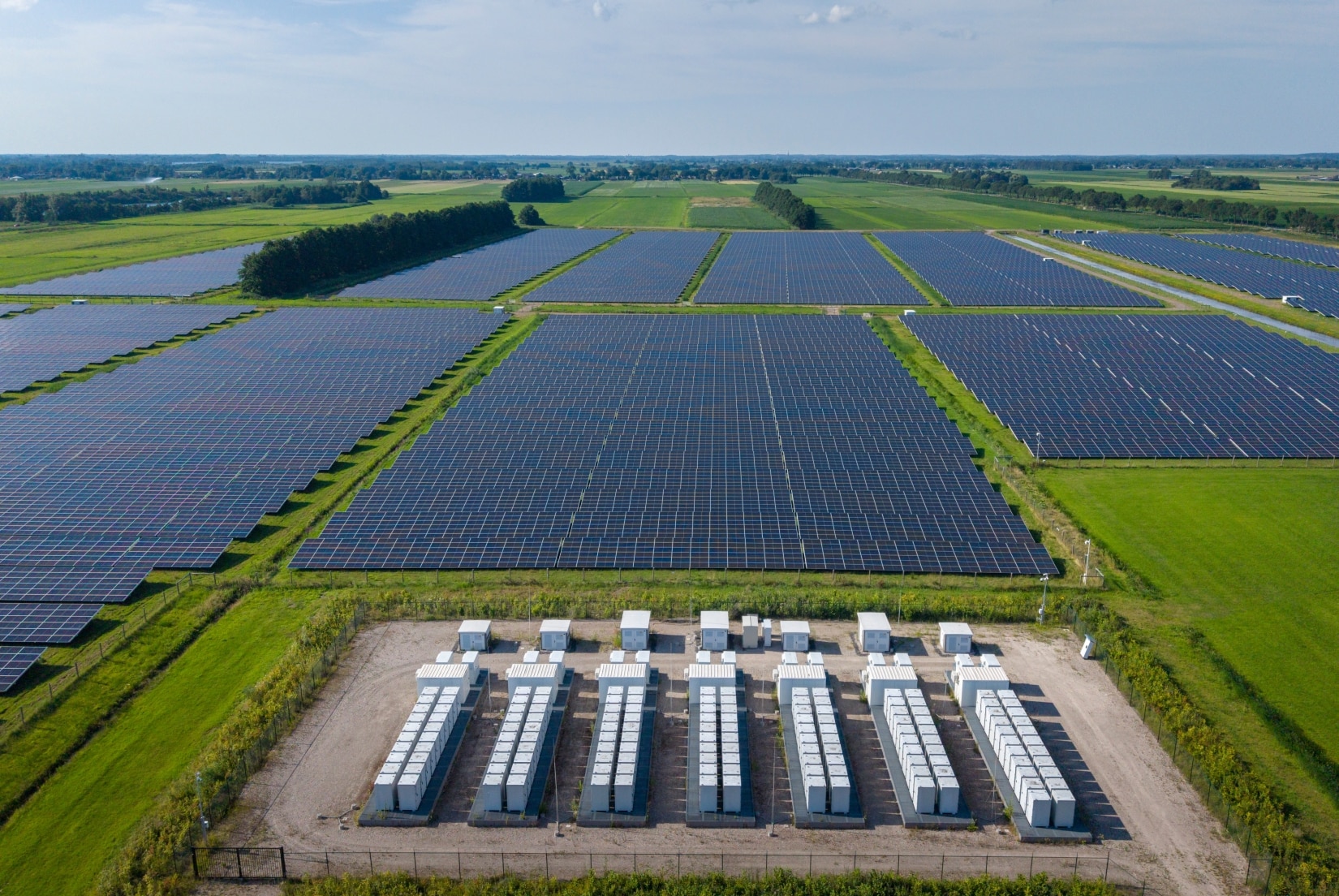
Ausgrid has released spatial energy planning data across three areas of its network to help businesses and investors identify sites suitable for solar, battery and other distributed energy projects.
Where this fits
This is infrastructure for the renewables build-out, and it addresses a real problem: siting distributed generation without grid-wide visibility creates congestion and stranding risk. But the data release implicitly accepts the premise that solar and batteries are the primary levers for decarbonisation. It does not address the structural cost that spatial planning cannot solve: weather-dependent generation requires either massive overbuild of transmission capacity to move power across weather patterns, or firm dispatchable backup. Ausgrid's mapping makes the renewables deployment faster, not cheaper or more reliable at scale. It is a tool for optimising a constrained strategy, not for questioning the strategy itself.
What it means
Better data will improve the efficiency of distributed solar and battery rollout within the Ausgrid footprint. But it does not reduce the bill for firming capacity, which remains either gas peaking plant (ongoing emissions and fuel-price exposure) or compressed-air, pumped hydro or grid-scale batteries (all capital-intensive and material-hungry, with significant embedded emissions from manufacturing). Australia is building a grid whose resilience depends on weather forecasting and gas backup, supplied through a minerals and manufacturing supply chain dominated by China. Faster solar siting does not change that structural fact. A firm, energy-dense, low-material alternative, nuclear, remains legally off the table, and the cost of that choice is invisible in announcements like this one.
Go deeper on the numbers
The bigger picture
Energy security is national security. This connects to the wider case at Unprepared: Australia's dependence on a strategic rival, and how ready it is for the world that is coming.

Xi Jinping and the Purge That Built an Army
The PLA that Xi Jinping inherited in 2012 was modernising, and the one he commands in 2026 is transformed. Part IV of the Unprepared series.
Reported by Utility Magazine. Read the original report ↗
Related coverage
Rural Australian communities are hosting the clean energy boom. Are they getting a fair say? - The Conversation
One Nation pledges to tear down offshore gas bans - The Australian
Domestic Gas Reservation: Landmark Bill Secures Up to 20% of LNG - NewsCop
Wind and battery project called in by LNP trims turbines by 10, adds 3,429 pages of “more information”
The numbers, as they move
A short, sourced brief when the figures shift: a transmission blow-out, a supply-chain move, a milestone.