Australia’s Home Battery Fleet vs Snowy 2.0: Who’s Really Storing the Grid’s Energy?
Australia has installed 400,000 home batteries through a federal rebate scheme. The article compares this distributed fleet with Snowy 2.0, the planned pumped-hydro expansion, and discusses how virtual power plant (VPP) aggregation could deploy the batteries to support grid stability.
Where this fits
Home batteries are weather-dependent storage. They charge from rooftop solar when the sun shines and discharge when demand peaks or generation falls. The comparison with Snowy 2.0 highlights a structural problem: distributed batteries cannot reliably firm a grid because they empty when solar output is low, which is precisely when the grid needs them most. Snowy 2.0 is dispatchable storage, available on demand regardless of weather. The article touches on a cost-and-reliability trade: Australia is building storage that responds to weather, not to grid need, while the firm alternative, pumped hydro, nuclear, gas with carbon capture, sits in policy limbo or years away.
What it means
A VPP can optimise when 400,000 home batteries charge and discharge, but optimisation cannot create stored energy that does not exist. On cloudy evenings, when heating or cooling demand peaks and solar has produced nothing, a VPP manages scarcity, not abundance. The real storage capacity of the home battery fleet is bounded by how much solar energy was available to charge it that day. Australia is therefore building grid resilience on a foundation that cannot be controlled or counted on when weather fails. Firm, dispatchable power, hydro, nuclear, or gas with carbon capture, remains the only answer to days when the sun does not shine and the wind does not blow.
Go deeper on the numbers
The bigger picture
Energy security is national security. This connects to the wider case at Unprepared: Australia's dependence on a strategic rival, and how ready it is for the world that is coming.
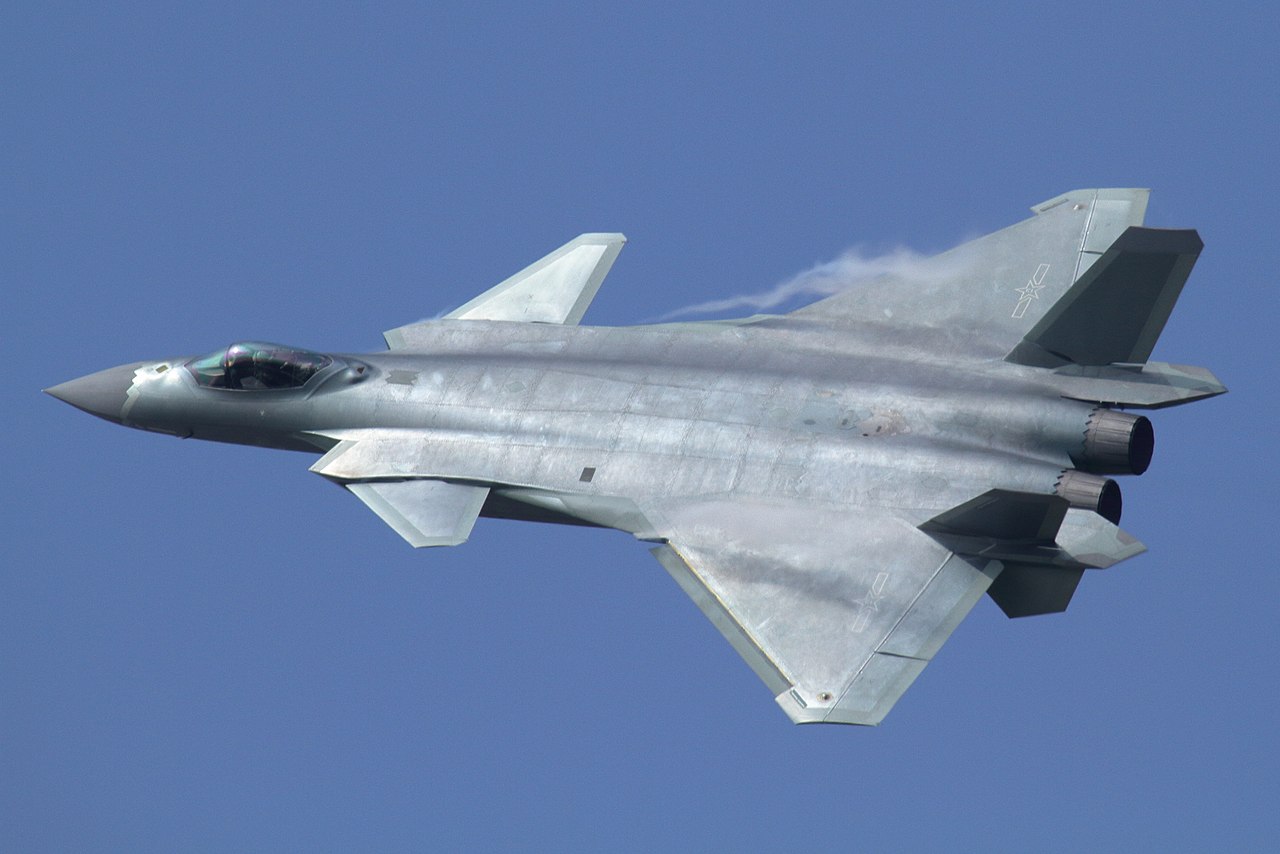
Xi Jinping and the Purge That Built an Army
The PLA that Xi Jinping inherited in 2012 was modernising, and the one he commands in 2026 is transformed. Part IV of the Unprepared series.
Reported by Energy Matters. Read the original report ↗
Related coverage
What grid-forming kit are Australia’s largest solar–BESS hybrids using?
New four-hour battery storage proposal seeks federal green tick for Australia’s most renewable state grid
SA gives green light for gas to help power future data centres - ABC News & Headlines – Australian Broadcasting Corporation
Concentrated Solar Power (CSP) in Australia: Can It Work Alongside Rooftop Solar? - Energy Matters
The numbers, as they move
A short, sourced brief when the figures shift: a transmission blow-out, a supply-chain move, a milestone.