ACCIONA contracted for 2GW Gippsland offshore wind transmission project
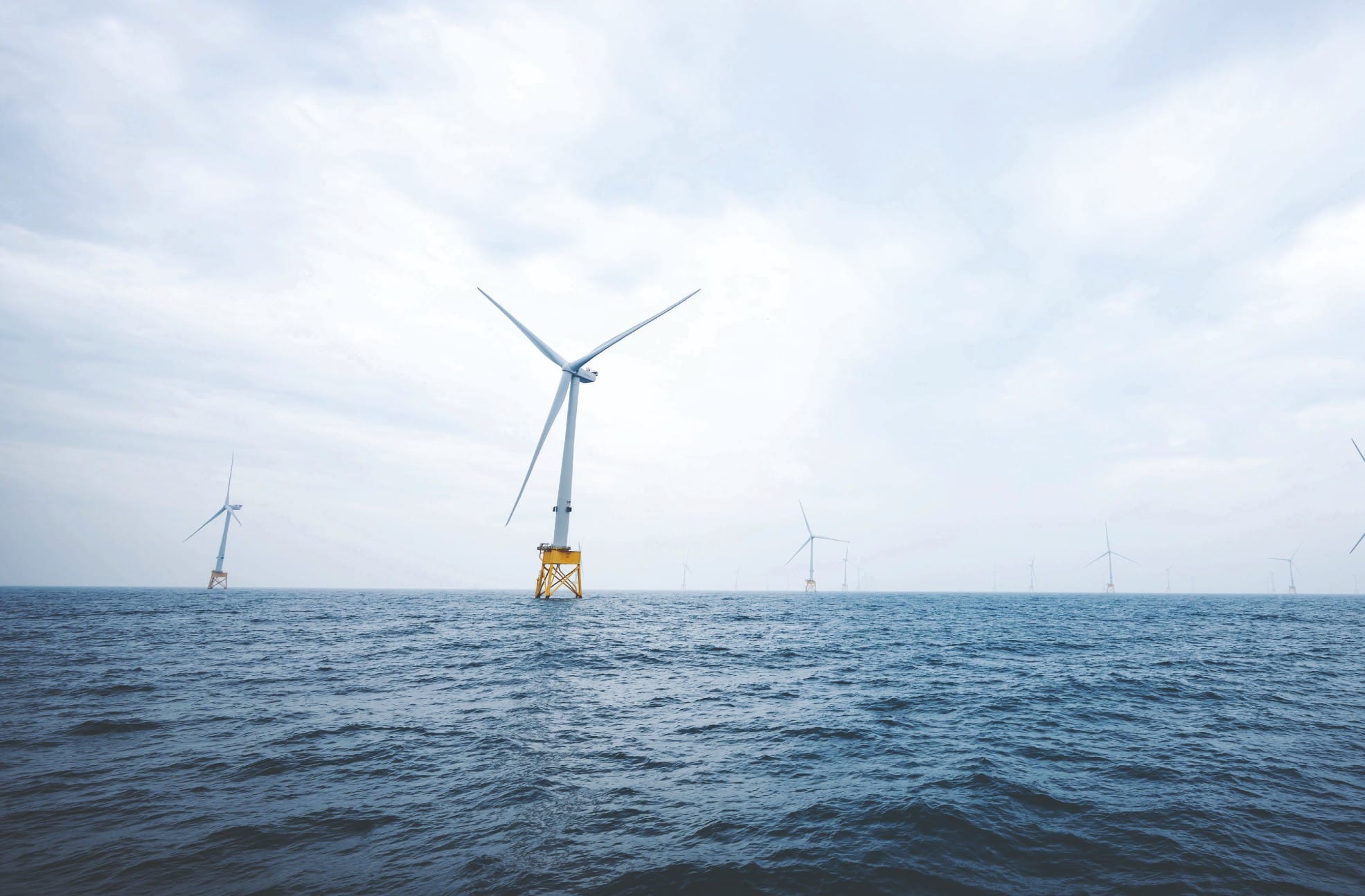
ACCIONA has been selected as preferred development partner for VicGrid's 2GW Gippsland offshore wind transmission project. The article cites modelling that without offshore wind, an extra 3.4 terawatt hours of gas would be required in the National Electricity Market by 2040.
Where this fits
This project bears directly on the transmission and firming cost of Australia's renewable transition. A 2GW offshore wind farm requires not only the turbines themselves but dedicated transmission infrastructure to land the power, a capital cost often underestimated in renewable deployment. The article frames offshore wind as a gas-avoidance measure, which is accurate. It does not state the installed cost of the transmission, the total capex for the 2GW facility, or the grid's firm capacity requirement that offshore wind cannot meet on its own. Those gaps matter: offshore wind displaces some gas burn but does not eliminate the need for dispatchable plant to cover low-wind periods, leaving Australia still dependent on gas (or batteries, which compound the China supply-chain lock-in) for reliability.
What it means
Australia is committing capital to transmission infrastructure that serves a weather-dependent source, betting that gas will remain available and affordable as a backup through 2040. The offshore wind will reduce gas use in high-wind periods; it will not reduce the grid's reliance on gas or battery storage for the hours and days when wind output falls. Meanwhile, a dispatchable, low-emissions alternative, nuclear, remains legally barred from consideration. The transition is narrower in its toolbox than engineering and cost efficiency would allow.
By the numbers
at ~A$2000–3200/kW installed. Source: CSIRO GenCost 2024-25. Indicative.
at a ~38% capacity factor, and only when the wind blows, so it still needs firming.
enough for 2–6 TWh a year of firm, always-on power, generating for ~60 years. Source: CSIRO GenCost 2024-25 (A$8.5–13.2bn/GW), IAEA capacity factor.
Figures are indicative conversions from the article's stated quantity using published cost, material and capacity factors (CSIRO GenCost, BNEF, IEA, IAEA). Ranges, not precise forecasts.
Go deeper on the numbers
The bigger picture
Energy security is national security. This connects to the wider case at Unprepared: Australia's dependence on a strategic rival, and how ready it is for the world that is coming.
Reported by Energy Magazine. Read the original report ↗
Related coverage
More batteries, both big and small, mean solar farms don’t have to shut down so often - Renew Economy
Concrete foundations completed for all 18 turbines at first and smallest wind farm to begin construction this year
Australia’s gas generation falls to lowest level since 2000 — OilPrice - UA.NEWS
Renewables Boom Pushes Australia's Gas Power to Quarter-Century Low - Crude Oil Prices Today | OilPrice.com
The numbers, as they move
A short, sourced brief when the figures shift: a transmission blow-out, a supply-chain move, a milestone.