NSW tenders for 1500MW of firming capacity
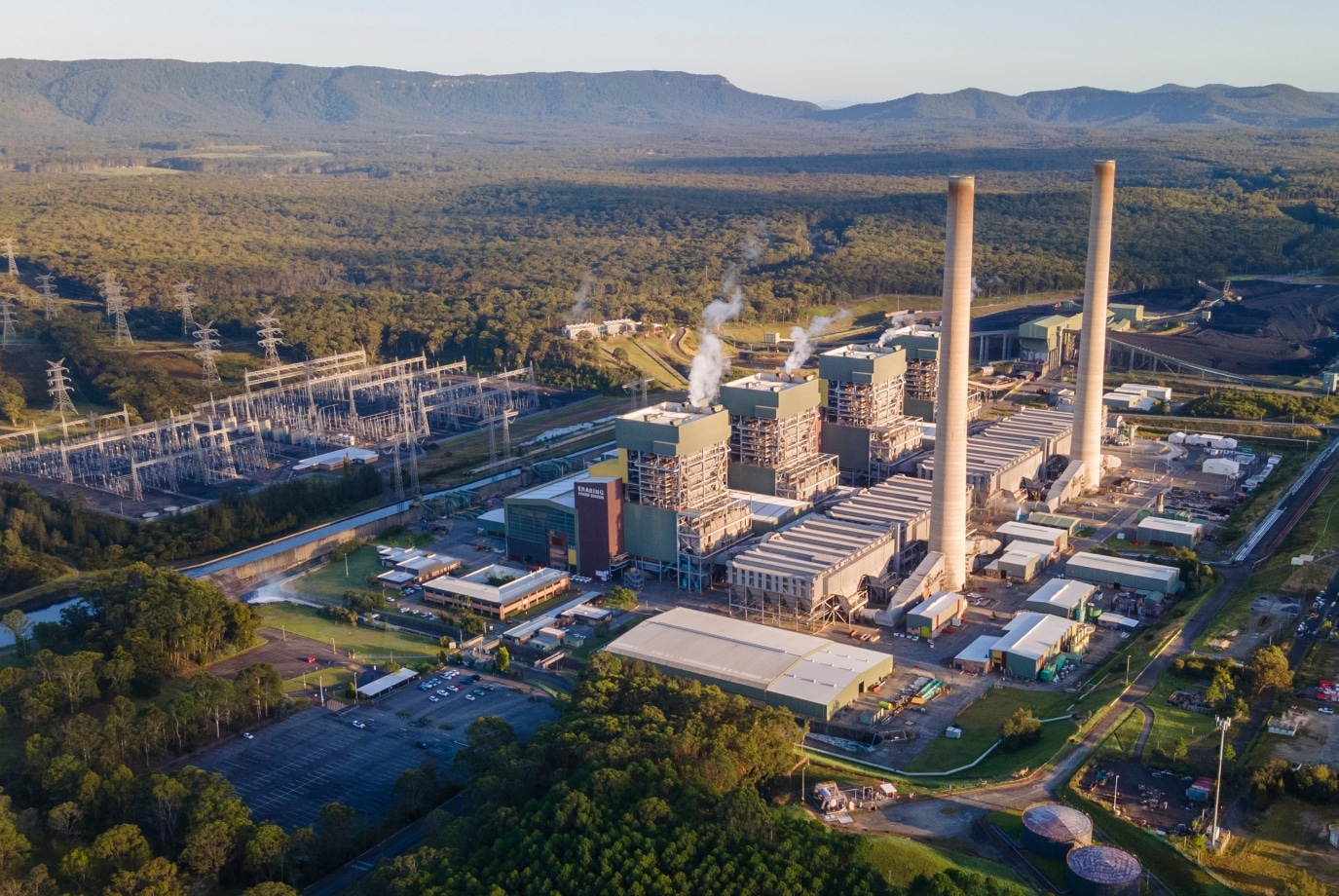
NSW has opened consultation on a tender for 1500MW of new firming capacity, signalling expectation of a reliability shortfall within the decade. The procurement is likely to draw gas-fired peaking plants, which can dispatch quickly when wind and solar output falls short.
Where this fits
This tender admits what grid modelling has long shown: a high-renewables grid cannot run on weather-dependent generation alone. The 1500MW of gas firming is not incidental load-balancing; it is the margin between stable supply and blackout risk. This is the reliability tax on the renewables path. It also locks in ongoing exposure to volatile gas prices and import dependency, since Australia has limited domestic gas production and must compete for LNG on global markets. Nuclear, which requires no firming, no gas, and no weather-dependent hedging, remains banned by law.
What it means
NSW is telegraphing to the market that the transition as currently planned cannot deliver without gas as a permanent, costly crutch. Every megawatt of gas built now is capital that will sit idle most of the time, earning returns only during the hours when renewables fail to deliver. That cost flows to consumers and sits atop the already-high bill for transmission overbuild, battery storage, and solar and wind capacity itself. Australia's energy security now depends on a fuel source it does not control, at prices set by global supply shocks. A firm, domestic, low-carbon alternative exists. The decision to exclude it is a choice, not a constraint.
By the numbers
at ~A$2000–3200/kW installed. Source: CSIRO GenCost 2024-25. Indicative.
at a ~38% capacity factor, and only when the wind blows, so it still needs firming.
enough for 2–4 TWh a year of firm, always-on power, generating for ~60 years. Source: CSIRO GenCost 2024-25 (A$8.5–13.2bn/GW), IAEA capacity factor.
Figures are indicative conversions from the article's stated quantity using published cost, material and capacity factors (CSIRO GenCost, BNEF, IEA, IAEA). Ranges, not precise forecasts.
Go deeper on the numbers
The bigger picture
Energy security is national security. This connects to the wider case at Unprepared: Australia's dependence on a strategic rival, and how ready it is for the world that is coming.
Reported by Utility Magazine. Read the original report ↗
Related coverage
More batteries, both big and small, mean solar farms don’t have to shut down so often - Renew Economy
Concrete foundations completed for all 18 turbines at first and smallest wind farm to begin construction this year
Australia’s gas generation falls to lowest level since 2000 — OilPrice - UA.NEWS
Renewables Boom Pushes Australia's Gas Power to Quarter-Century Low - Crude Oil Prices Today | OilPrice.com
The numbers, as they move
A short, sourced brief when the figures shift: a transmission blow-out, a supply-chain move, a milestone.