Chinese PV Industry Brief: Growatt raises inverter, battery prices by up to 10%
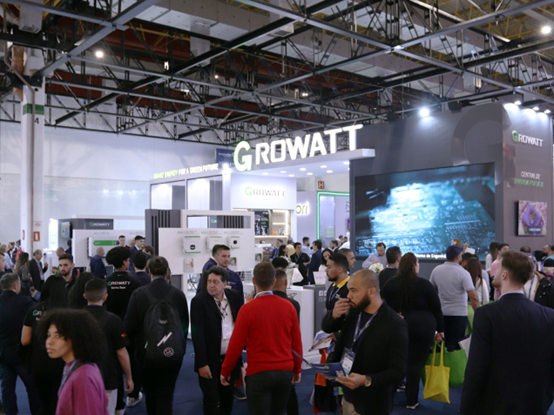
Growatt, a Chinese inverter and battery manufacturer, is raising prices for string inverters, hybrid inverters, storage systems and commercial cabinets by 5 to 10 percent from October 8. The company cited higher raw-material costs, tighter supplies of core components and rising manufacturing expenses. This follows similar moves by Sungrow, which implemented increases of 5 to 15 percent from September 20.
Where this fits
Australia's renewable grid depends almost entirely on Chinese-manufactured inverters and batteries. These are not commodity items; they are engineered systems that convert and store renewable energy. When Chinese suppliers raise prices citing supply-chain tightness and input cost pressure, Australian renewable projects feel it directly. The cost signal is also a resilience signal: the supply chain that powers the transition is concentrated, opaque and subject to Chinese commercial and geopolitical decisions, not Australian ones.
What it means
Price increases at this scale ripple through project economics, pushing out timelines and reducing returns on capital that Australia needs to redirect toward grid modernisation. More importantly, the episode shows that Australia has outsourced not only manufacturing but also price-setting power to a single country for the core technology of its energy transition. Inverters and batteries are not marginal; they are the conversion and storage layer without which solar and wind cannot serve a load. Dependence on Chinese supply, tightening supplies and rising input costs suggest the transition is hitting real material and manufacturing constraints, not temporary glitches. A firm, low-material alternative like nuclear remains illegal, while grid resilience deepens its reliance on a supply chain Australia cannot control.
By the numbers
at ~A$1100–1600/kW installed. Source: CSIRO GenCost 2024-25. Indicative.
at a ~24% capacity factor, and only when the sun shines, so it still needs firming.
~80% of modules are China-made. Source: IEA solar supply-chain data.
enough for 1–2 TWh a year of firm, always-on power, generating for ~60 years. Source: CSIRO GenCost 2024-25 (A$8.5–13.2bn/GW), IAEA capacity factor.
Figures are indicative conversions from the article's stated quantity using published cost, material and capacity factors (CSIRO GenCost, BNEF, IEA, IAEA). Ranges, not precise forecasts.
Go deeper on the numbers
The bigger picture
Energy security is national security. This connects to the wider case at Unprepared: Australia's dependence on a strategic rival, and how ready it is for the world that is coming.
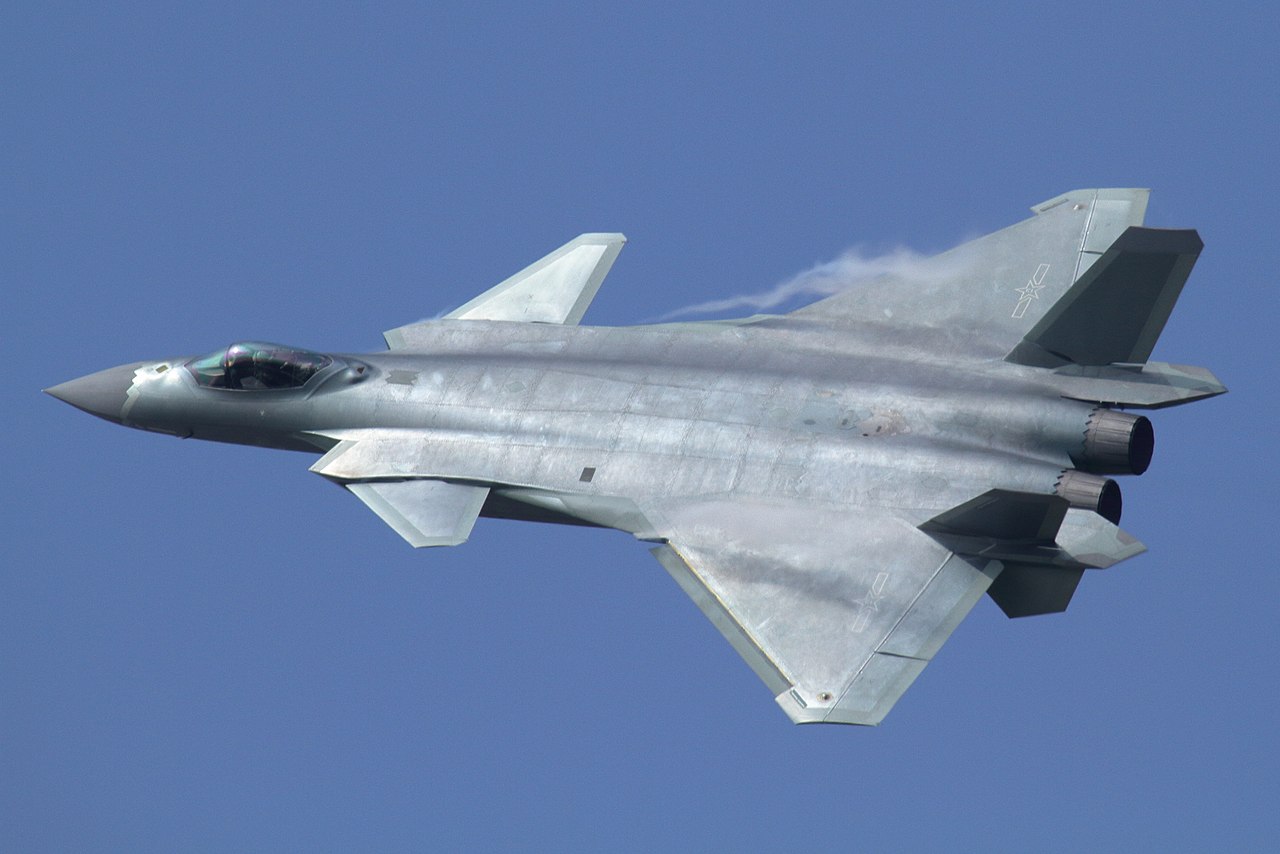
Xi Jinping and the Purge That Built an Army
The PLA that Xi Jinping inherited in 2012 was modernising, and the one he commands in 2026 is transformed. Part IV of the Unprepared series.
Reported by PV Magazine (intl). Read the original report ↗
Related coverage
Energy Minister Chris Bowen confirms EV and battery subsidies in firing line - AFR
Data centre giant lines up solar, wind and battery deal to power its plans for former smelter site - Renew Economy
Energy bills set to unleash hell on battling families - The Australian
Rio Tinto (ASX:RIO) Share Price: Bell Bay, Tomago and Boyne Power Deals Reset Australian Aluminium - Kalkine
The numbers, as they move
A short, sourced brief when the figures shift: a transmission blow-out, a supply-chain move, a milestone.