Chinese PV Industry Brief: JA Solar’s nine-month loss widens
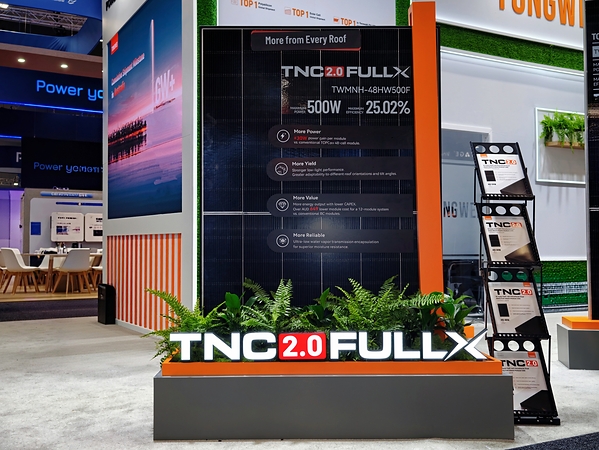
JA Solar, one of China's largest solar manufacturers, reported a CNY 3.64 billion net loss for the first nine months of 2026, down from CNY 3.558 billion a year earlier. Revenue fell 23.62 percent year on year to CNY 28.113 billion. The company attributed the losses to depressed industry prices, increased asset impairment charges and higher contractual compensation costs. Overseas markets accounted for 60.92 percent of module shipments. Meanwhile, Tongwei signed 1 GW in cooperation agreements with Australian distributors for residential rooftop solar modules.
Where this fits
The financial stress in China's solar supply chain is a sovereignty and cost pressure wrapped into one. JA Solar's widening losses, despite high export volumes, signal overcapacity and price collapse in the global solar market. Australia depends on Chinese manufacturers for the vast majority of its solar panels, battery cells, and inverters. When China's solar firms are unprofitable at current prices, they compete on volume and cost-cutting, not quality or security of supply. This dependence on a strategic rival's stressed manufacturing base is a preparedness problem, not just a commercial one.
What it means
Australia's renewable transition rests on continued cheap supply from Chinese firms now burning cash. If that supply chain fractures or shifts to prioritise China's own grid, Australia has no domestic alternative and no time to build one. The broader point: a firm, energy-dense power source like nuclear, produced domestically, would eliminate this single point of failure. Instead, Australia's grid strategy is locked into dependence on the profitability and goodwill of a competitor's commodity manufacturers.
By the numbers
at ~A$1100–1600/kW installed. Source: CSIRO GenCost 2024-25. Indicative.
at a ~24% capacity factor, and only when the sun shines, so it still needs firming.
~80% of modules are China-made. Source: IEA solar supply-chain data.
enough for 24–54 TWh a year of firm, always-on power, generating for ~60 years. Source: CSIRO GenCost 2024-25 (A$8.5–13.2bn/GW), IAEA capacity factor.
Figures are indicative conversions from the article's stated quantity using published cost, material and capacity factors (CSIRO GenCost, BNEF, IEA, IAEA). Ranges, not precise forecasts.
Go deeper on the numbers
The bigger picture
Energy security is national security. This connects to the wider case at Unprepared: Australia's dependence on a strategic rival, and how ready it is for the world that is coming.
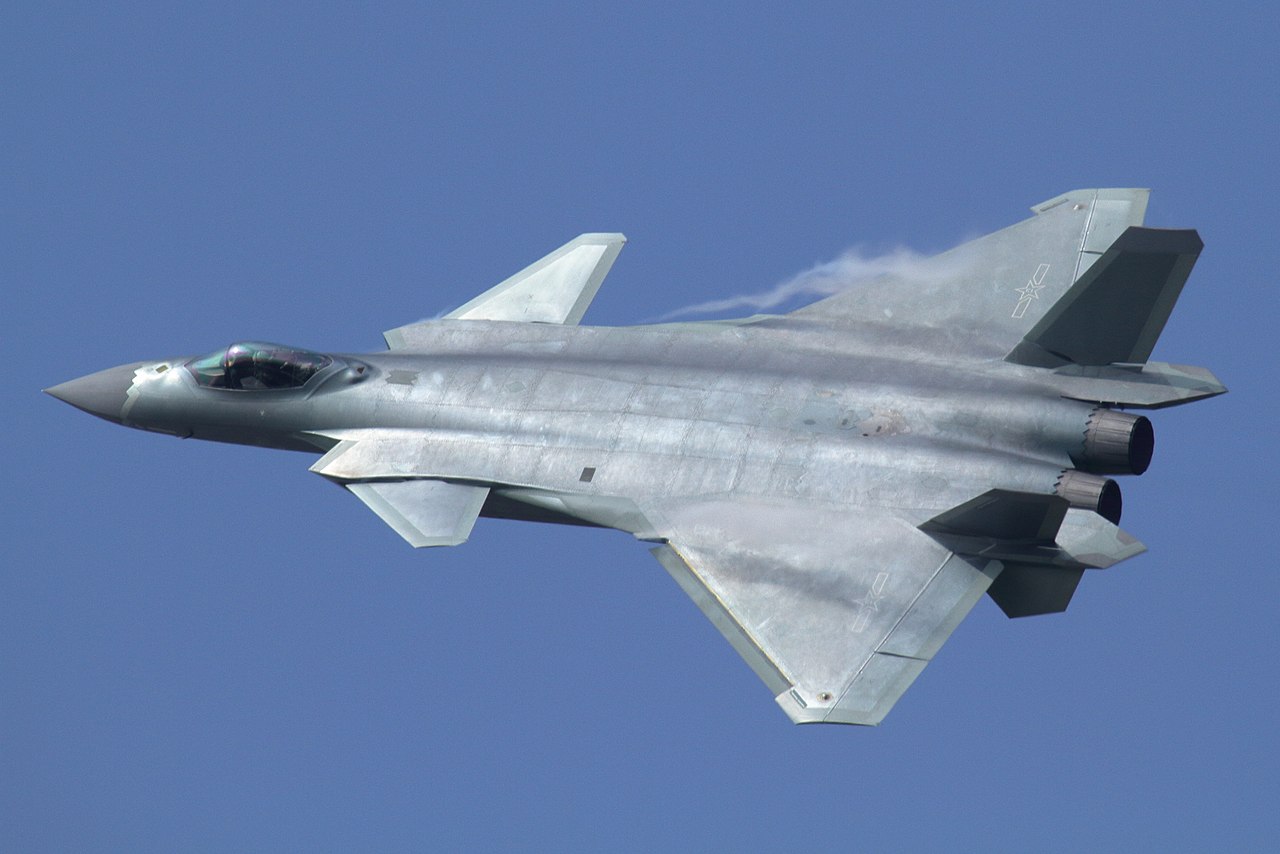
Xi Jinping and the Purge That Built an Army
The PLA that Xi Jinping inherited in 2012 was modernising, and the one he commands in 2026 is transformed. Part IV of the Unprepared series.
Reported by PV Magazine (intl). Read the original report ↗
Related coverage
How is Iluka Resources (ASX:ILU) building a rare earths supply chain after completing work at Eneabba? - Kalkine Media
Australia’s battery manufacturing strength lays in component supply
Australia and US target more critical minerals investment - Australian Mining
SolarEdge exits Australian market
The numbers, as they move
A short, sourced brief when the figures shift: a transmission blow-out, a supply-chain move, a milestone.