Construction begins on NSW transmission upgrade
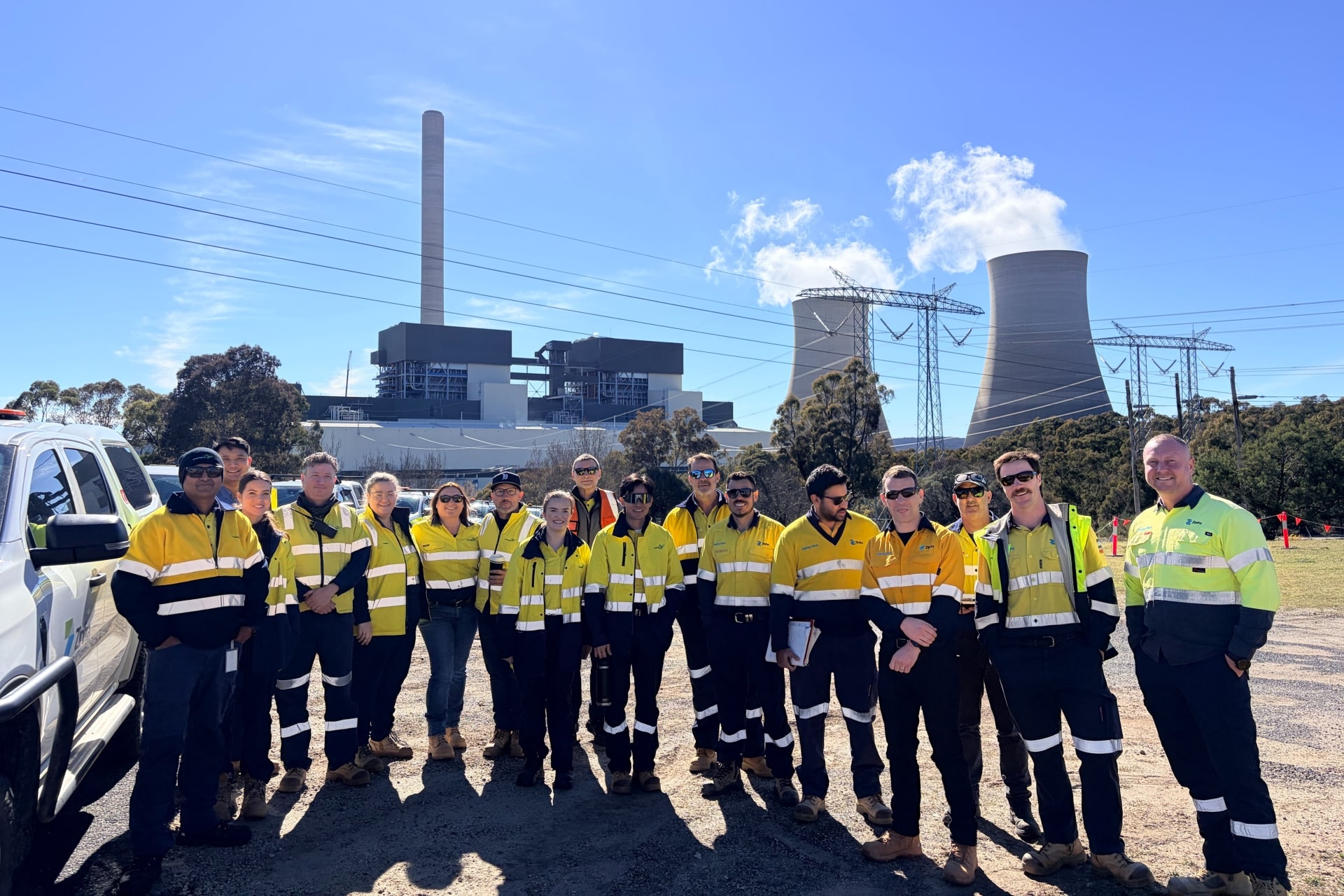
Construction has begun on an 8km transmission line upgrade in NSW's Central Tablelands, designed to increase network capacity and support a new renewable energy zone. Transgrid is leading the project. No completion date, cost figure or capacity detail is provided in the article.
Where this fits
This is a data point in the hidden cost of a renewables-led grid. Renewable energy zones require new transmission infrastructure to move weather-dependent output to demand centres. That infrastructure is capital-intensive, long-lead, and geographically inflexible: you build to where the sun and wind are, then pay to string wires to where people live. A firm, dispatchable plant, coal, gas, or nuclear, sits where demand is and needs far less new transmission. Australia is funding a grid redesign to accommodate the volatility of renewable supply, and the cost of that redesign rarely appears in headline cost-per-megawatt-hour figures for wind and solar.
What it means
Australia is committing to a transmission overbuild as the structural cost of a renewables-only path. Each zone, each upgrade, each new line is a sunk cost with no alternative use if generation mix changes. Concurrently, nuclear generation remains illegal in Australia, foreclosing the one firm, low-emission, low-material, long-lived technology that would eliminate the need for this transmission sprawl. The Central Tablelands upgrade is not a failure of execution; it is a consequence of the energy source chosen. It is also a consequence of choosing to depend on China's supply chain for the panels and inverters that will feed that upgraded line.
Go deeper on the numbers
The bigger picture
Energy security is national security. This connects to the wider case at Unprepared: Australia's dependence on a strategic rival, and how ready it is for the world that is coming.

The Factory Floor
In 2024, China built over a thousand commercial vessels. The United States built eight. Part V of the Unprepared series.
Reported by Utility Magazine. Read the original report ↗
Related coverage
South Australia cuts rooftop solar after storm sparks power outages
WA company fined $15,000 over ‘incredibly dangerous’ battery install
Intium unlocks grid connection for Maryvale solar and battery project
Mothballed power station reactivated to rectify Eyre Peninsula outage
The numbers, as they move
A short, sourced brief when the figures shift: a transmission blow-out, a supply-chain move, a milestone.