Solar forecasts being judged on wrong thing
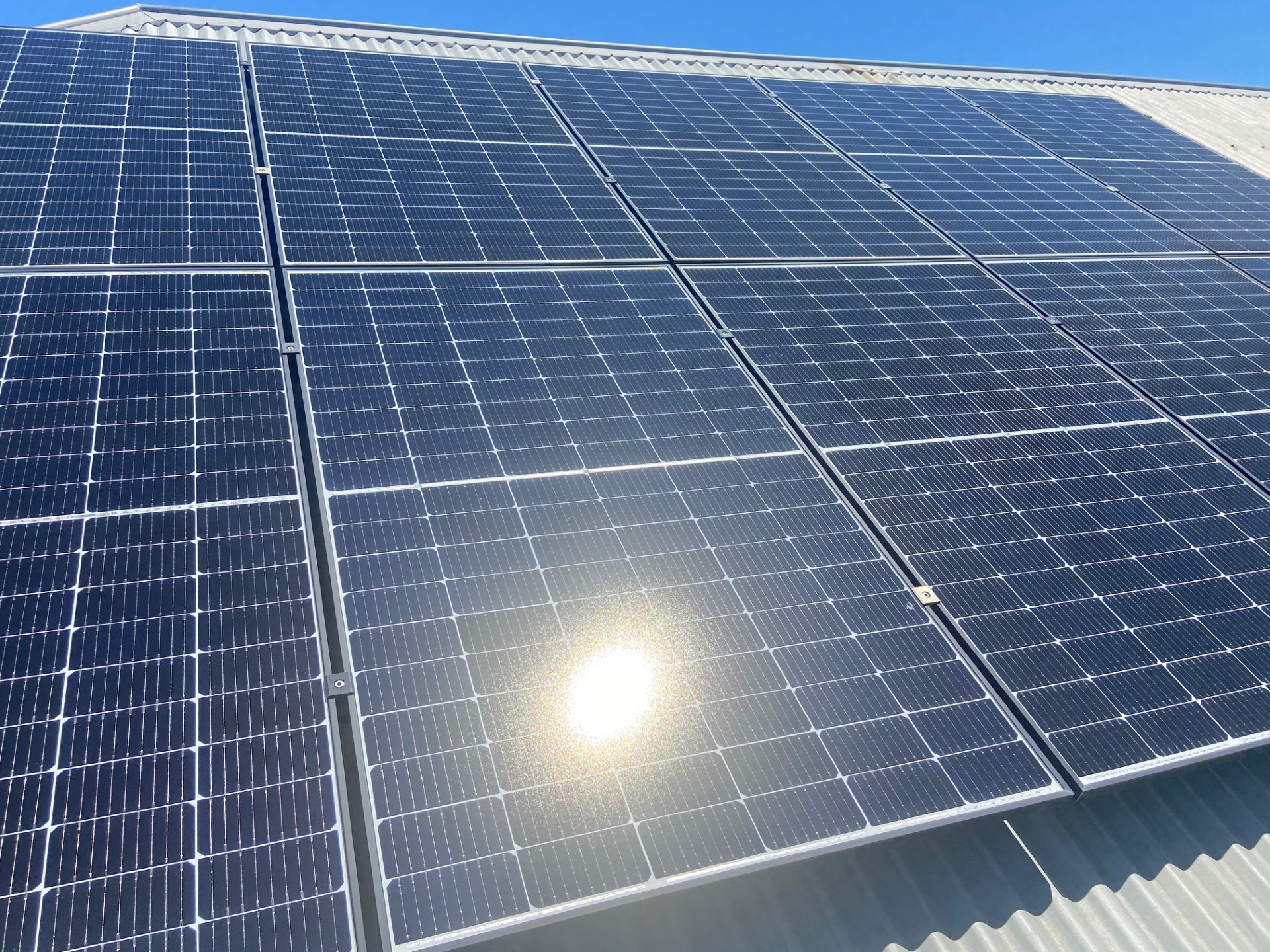
Research shows that solar forecasts are ranked by average error, but the grid operator and participants in Australia's electricity market should care about when errors occur. A forecast that misses cloud cover during peak demand on hot afternoons costs vastly more to manage than the same average error spread across mild midday hours when solar output is cheap and plentiful. The National Electricity Market treats all errors equally in its scoring system, rewarding forecasts that minimize mean absolute error over rolling weeks. This metric cannot distinguish between errors that happen during low-stress periods and errors that happen when the grid needs firmness most.
Where this fits
This is a reliability and cost problem baked into how Australia incentivizes solar forecasting. The grid operator's scoring system is technically objective but operationally blind to the hardest problem: predicting when the sun will fail just as demand peaks. A grid with high solar penetration burns more gas for firming when forecasts miss afternoon storms during heat waves. The real cost of forecast error is not evenly distributed across the month, yet the procurement of forecasting services treats it that way. Better forecasts of peak-demand afternoons would reduce reliance on expensive gas backup and lower whole-system cost.
What it means
Australia's grid is becoming more weather-dependent without pricing accuracy into the tools that manage that dependence. Misforecasted afternoon cloud cover during a heatwave forces the market to buy expensive gas generation in real time. A grid with firm, dispatchable power, whether gas or nuclear, would tolerate forecast error more cheaply and reliably. The current approach to solar forecasting optimization is a small example of a larger pattern: the grid operator has adapted existing tools to a high-renewables system, but has not redesigned them for the failure modes that matter most.
Go deeper on the numbers
The bigger picture
Energy security is national security. This connects to the wider case at Unprepared: Australia's dependence on a strategic rival, and how ready it is for the world that is coming.
Reported by PV Magazine Australia. Read the original report ↗
Related coverage
More batteries, both big and small, mean solar farms don’t have to shut down so often - Renew Economy
Concrete foundations completed for all 18 turbines at first and smallest wind farm to begin construction this year
Australia’s gas generation falls to lowest level since 2000 — OilPrice - UA.NEWS
Renewables Boom Pushes Australia's Gas Power to Quarter-Century Low - Crude Oil Prices Today | OilPrice.com
The numbers, as they move
A short, sourced brief when the figures shift: a transmission blow-out, a supply-chain move, a milestone.