“Dangerous precedent:” Experts warn network creep into consumer energy will kill competition, push up bills
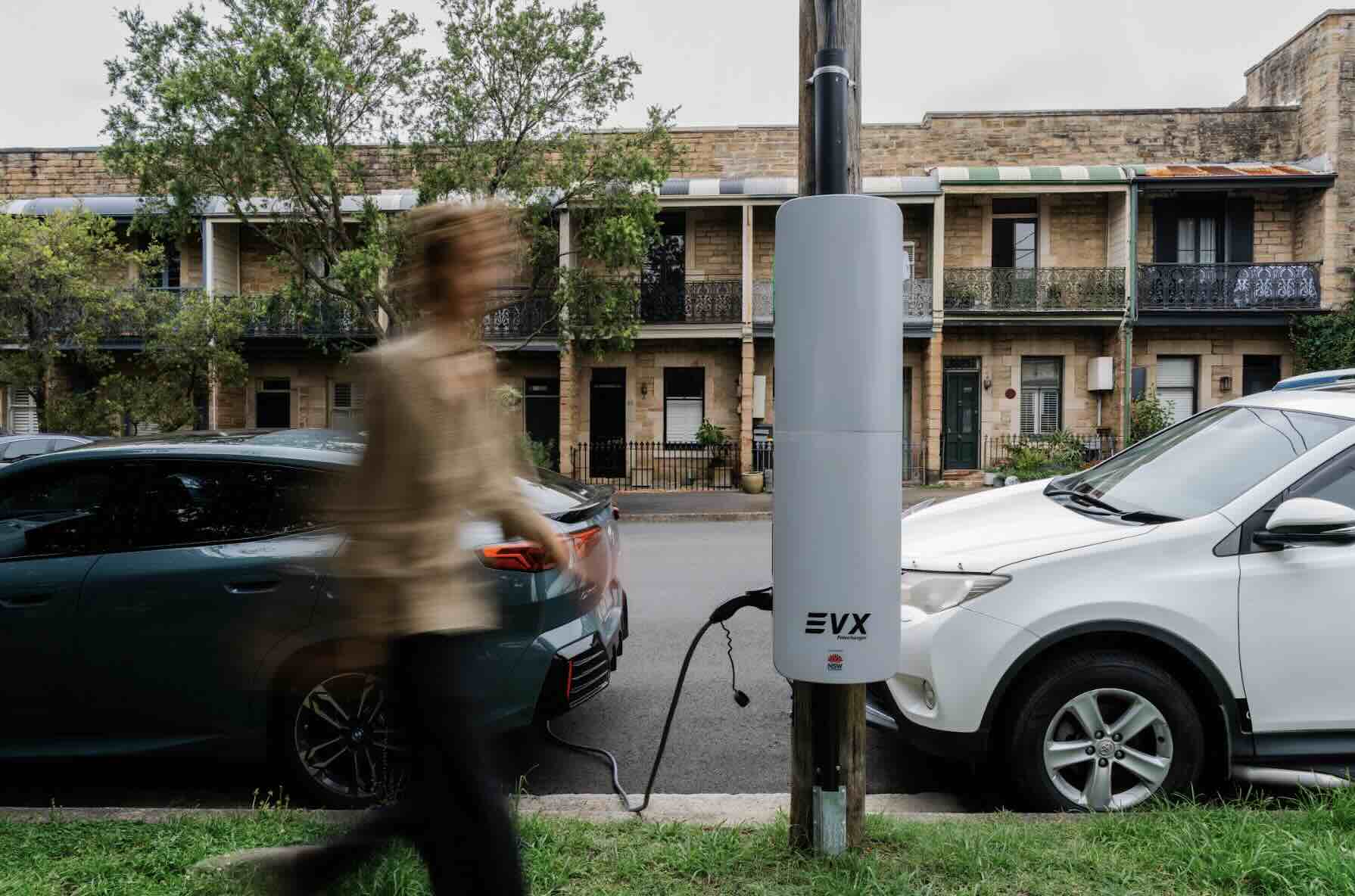
The Australian Energy Market Commission approved draft rules allowing distribution network service providers to install over 14,000 kerbside EV chargers using government and consumer funds through the federal Accelerating EV Charging Program, which runs until 2028-29. Industry experts warned this breaches longstanding market ringfencing rules that separate monopoly network businesses from competitive retail markets, risks weakening consumer protections, and could push up electricity bills. The scheme frames DNSPs as providers of last resort, but critics argue it amounts to systematic market creep and further gold-plating of network assets at consumer expense.
Where this fits
This is a cost-of-transition story. EV charging infrastructure is essential for electrification, but funding it via regulated network monopolies, rather than competitive retail markets or dedicated infrastructure operators, locks inefficiency into the grid's structure for decades. It is a symptom of the broader pattern: renewables and electrification are being added to the grid without firm dispatchable power to stabilise it, so the whole system tilts toward costly, state-funded workarounds. The ringfencing breach also matters for sovereignty: when networks own the charging layer, they own the demand-response data and control points that could otherwise sit with competitive retailers or independent operators.
What it means
Consumer electricity bills will absorb costs that competitive markets would have driven down. The erosion of ringfencing rules embeds monopoly thinking into the grid's physical and commercial structure at a moment when Australia needs clarity on who owns what, and what can be traded. Without firm baseload power to anchor the system, electrification becomes a series of cost-pushing interventions rather than a coherent, least-cost transition.
Go deeper on the numbers
The bigger picture
Energy security is national security. This connects to the wider case at Unprepared: Australia's dependence on a strategic rival, and how ready it is for the world that is coming.

The Factory Floor
In 2024, China built over a thousand commercial vessels. The United States built eight. Part V of the Unprepared series.
Reported by RenewEconomy. Read the original report ↗
Related coverage
Record quarter for renewable capacity committed to construction
EDITORIAL: Labor’s gas reservation plan is not in the national interest - The Nightly
Wilson welcomes WA gas carve-out - Kalgoorlie Miner
Australia Explores Gas Phase-Out Deal in Talks on Reservation Scheme - Crude Oil Prices Today | OilPrice.com
The numbers, as they move
A short, sourced brief when the figures shift: a transmission blow-out, a supply-chain move, a milestone.