9,000 kilometre aerial stringing of Humelink projects cleared for takeoff
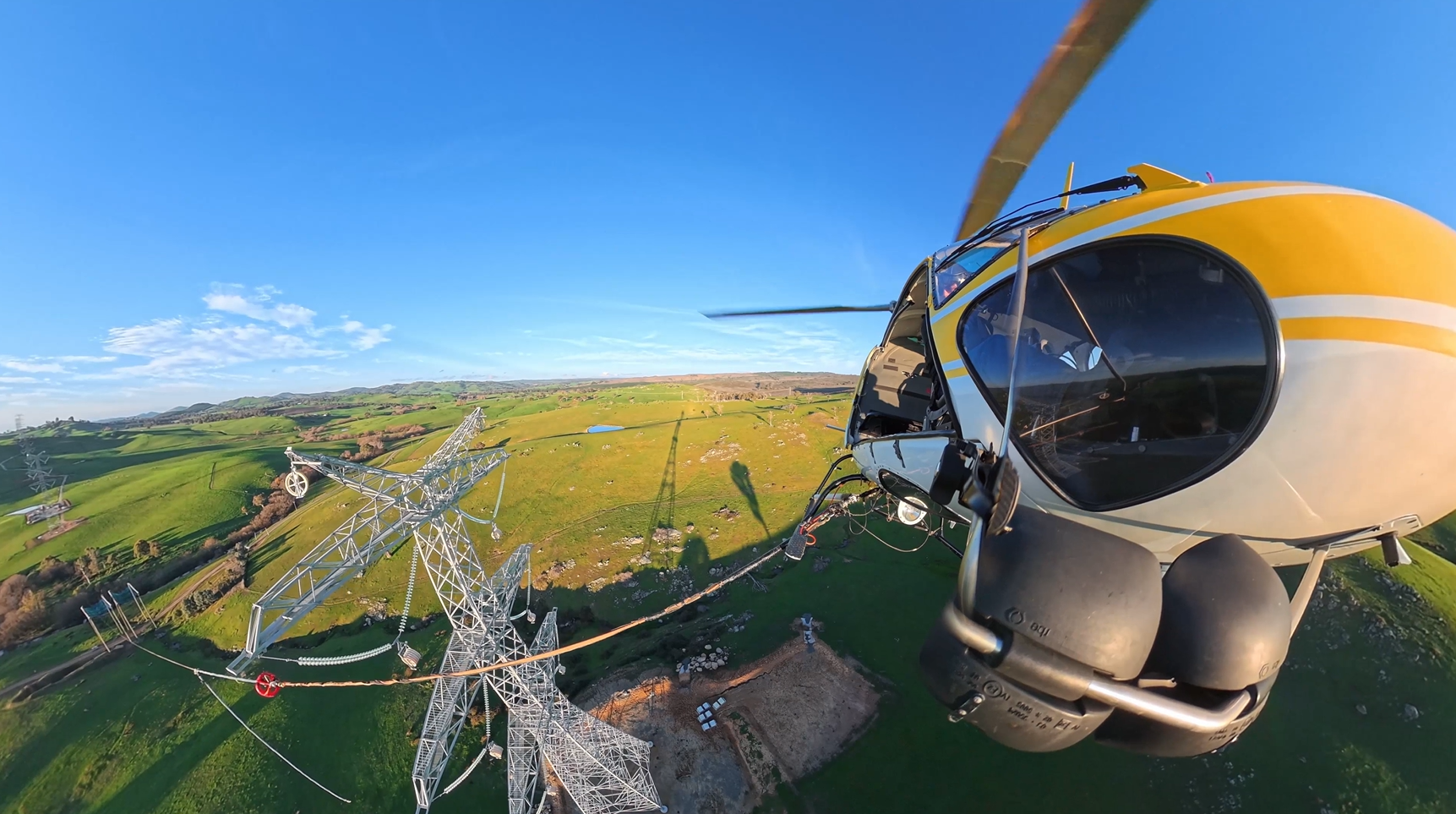
Infravision and Leading Edge Helicopters are completing aerial stringing of 9,000 kilometres of conductor across 820 towers for HumeLink, a 365-kilometre transmission project connecting Snowy 2.0 to the grid. The work is on track for completion in late 2027. Drones and helicopters are being used to pull permanent conductor into place, with the helicopter method five times faster than traditional ground installation and capable of operating in winds exceeding 50 km/h and extreme temperatures.
Where this fits
HumeLink is the critical infrastructure backbone of Australia's renewable transition strategy, but it exemplifies the true cost of a weather-dependent grid. This is not a generation project; it is a transmission overbuild, built solely to carry intermittent solar and wind from Snowy 2.0 to load centres. The 365-kilometre line, with its complex engineering, multi-year timeline, and reliance on specialist contractors, is one data point in a growing bill for the grid architecture renewables demand. A firm, dispatchable source like nuclear would require far less transmission overbuild and could be sited closer to demand.
What it means
HumeLink represents the hidden infrastructure cost of the renewables path. The headline celebrates the engineering achievement, which is real, but the line exists only because solar and wind are not dispatchable. Australia is committing to decades of capital-intensive transmission augmentation to shuffle variable output across vast distances, when firm generation could eliminate most of this cost. The work is also a reminder that energy security depends on supply chains, logistics networks, and specialist expertise; none of these have been stress-tested against the scale of the transition being attempted.
Go deeper on the numbers
The bigger picture
Energy security is national security. This connects to the wider case at Unprepared: Australia's dependence on a strategic rival, and how ready it is for the world that is coming.
Reported by PV Magazine Australia. Read the original report ↗
Related coverage
More batteries, both big and small, mean solar farms don’t have to shut down so often - Renew Economy
Concrete foundations completed for all 18 turbines at first and smallest wind farm to begin construction this year
Australia’s gas generation falls to lowest level since 2000 — OilPrice - UA.NEWS
Renewables Boom Pushes Australia's Gas Power to Quarter-Century Low - Crude Oil Prices Today | OilPrice.com
The numbers, as they move
A short, sourced brief when the figures shift: a transmission blow-out, a supply-chain move, a milestone.