ElectraNet selects preferred NTx corridor
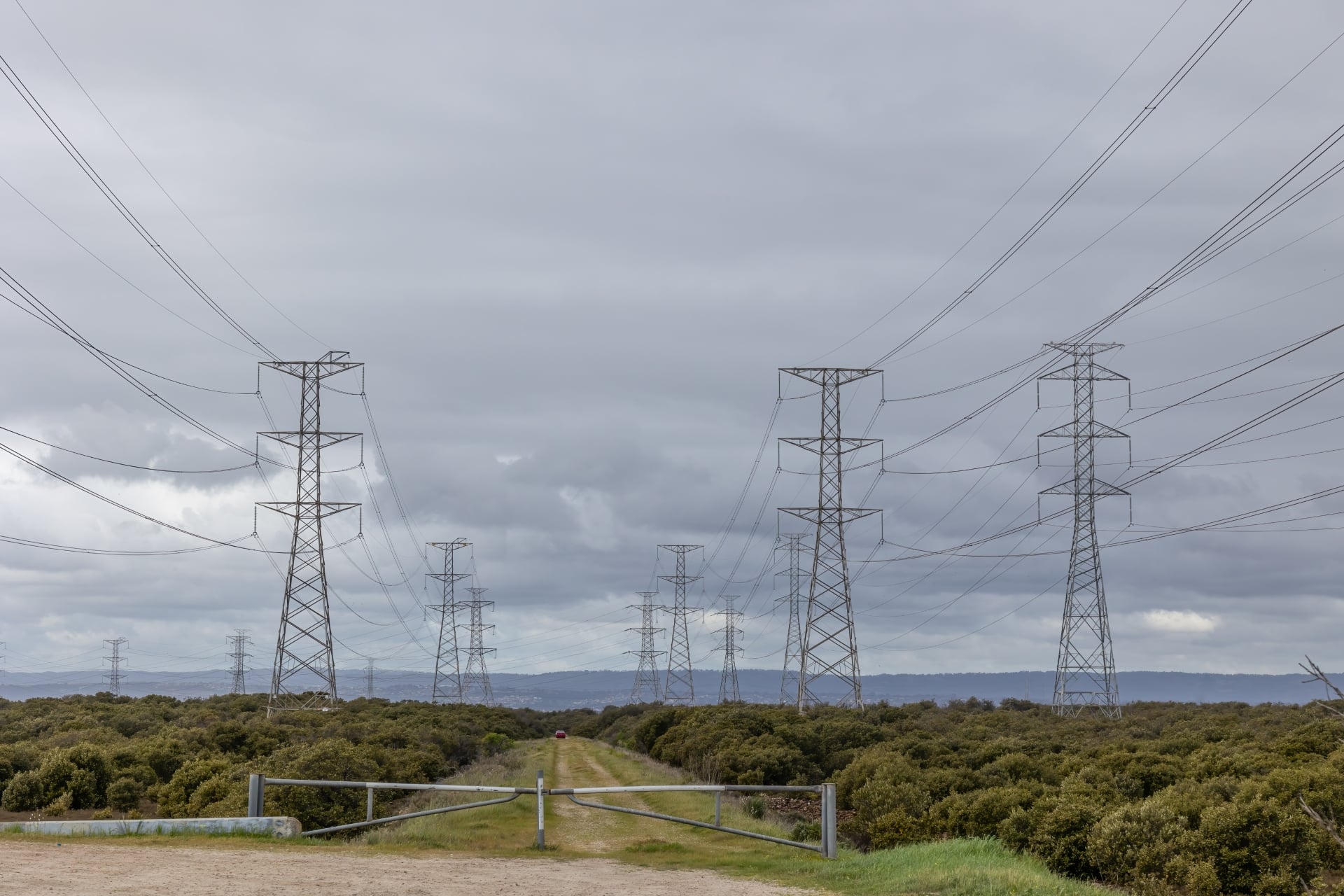
ElectraNet has selected Corridor 5 as the preferred route for the Mid North section of its Northern Transmission Project (NTx), after planning assessments and community consultation. The project is part of South Australia's grid expansion to accommodate renewable generation in the state's north and connect it to demand centres.
Where this fits
This is a cost and reliability story. Transmission overbuild is one of the hidden whole-system costs of a renewables-only grid. Solar and wind farms must be built where the resource is best, not where demand sits, so the poles and wires bill lands on the taxpayer and consumer. The NTx is a symptom of that geographical mismatch: firm power plants can be sited close to load, but wind and solar dictate the transmission tail. Australia is already committed to billions in transmission capex that would be unnecessary if firm, energy-dense generation were available. Nuclear plants, by contrast, need no resource corridor and can be built near population centres or industrial hubs.
What it means
Every kilometre of new transmission raises the total cost of decarbonisation and extends the timeline to grid completion. South Australia's grid remains one of the most weather-dependent in the world, and transmission alone does not solve the intermittency problem; it only moves it. The NTx is a rational response to the constraints of the renewable-only policy framework, but it illustrates the real price of that constraint: not just the cable and tower cost, but the years of planning, consultation, environmental assessment, and community negotiation before a single amp flows. That delay is the cost of having foreclosed the firm alternative.
Go deeper on the numbers
The bigger picture
Energy security is national security. This connects to the wider case at Unprepared: Australia's dependence on a strategic rival, and how ready it is for the world that is coming.
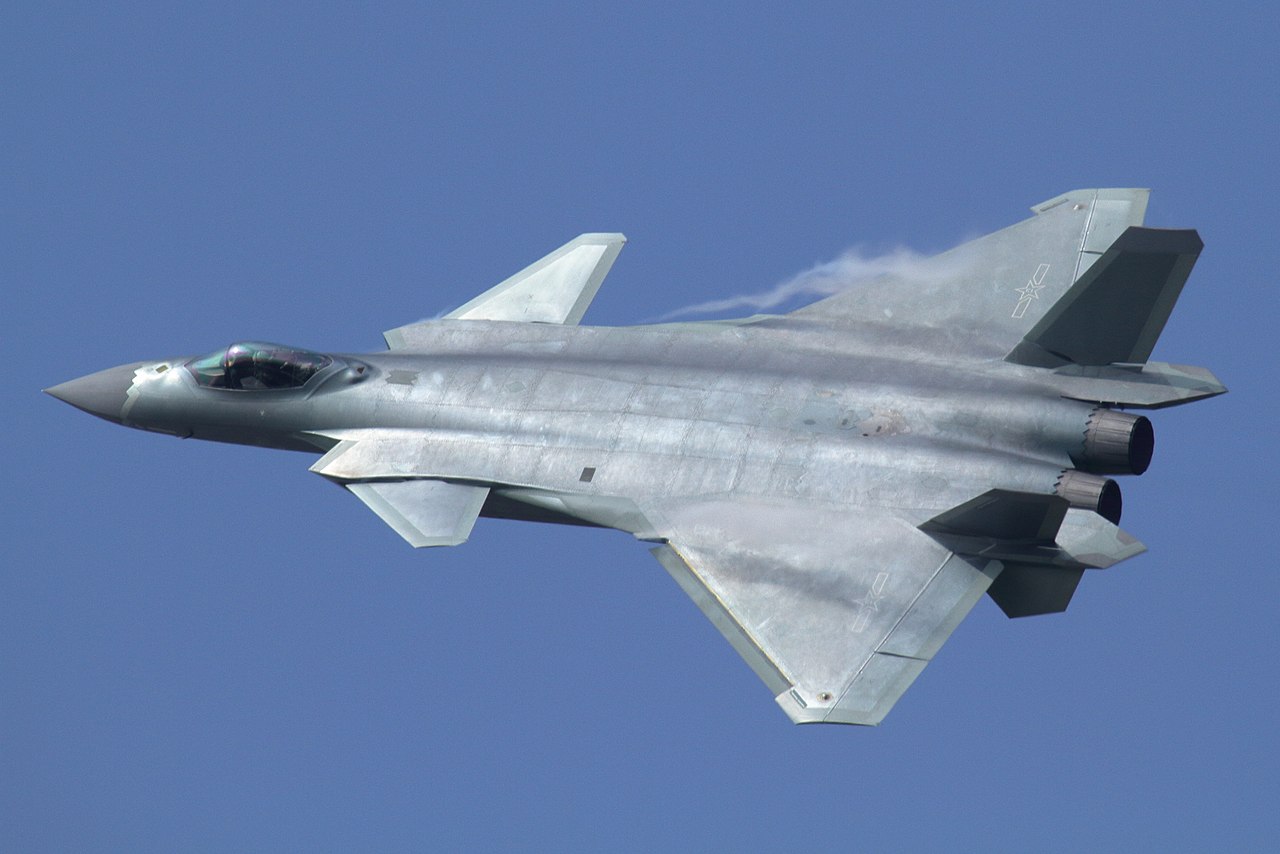
Xi Jinping and the Purge That Built an Army
The PLA that Xi Jinping inherited in 2012 was modernising, and the one he commands in 2026 is transformed. Part IV of the Unprepared series.
Reported by Utility Magazine. Read the original report ↗
Related coverage
What grid-forming kit are Australia’s largest solar–BESS hybrids using?
New four-hour battery storage proposal seeks federal green tick for Australia’s most renewable state grid
SA gives green light for gas to help power future data centres - ABC News & Headlines – Australian Broadcasting Corporation
Concentrated Solar Power (CSP) in Australia: Can It Work Alongside Rooftop Solar? - Energy Matters
The numbers, as they move
A short, sourced brief when the figures shift: a transmission blow-out, a supply-chain move, a milestone.