Energy crisis reinforces comeback of nuclear power, says IEA
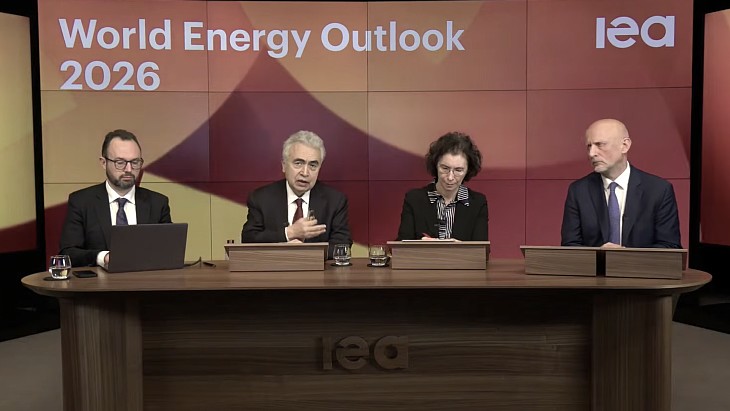
The IEA's latest World Energy Outlook has revised its nuclear forecast upwards, citing the Middle East conflict and disruption to shipping through the Strait of Hormuz as drivers of renewed interest in nuclear power. The agency notes the global energy system has absorbed cumulative losses of 2.8 billion barrels of oil and 60 billion cubic metres of gas supply from the Gulf, but says consumers are increasingly bearing the cost as other buffers deplete. The IEA identifies diversification of energy sources and suppliers as a common policy response across countries.
Where this fits
This is a vindication of the firm-power case. When geopolitical shock hits, whether Middle East conflict, strait blockade, or supply-chain rupture, weather-dependent renewables cannot substitute for firm generation. Nuclear's absence from Australia's energy mix is not a climate choice but a sovereignty vulnerability. The crisis exposes what a renewables-only grid cannot do: absorb supply shock without either rationing or running gas at peak cost. Australia has banned the one firm, low-emission, low-material, long-lived technology that could have hardened the system against exactly this kind of disruption.
What it means
Australia's reliance on solar, wind and gas firming leaves the grid exposed to the same geopolitical shocks now ravaging global energy markets. A blockade of LNG shipping, a cyberattack on grid software, or a supply-chain fracture in Chinese batteries and inverters would force the same painful absorption of cost by consumers. The IEA's shift signals that the world is now pricing in resilience as a grid attribute, not a luxury. Australia's energy security rests on a fuel it cannot control and a supply chain it does not own.
Go deeper on the numbers
The bigger picture
Energy security is national security. This connects to the wider case at Unprepared: Australia's dependence on a strategic rival, and how ready it is for the world that is coming.

The Factory Floor
In 2024, China built over a thousand commercial vessels. The United States built eight. Part V of the Unprepared series.
Reported by World Nuclear News. Read the original report ↗
Related coverage
Rooppur nuclear plant feeds 350MW into national grid for the first time - The Daily Star
Bangladesh 1st nuke power plant connects to national grid - Khmer Times
Nuclear Finance is Running Out of Excuses
Path now open for Australia to sell uranium to India, says High Commissioner Philip Green - ANI News
The numbers, as they move
A short, sourced brief when the figures shift: a transmission blow-out, a supply-chain move, a milestone.