Can Beijing end the race to the bottom?
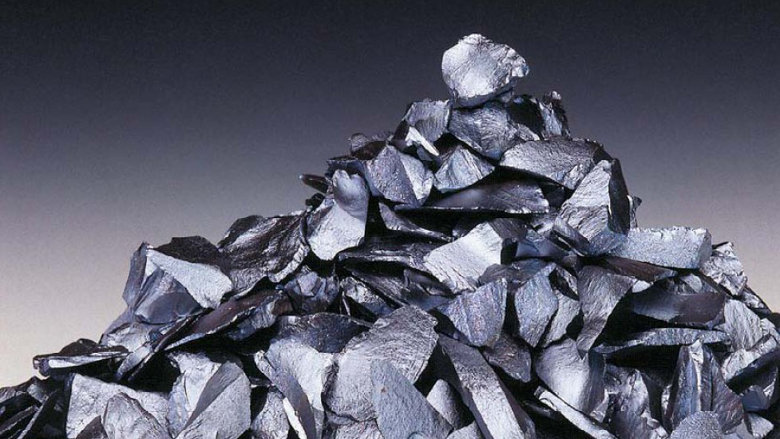
China's solar manufacturers, including some of the industry's largest, are operating at a loss despite efficiency gains and scale. The government is now tightening oversight through cost accounting rules, efficiency standards, tax changes and capacity controls. The stated aim is to end the race to the bottom in pricing, stabilise profitability and preserve China's global cost and technology leadership without eroding its competitive edge.
Where this fits
This is a sovereignty and supply-chain story. Australia's renewable buildout depends almost entirely on Chinese solar panels, inverters and battery cells made in a market now showing signs of structural overcapacity and state intervention. When Beijing tightens controls on its own industry, whether through taxes, capacity caps or efficiency mandates, it reshapes the cost and availability of the components Australia is betting on for grid decarbonisation. The real risk is not a sudden price spike, but a shrinking pool of profitable manufacturers, consolidation around state-backed players, and tighter state control over export volumes and quality standards.
What it means
Australia is locked into a supply chain owned and now actively managed by a strategic rival. If Chinese solar makers cannot return to sustainable profitability under Beijing's new rules, the number of reliable suppliers will fall, prices may stabilise at higher levels, and export allocation may shift toward China's own priorities. Conversely, if Beijing's intervention succeeds in propping up margins, Australian consumers will pay the difference. Either way, Australia has no domestic manufacturing base, no alternative supply source at scale, and no firm generation alternative allowed by law. The article confirms what the cost curves hide: the world's cheapest solar is made in the world's most tightly managed economy.
Go deeper on the numbers
The bigger picture
Energy security is national security. This connects to the wider case at Unprepared: Australia's dependence on a strategic rival, and how ready it is for the world that is coming.
Reported by PV Magazine (intl). Read the original report ↗
Related coverage
Chinese PV Industry Brief: Polysilicon inventories remain high
Queensland boosts critical minerals sector with Australian-first facility - Mining.com.au
G Kishan Reddy to visit Australia for critical minerals cooperation - The News Mill
US, Australia mark anniversary of critical minerals deal - Asia Pacific Defence Reporter
The numbers, as they move
A short, sourced brief when the figures shift: a transmission blow-out, a supply-chain move, a milestone.