Getting Solar in NSW? What the New Emergency Backstop Rules Mean For You
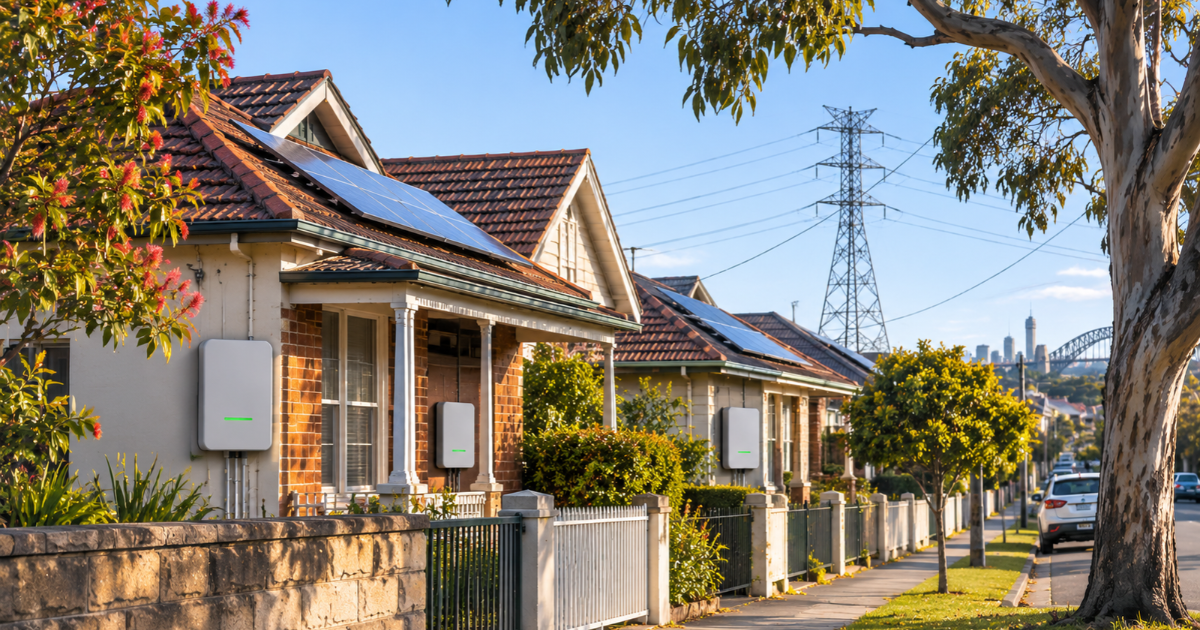
NSW is introducing emergency backstop rules from November 2026 requiring new and upgraded solar installations to be equipped with inverters capable of remote disconnection during grid emergencies. The rules mandate internet connectivity for the inverters to receive dispatch signals. The stated purpose is to allow the grid operator to shed distributed solar generation quickly if the system faces instability.
Where this fits
This rule reveals a core unreliability cost of high-solar grids that the per-megawatt-hour price tag does not capture. Solar's output is weather-dependent and cannot be called on demand; during cloud cover or night, the grid loses that capacity instantly. The backstop rule exists because NSW is building a grid that needs the ability to remove generation when the sun is shining but demand is low or storage is full. This is a system design problem masquerading as an operational fix. It also introduces a new dependence: inverters must now have live internet links to the grid operator, creating both a cyber-vulnerability and a point of control over distributed assets. Most solar inverters are made in China or use Chinese semiconductor components; the connectivity layer adds another surface for supply-chain risk.
What it means
Australia is solving the unreliability of weather-dependent generation by adding remote control infrastructure and accepting the cost and sovereignty implications. A firm, dispatchable alternative, nuclear power, would generate on demand without requiring emergency shedding rules or internet-linked assets in millions of homes. The backstop rule is a data point: the renewable transition is proceeding by layering complexity and remote-control dependencies onto the grid, while the one proven low-emission firm source remains banned by law.
Go deeper on the numbers
The bigger picture
Energy security is national security. This connects to the wider case at Unprepared: Australia's dependence on a strategic rival, and how ready it is for the world that is coming.

The Factory Floor
In 2024, China built over a thousand commercial vessels. The United States built eight. Part V of the Unprepared series.
Reported by Energy Matters. Read the original report ↗
Related coverage
South Australia cuts rooftop solar after storm sparks power outages
WA company fined $15,000 over ‘incredibly dangerous’ battery install
Intium unlocks grid connection for Maryvale solar and battery project
Mothballed power station reactivated to rectify Eyre Peninsula outage
The numbers, as they move
A short, sourced brief when the figures shift: a transmission blow-out, a supply-chain move, a milestone.