Google’s Nuclear Power Deal Lit Up Australia’s Uranium Miners - Finimize

Google has committed to sourcing nuclear power to support its data centre operations, and the announcement has lifted Australian uranium miners' share prices. The article does not provide details of the deal's scale, timeline, or whether it involves existing reactors or new build.
Where this fits
This moment exposes the gap between Australia's renewables-first grid policy and the firm-power reality of industrial decarbonisation. Google, one of the world's largest corporate energy consumers, has chosen nuclear, not renewables, to power the computational load that AI and cloud services demand. It also sharpens the sovereignty issue: Australia holds significant uranium reserves and uranium-mining expertise, yet Australian law bars new nuclear power stations. While Google's deal may underpin Australian uranium exports, it means those exports serve other nations' grids while Australia remains locked into weather-dependent solar and wind, burning gas to fill the gaps.
What it means
Australia is exporting the climate solution it will not use. A uranium miner's windfall is a reminder that firm, energy-dense power is indispensable to the modern economy, and that the world's technology leaders know it. The renewables buildout continues to expand Australia's dependence on China for panels, batteries, and inverters while a domestic, low-emission, firm-power industry atrophies. Google's choice is not a judgment on renewables; it is a judgment on what works at scale and in the data centre, where reliability and power density are non-negotiable. For Australia, it is another data point in the cost of standing apart.
Go deeper on the numbers
The bigger picture
Energy security is national security. This connects to the wider case at Unprepared: Australia's dependence on a strategic rival, and how ready it is for the world that is coming.
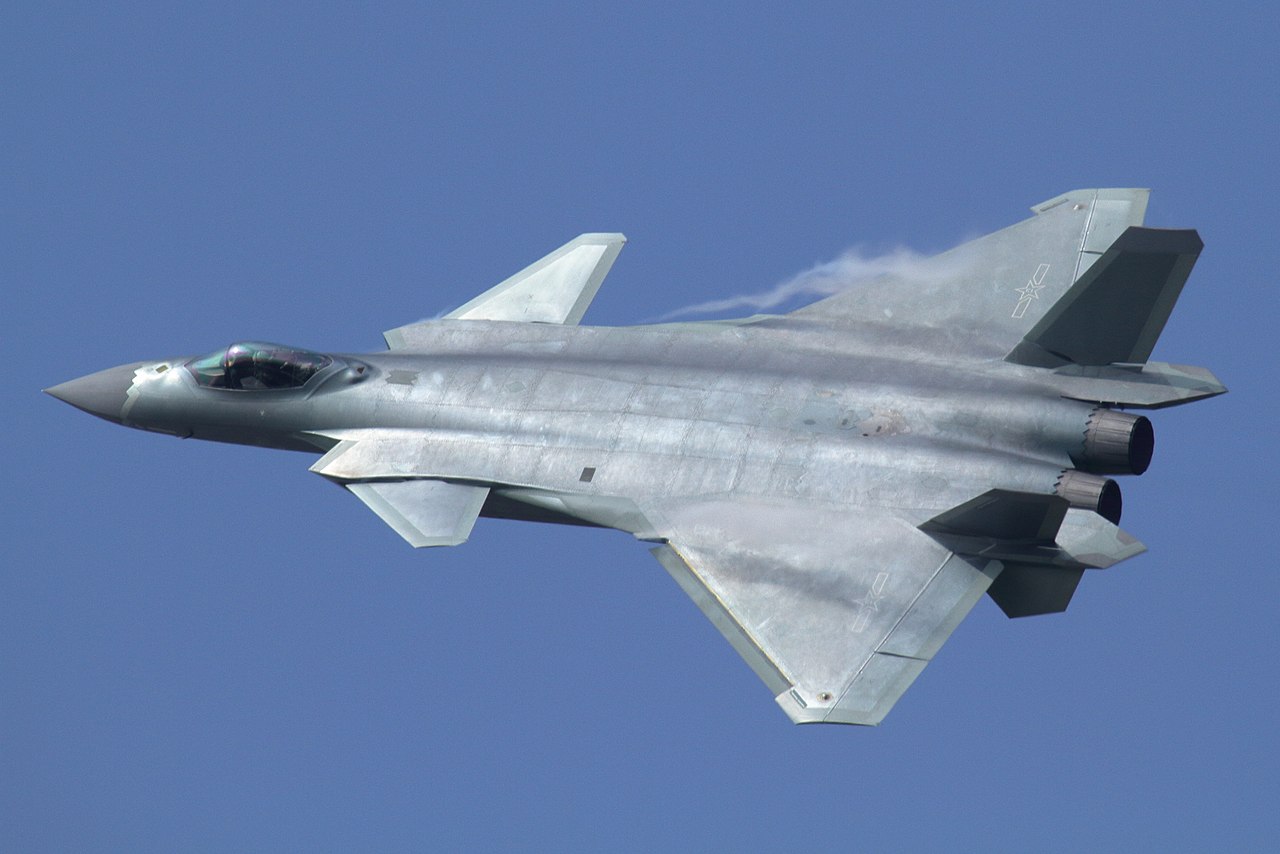
Xi Jinping and the Purge That Built an Army
The PLA that Xi Jinping inherited in 2012 was modernising, and the one he commands in 2026 is transformed. Part IV of the Unprepared series.
Reported by GNews: nuclear power AU. Read the original report ↗
Related coverage
Paladin targets 2031 uranium production with $525m raising - Australian Resources & Investment
$3.9b uranium player Paladin looks to raise $525m - AFR
Data centres revive Coalition passion for nuclear power, but this time more expensive and even less realistic - Renew Economy
Russia proposes carbon credits framework for SMRs
The numbers, as they move
A short, sourced brief when the figures shift: a transmission blow-out, a supply-chain move, a milestone.