The hidden solar trap draining hundreds from Aussie power bills - The Courier Mail

Rooftop solar owners are being charged thousands of dollars in unexpected network fees as their systems feed power back into the grid. The charges stem from a gap between the export capacity solar installers register and the actual physical limits of local networks, forcing distributors to levy fees to manage congestion and protect infrastructure. Households report bills climbing by hundreds annually despite generating their own electricity.
Where this fits
This is a cost story masking a reliability and sovereignty problem. A grid built on weather-dependent, distributed generation creates new layers of complexity: network operators must now manage bidirectional flow, voltage stability, and congestion at the edge. Those costs do not vanish. They are being pushed onto consumers in the form of export charges, grid-connection fees, and infrastructure upgrades that were not factored into the "cheap solar" headline. A firm, centralised power source, nuclear, coal, or gas, avoids this architectural cost entirely.
What it means
Australia is learning that the cost of a renewables-heavy grid does not stop at panel and inverter prices. Network management, firming infrastructure, transmission overbuild, and now export penalties are the real bill. Householders thought they were saving money; instead they are financing the hidden cost of a system that cannot balance itself without either storage (which Australia has not deployed at scale, and which depends on China for battery supply) or gas peaking plants (which the transition is trying to retire). The grid's complexity is rising, costs are rising with it, and the bills are arriving when it is too late to choose a different path.
Go deeper on the numbers
The bigger picture
Energy security is national security. This connects to the wider case at Unprepared: Australia's dependence on a strategic rival, and how ready it is for the world that is coming.
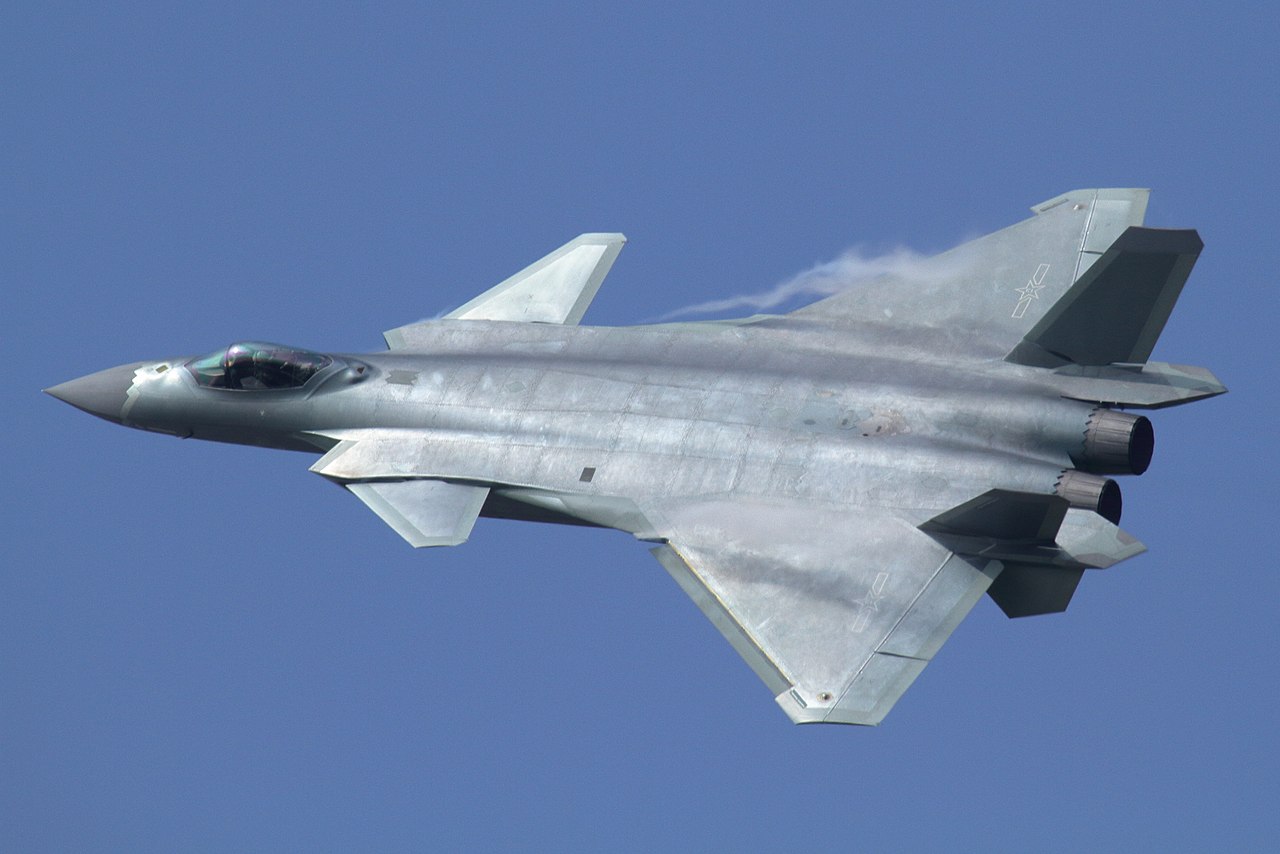
Xi Jinping and the Purge That Built an Army
The PLA that Xi Jinping inherited in 2012 was modernising, and the one he commands in 2026 is transformed. Part IV of the Unprepared series.
Reported by GNews: AU electricity prices. Read the original report ↗
Related coverage
Energy Minister Chris Bowen confirms EV and battery subsidies in firing line - AFR
Data centre giant lines up solar, wind and battery deal to power its plans for former smelter site - Renew Economy
Energy bills set to unleash hell on battling families - The Australian
Rio Tinto (ASX:RIO) Share Price: Bell Bay, Tomago and Boyne Power Deals Reset Australian Aluminium - Kalkine
The numbers, as they move
A short, sourced brief when the figures shift: a transmission blow-out, a supply-chain move, a milestone.