Hold the front page! Cost of clean energy transition just shrank by $100 billion
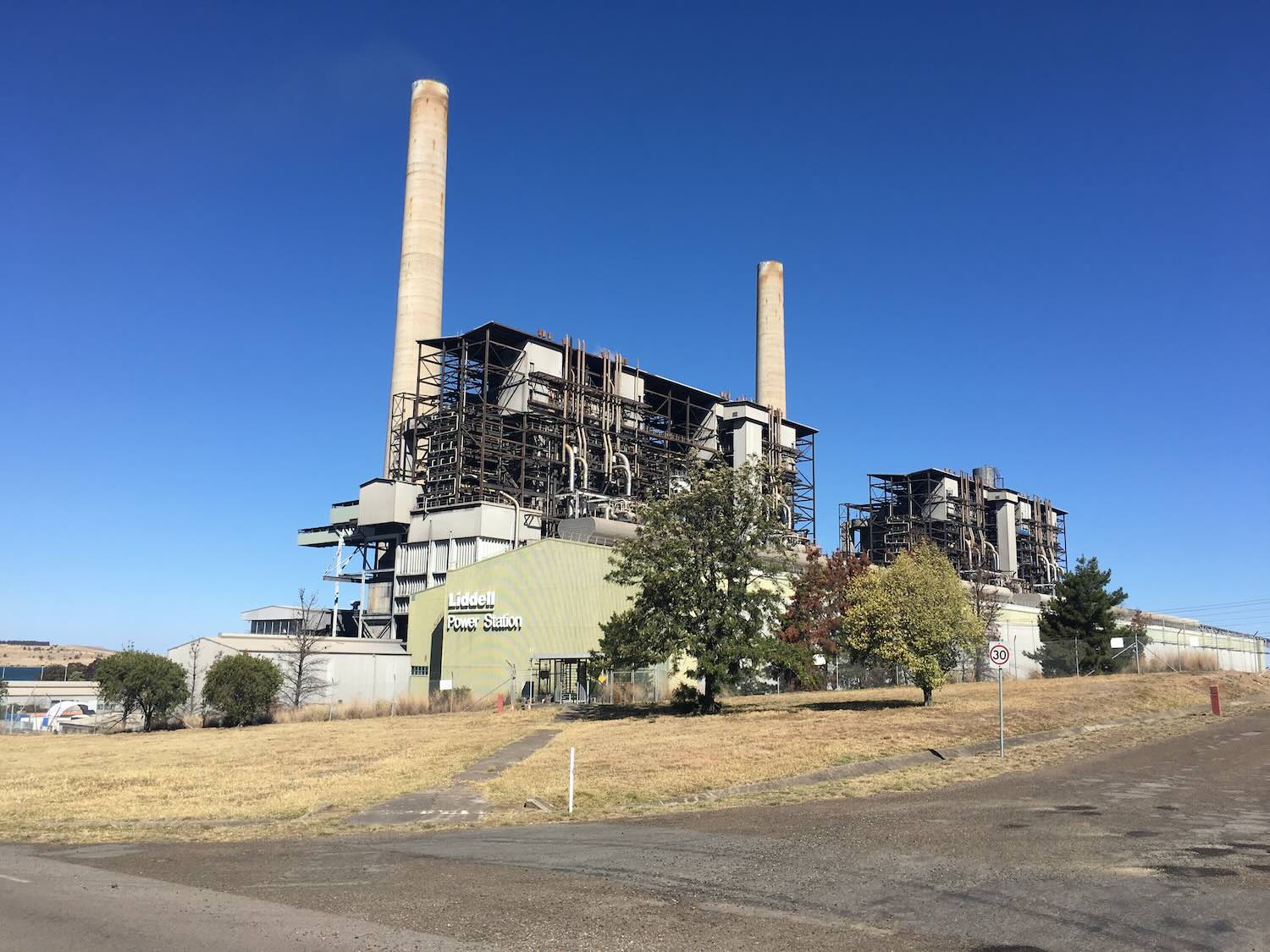
A columnist at The Australian, working with an energy analyst, revised his estimate of Australia's energy transition cost downward by $100 billion in five months. In April, the pair calculated the total cost at "above $1 trillion" based on transmission spending forecast to exceed $200 billion and wind and solar generation costs of $160 billion. By September, the same analysts put the figure at "at least $900 billion." The article notes the revision but does not explain what assumptions changed or what new data prompted the downward shift.
Where this fits
This matters to the cost case for energy transition, but the revision itself tells us nothing useful. A $100 billion swing in estimates of a multi-hundred-billion-dollar undertaking over five months suggests the original number was more opinion than forecast. The real story is that whole-system transition costs remain poorly audited. Transmission overbuild, firming gas capacity to back weather-dependent generation, battery storage, supply-chain exposure, and land-use impacts are hard to price in advance. Without transparent, granular cost accounting, claims of savings are as unreliable as claims of excess.
What it means
Australia is committing capital at scale to a renewables path without settled costings for the full system. A $100 billion margin of error in either direction is the difference between affordable transition and fiscal strain. The firming challenge, keeping the grid stable as wind and solar output swings, remains, and the gas plants and long-duration storage needed to solve it add cost that moving estimates do not yet fully capture. Until Australia audits the true all-in cost of a weather-dependent grid, against the alternative of firm, low-carbon nuclear power, claims of progress will rest on arithmetic that shifts with the wind.
By the numbers
enough for 60–93 TWh a year of firm, always-on power, generating for ~60 years. Source: CSIRO GenCost 2024-25 (A$8.5–13.2bn/GW), IAEA capacity factor.
Figures are indicative conversions from the article's stated quantity using published cost, material and capacity factors (CSIRO GenCost, BNEF, IEA, IAEA). Ranges, not precise forecasts.
Go deeper on the numbers
The bigger picture
Energy security is national security. This connects to the wider case at Unprepared: Australia's dependence on a strategic rival, and how ready it is for the world that is coming.

Xi Jinping and the Purge That Built an Army
The PLA that Xi Jinping inherited in 2012 was modernising, and the one he commands in 2026 is transformed. Part IV of the Unprepared series.
Reported by RenewEconomy. Read the original report ↗
Related coverage
Energy Minister Chris Bowen confirms EV and battery subsidies in firing line - AFR
Data centre giant lines up solar, wind and battery deal to power its plans for former smelter site - Renew Economy
Energy bills set to unleash hell on battling families - The Australian
Rio Tinto (ASX:RIO) Share Price: Bell Bay, Tomago and Boyne Power Deals Reset Australian Aluminium - Kalkine
The numbers, as they move
A short, sourced brief when the figures shift: a transmission blow-out, a supply-chain move, a milestone.